5 Symptoms of a Mini Stroke in Seniors That Shouldn’t Be Ignored and Why Early Recognition, Calm Action, and Immediate Medical Care Can Mean the Difference Between Full Recovery and Life-Changing Consequences

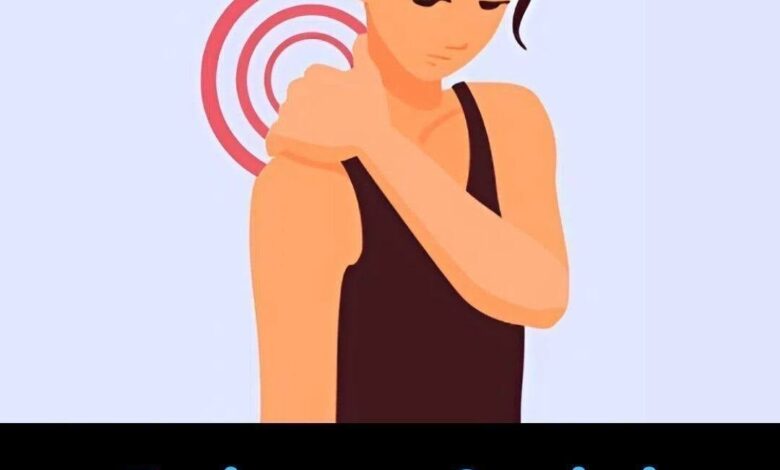
A mini stroke, medically called a transient ischemic attack (TIA), is often misunderstood because its symptoms can vanish as quickly as they appear. For seniors and their families, this temporary nature can create a false sense of security. When weakness fades, speech returns, or vision clears, it may seem like everything is fine. But a mini stroke is a serious warning: it signals that blood flow to the brain was temporarily interrupted and that a major stroke could follow at any time. Research shows the risk of a full stroke is highest in the days and weeks after a TIA, making rapid recognition and response critical—especially for older adults whose brains and blood vessels are more vulnerable.
What Causes a Mini Stroke?
A mini stroke occurs when a blood clot briefly blocks an artery in the brain or when a narrowed blood vessel temporarily restricts blood flow. Unlike a full stroke, the blockage resolves on its own, preventing permanent damage. However, underlying risk factors—such as atherosclerosis, atrial fibrillation, high blood pressure, or diabetes—remain. Even short-lived symptoms indicate that the brain is at risk.
Key Warning Signs
1. Sudden weakness or numbness: One of the most common signs is weakness or loss of sensation on one side of the body. Seniors may drop objects, notice a heavy or numb arm or leg, or see an uneven smile in the mirror. Even if it lasts only minutes, it is a medical emergency.
2. Speech and language difficulties: Slurred speech, trouble forming words, or difficulty understanding others can occur during a TIA. Subtle changes, like repeating oneself or using nonsensical sentences, are red flags. Any sudden change in communication, even if temporary, requires immediate evaluation.
3. Vision changes: Blurred or double vision, partial loss of vision, or a “curtain” over the eyes can occur. Because these symptoms are painless and fleeting, they are sometimes dismissed—but they are strong warning signs of a TIA.
4. Dizziness or balance problems: A mini stroke can affect the cerebellum or brainstem, leading to sudden dizziness, lightheadedness, or difficulty walking. Falls are a major risk for seniors, and sudden balance problems must be taken seriously.
5. Severe headache: While less common than in full strokes, an abrupt, intense headache—especially if unlike usual headaches—can signal a TIA. Even if it subsides quickly, it warrants urgent medical attention.
Why Immediate Action Matters
Because TIA symptoms often resolve, seniors may downplay them, and caregivers may assume the episode is harmless. This delay can be dangerous. Medical evaluation after a TIA allows doctors to identify causes, adjust medications, manage risk factors, and implement preventive strategies that significantly reduce future stroke risk.
Risk Factors
Age increases the likelihood of TIA. High blood pressure, atrial fibrillation, diabetes, high cholesterol, smoking, obesity, a sedentary lifestyle, family history, and prior strokes all contribute. While some risks cannot be changed, many are manageable with lifestyle adjustments and medical care.
Prevention and Awareness
Education is crucial. Seniors and families should know the warning signs and act immediately. The FAST acronym is a helpful guide:
- Face drooping
- Arm weakness
- Speech difficulty
- Time to call emergency services
Even if symptoms resolve, call 911 immediately. Do not wait or attempt to drive yourself. Quick action can save brain tissue and lives.
Emotional Impact and Recovery
A mini stroke can be unsettling. Seniors may feel anxious or vulnerable. Support from family and healthcare providers, along with reassurance and proactive management, can help restore confidence. Many seniors live full, active lives after a TIA when it is treated as a serious warning.
Conclusion
A mini stroke is not minor. Sudden weakness, speech changes, vision disturbances, dizziness, and severe headaches are urgent signals from the brain. Recognizing symptoms, seeking immediate care, and taking preventive steps afterward can protect independence, preserve quality of life, and prevent a far more serious stroke. Awareness and swift action are lifesaving.