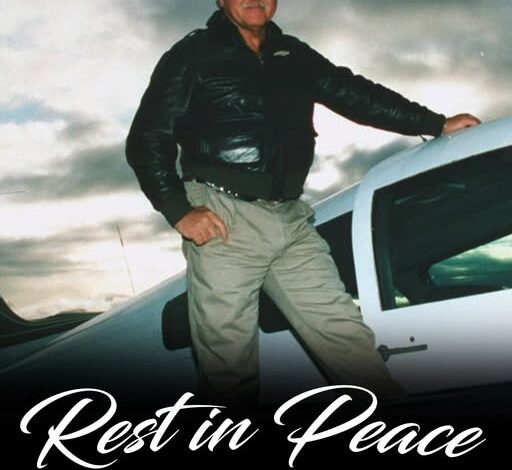
He embodied a uniquely American paradox: a highly decorated Green Beret who later challenged the very political system he once served, a man trained for unconventional warfare who would eventually walk—unarmed—into some of the most combustible domestic standoffs of the late 20th century.
In Vietnam, he operated in the shadows. As a Special Forces officer, he led reconnaissance missions behind enemy lines, where the objectives were often murky and the risks unmistakable. Those who served in such units carried a reputation for operating where maps blurred and conventional rules gave way to improvisation. For him, the mission was always framed the same way: bring Americans home.
Years later, the battleground changed.
Instead of dense jungle, he found himself navigating rural compounds and tense federal sieges. During events like Ruby Ridge in 1992, he stepped into situations charged with mistrust and armed fear, attempting to de-escalate conflicts between citizens and the government. Ruby Ridge left a lasting mark on him. The death of a young boy and the broader fallout from that confrontation became, in his view, emblematic of a country straining against itself. To supporters, he was defending constitutional principles. To critics, he was inserting himself into volatile situations with unpredictable consequences. Either way, he became part of a turbulent chapter in American history.
He later entered politics, launching a presidential bid that ultimately failed to gain broad traction. Still, it underscored how far his journey had taken him—from clandestine operations overseas to the national stage at home. He spoke often about sovereignty, civil liberties, and what he saw as federal overreach, themes that resonated strongly with some Americans and sharply divided others.
Despite the controversy that followed him, those close to him describe a man who was deeply rooted in family life. Sandy Valley, Nevada, became his anchor. For more than four decades, it was where he built a home away from the glare of headlines—a desert refuge far removed from firefights and political rallies.
In the end, there was no dramatic final chapter. No armed standoff, no last stand. According to his wife Judy, he passed quietly, surrounded by faith and family, “looking into the eyes of our Savior.” It was a peaceful close to a life that had often been anything but peaceful.
His legacy remains complex. To some, he was a patriot who never stopped fighting for what he believed the Constitution promised. To others, he was a controversial figure whose actions and rhetoric blurred lines during already fraught moments in American life. What is certain is that his story traced a path through some of the nation’s most consequential conflicts—both abroad and at home.
Soldier. Activist. Candidate. Mediator. Husband. Father of four.
In Sandy Valley’s still desert air, the man who once moved through jungles and flashpoints alike was finally laid to rest—leaving behind a life that reflected both the turbulence and the ideals of the country he served.