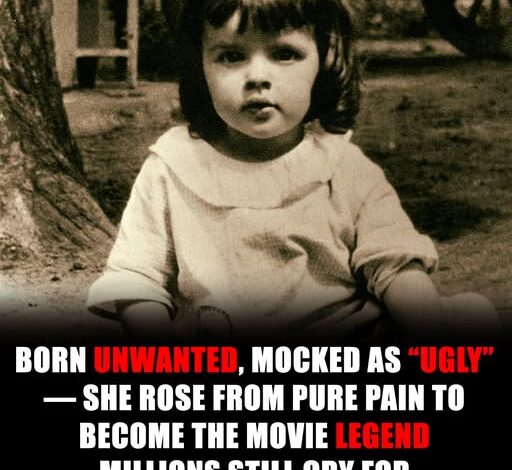
She began life as Frances Gumm, a child with a pure, open voice and a quiet longing: to be loved for who she was, not for the applause she could summon. Hollywood answered that wish—but not with warmth. Instead, it delivered contracts, relentless schedules, and a strict, often cruel regime of control. Executives scrutinized her waistline more than her well-being; they saw a marketable wonder, not a frightened little girl navigating endless rehearsals, film shoots, and sleepless nights. Her mother pushed, the studio tightened its grip, and the message was clear: love was conditional, approval was currency, and survival depended on meeting the impossible standards of the machine.
Yet, within that harsh machinery, Judy Garland forged something achingly human. Her voice carried a tremor of truth the studio could never manufacture—raw, vulnerable, alive. Every note was a testament to the cost of being everyone else’s dream while barely allowed to dream for herself. She stumbled, faltered, and tried again, striving for a sense of safety and normalcy she had never been shown.
Her story endures not just as a tale of struggle, but as a beacon: a reminder that talent and brilliance come at a price, and that no amount of fame or applause can replace the security, love, and care every child deserves. Judy Garland remains both a wound and a lighthouse, her life echoing the delicate balance between artistry and humanity, between survival and the longing to simply be seen.