Doctors reveal that if you develop this strange lump on your wrist overnight, it means that you have!

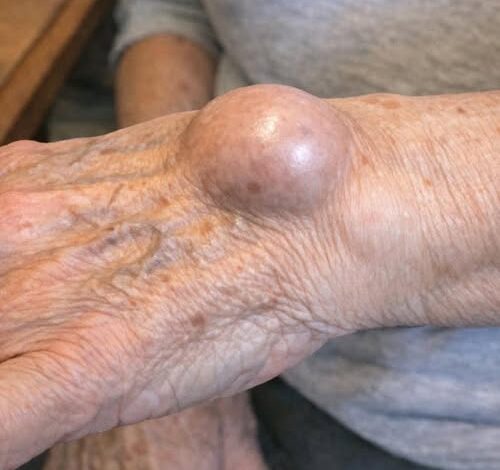
Noticing an unexpected lump on your body can be startling, particularly when it appears on a highly visible and frequently used area like the wrist. When a bump seems to appear overnight, it’s natural to feel a mix of worry and confusion. Yet medical experts stress that while any new growth should be evaluated, most sudden wrist lumps are harmless, well-understood, and easily managed with modern care. Understanding what’s happening can help transform anxiety into a clear plan of action.
The reason sudden wrist lumps cause alarm is their rapid appearance. Unlike conditions that develop gradually over months, some wrist issues can emerge in mere hours. This quick onset is often linked to fluid accumulation rather than true tissue growth. Minor leaks in a joint or tendon sheath can lead to a rapid collection of fluid, forming a noticeable protrusion almost instantly.
The most common cause is a ganglion cyst. These are benign, fluid-filled sacs that typically develop along the tendons or joints of the wrist or hand. Picture a small balloon filled with thick, clear jelly-like synovial fluid. Normally, this fluid lubricates joint movement, but when it escapes into a sac, a cyst forms. Sizes vary from tiny pea-like bumps to ones about an inch across. Ganglion cysts can be unpredictable—they may swell with activity, shrink with rest, or even disappear and reappear sporadically.
Although the precise reason for ganglion cysts isn’t fully understood, they are very common. They typically appear in adults between 20 and 40 and are more frequent in women. People who put repetitive stress on their wrists, such as gymnasts, weightlifters, or office workers, have a higher likelihood of developing them. Often, these cysts appear without a clear injury or trauma beforehand.
Diagnosing a ganglion cyst is generally simple. Doctors examine the lump’s texture and location. A common test is transillumination: shining a light through the cyst to see if it’s fluid-filled. If necessary, a needle can be used to withdraw some fluid. Finding the thick, clear gel confirms the cyst’s identity.
Still, the wrist can host other types of lumps. A lipoma, for example, is a soft, fatty mass between the skin and muscle layer. Bone spurs feel hard and immovable, often linked to arthritis. Autoimmune conditions may cause rheumatoid nodules. Differentiating these is important for proper care.
Knowing when to seek urgent attention is crucial. Most lumps are harmless, but if you notice redness, warmth, fever, numbness, tingling, or difficulty moving your hand, it’s time to get immediate medical help. Any sudden loss of grip or function is also a red flag.
Treatment approaches have evolved. Folk remedies like smashing cysts with a heavy book—once known as “Bible bumps”—are now strongly discouraged. Not only can this injure bones and skin, but the cyst often returns because the root isn’t removed.
Today, doctors often recommend “watchful waiting” if the cyst isn’t painful or interfering with movement. For discomfort, aspiration (draining the fluid with a needle) can provide temporary relief, though recurrence rates are high. Surgical removal is the most definitive solution, involving excising the cyst and its stalk in a minor outpatient procedure. Even then, there’s a small chance of recurrence, but it’s the most effective long-term fix.
At home, wearing a wrist splint can help reduce movement that pumps fluid into the cyst. Over-the-counter anti-inflammatories and ice packs may also ease soreness or swelling.
For anyone caring for a family member, such as an elderly grandmother, communication with healthcare providers is essential. Ask clear questions: Is it fluid-filled? Could it affect nerves? What are the pros and cons of leaving it alone versus draining or removing it?
In today’s medical landscape, knowledge is the best defense against fear. Whether the news involves public figures like Bruce Willis or personal health surprises like a wrist lump, understanding the situation allows calm, informed decisions. Most sudden wrist lumps are far from alarming—they often just signal that a joint needs attention, rest, and expert care. With awareness of ganglion cysts and other common wrist growths, you can approach these changes confidently and rationally.