The strikes on Iran have ripped open a half-century of unresolved tension and historical trauma, exposing wounds that have never fully healed. Decades of hostage crises, proxy wars, ideological battles, nuclear standoffs, and repeated cycles of conflict replay in the collective memory, and each new strike reverberates against this fraught backdrop. In the corridors of power in Washington, the language surrounding the operation is carefully measured, echoing phrases that have become standard in moments of military escalation: “righteous mission,” “ultimate sacrifice,” “exhaustive diplomacy,” “strategic necessity.” These terms are repeated in press briefings, congressional statements, and official communications as a way of framing the intervention in a narrative of moral authority and national security. Yet in the regions where the bombs fall and the missiles land, that language is abstract and almost meaningless; the reality is immediate, visceral, and unflinching. Streets are flattened, homes reduced to rubble, and lives are extinguished in moments that bear no witness to political justification. Grief does not consider which flag flies overhead or which official signed the orders — it lands with equal force on every family touched by loss.
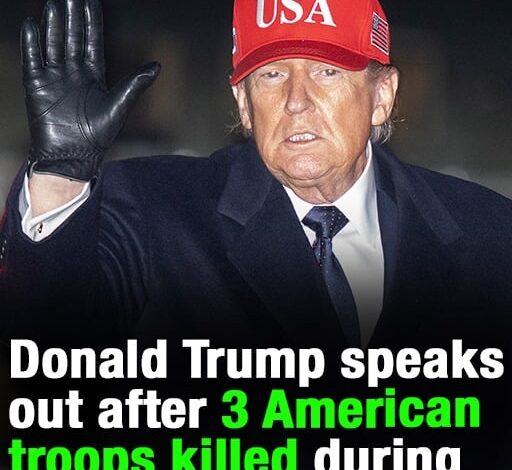
For the families of the three American service members killed during these operations, official statements from the White House provide scant comfort. President Trump’s repeated promise of “vengeance” and warnings of additional casualties in the coming days offer little solace to those grappling with the sudden and permanent absence of loved ones. Each family’s loss is intensely personal, compounded by the knowledge that the circumstances leading to the deaths were entwined with decisions made far from home. For parents, spouses, and children, the news brings a private agony that public ceremonies, medals, or speeches cannot assuage. Every photograph, every recollection of daily life, every shared future is now overlaid with absence, and no political framing can reverse that reality.
Across Iran, the human toll of the strikes is equally stark and public. Funerals for hundreds of civilians unfold beneath skies still haunted by the roar of jets and the echo of explosions. Streets once filled with ordinary life are transformed into processions of mourning, where grief is both personal and collective. The wails of mothers, siblings, and children punctuate a cityscape scarred by violence, creating a tapestry of sorrow that cannot be fully captured in news headlines. Markets, schools, and neighborhoods bear the shadow of loss, and the rhythm of daily life is forever altered. In these spaces, the impact of foreign military action is not a statistic or talking point — it is tangible, lived, and devastating.
Supporters of the strikes frame these actions as demonstrations of strength, necessary to deter further aggression and safeguard national interests. They point to intelligence reports, strategic objectives, and historical patterns to justify the decision as a preemptive measure, essential to maintaining regional stability and protecting American lives abroad. In this framing, each military engagement is a calculated step in the preservation of a broader geopolitical order, with risks weighed against anticipated security gains.
Critics, however, see the intervention differently. They argue that the strikes risk dragging both nations into a new and potentially protracted conflict, a generational war that could extend far beyond the initial targets. They highlight the historical lessons of previous engagements — the unintended consequences, the escalation cycles, the blowback that has shaped the Middle East for decades — cautioning that tactical victories may come at the cost of strategic disaster. For them, the rhetoric of necessity cannot obscure the uncertainty, the civilian suffering, and the diplomatic consequences that inevitably follow.
The political and strategic calculus exists alongside a starkly human dimension. Soldiers, families, and civilians alike are bound together by the immediate consequences of the conflict. In barracks, homes, and hospitals, grief is raw and unmediated by ideology. In the days following the strikes, communities on both sides confront a mixture of anger, fear, sorrow, and disbelief. Every report of casualties, every photograph of mourning, every account of injury or displacement contributes to a deeper, cumulative trauma that will persist long after the headlines fade.
Beyond the immediate human toll, these strikes raise broader questions about the nature of modern warfare, the responsibilities of leadership, and the ethical calculus of preemptive action. How much risk is acceptable when lives hang in the balance? To what extent should national security imperatives override the lived realities of ordinary people caught in the crossfire? How will history judge the decision-makers who authorized these operations? While answers are far from simple, the consequences are undeniable: entire communities are reshaped, families are fractured, and the psychological scars of war become part of the collective memory.
Ultimately, the strikes on Iran illustrate the stark contrast between political rhetoric and human experience. While policymakers debate strategy, morality, and deterrence, the immediate reality is one of suffering and loss, felt in homes, hospitals, and streets thousands of miles away. Ordinary people — civilians, military personnel, and their families — bear the burden of decisions made in distant offices. Lives are altered in ways that cannot be quantified by statistics or framed in diplomatic terms. For the American public and the international community, the unfolding situation is a reminder that even when war is discussed in terms of security and power, its costs are measured in human hearts and human lives.
In the end, whether viewed through the lens of policy, strategy, or morality, the impact of these strikes is profound and enduring. History will assess the long-term consequences, evaluating the balance between deterrence and escalation, strength and recklessness. Meanwhile, the human toll — grief, displacement, trauma, and loss — will remain immediate and unmistakable. For those who lived, loved, and lost, the echoes of this conflict will resonate long after the political debate subsides, a somber testament to the price of war and the fragility of peace.