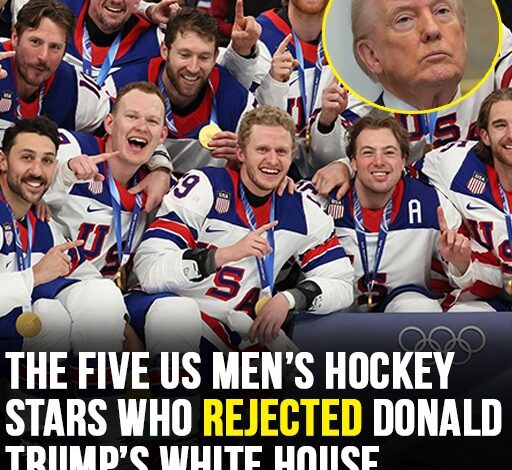
Speculation surrounding the five absences has become a tangled web, sitting at the crossroads of professional obligation, personal principle, and logistical reality. On the surface, the explanation seems straightforward: the NHL season is notoriously grueling, a relentless grind that stretches over months of travel, high-intensity games, and minimal recovery time. For elite athletes, each decision carries weight—affecting performance, contract negotiations, and long-term career sustainability. Players like Kyle Connor publicly framed their choice as a professional one, emphasizing rest, recovery, and preparation over a whirlwind cross‑border trip during a crucial stretch of the schedule. For many observers, that alone is a credible and sufficient reason. High-performance sports do not forgive fatigue, and elite players must make calculated decisions about when to step back in order to ensure peak performance when it counts most.
Yet when timing, politics, and context are considered, the situation grows far more complex. The absences did not occur in a vacuum. They came at a moment when the world was watching closely: a period marked by heightened political polarization, divisive public policy debates, and intensified scrutiny of athletes as cultural figures. Donald Trump’s polarizing presidency, combined with high-profile immigration crackdowns in Minnesota and other states, created an environment in which every public appearance, every roster decision, and every travel choice could be interpreted as a political statement, whether intended or not. In this landscape, the athletes’ absences may have been as much about self-preservation and ethical positioning as about physical readiness.
The women’s team’s well-publicized decision to skip the event added another layer to the narrative. Their absence, interpreted by many as an act of protest or conscientious objection, amplified attention on those who did attend—or who chose not to. For the five players in question, including Connor, remaining publicly silent may have been a deliberate strategy: a quiet act of integrity that balanced personal values with professional responsibility. Speaking openly about moral objections could have risked media firestorms, fan backlash, or even contractual consequences, especially in leagues and sponsorship environments where neutrality is often expected. Their silence, then, becomes meaningful in itself—a subtle communication of values without confrontation.
Beyond politics and principle, logistical considerations cannot be discounted. International travel for a midseason event carries its own risks: disrupted sleep cycles, exposure to illness, and time zone fatigue can compromise performance upon return. Athletes are acutely aware of the physical and mental toll, and decisions about attending off-season or mid-season events are rarely made lightly. In combination with the broader political climate, these practical factors create a perfect storm in which abstention might be both a rational and ethically resonant choice.
Fans, analysts, and commentators have debated the absences vigorously, reading between the lines for hidden signals. Some have speculated that these players were quietly attempting to shield themselves from being instrumentalized for political messaging, while still fulfilling their obligations to their teams and leagues. Others suggest the decision may have been influenced by a mix of personal convictions, team strategies, and behind-the-scenes advice from coaches or agents. The intersection of politics, personal ethics, and professional duty has made this a particularly challenging episode to parse, with no statement likely to satisfy every observer.
Ultimately, the five absences illustrate the nuanced calculus that professional athletes often must navigate: a balancing act between performance imperatives, personal beliefs, and public perception. Their choices remind us that elite sports are not just contests of skill and stamina—they are also arenas in which morality, politics, and identity intersect. Silence, in this case, may have been the most powerful statement: a way to honor personal principles, protect career longevity, and allow fans and the public to draw their own conclusions about what their absence truly represented. It is a quiet, strategic form of resistance in an era when every action—or inaction—can be scrutinized under a microscope.