If You Sleep With Socks On Every Night, Science Says Something Surprisingly Powerful Is Happening Inside Your Body That Affects Your Brain, Circulation, Hormones, Sleep Quality, and Even How Fast You Fall Asleep Without You Ever Realizing It

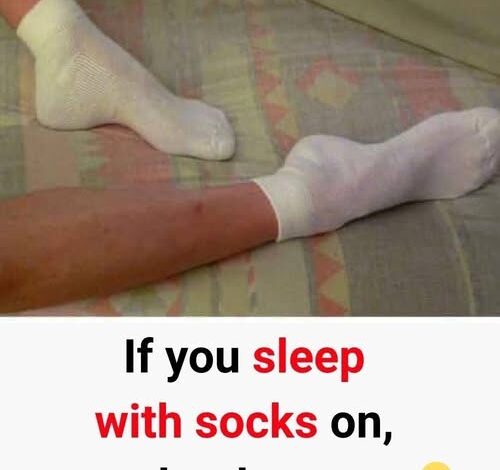
Sleeping with socks is one of those bedtime habits people either swear by or avoid completely. For some, it feels comforting and cozy; for others, restrictive or unnecessary. While often dismissed as a quirk or simply a solution for cold feet, science shows that this small choice can actually influence how quickly you fall asleep, how deeply you rest, and how refreshed you feel in the morning.
Why Feet Matter for Sleep
Falling asleep isn’t just a brain process—it’s a whole-body event, and temperature regulation plays a central role. One of the strongest signals your body uses to initiate sleep is a drop in core body temperature. As bedtime approaches, your body naturally cools itself, signaling your brain that it’s time to rest.
Your feet play a surprising role in this process. They have specialized blood vessels that act like radiators. When these vessels dilate—a process called distal vasodilation—heat escapes more efficiently. Wearing socks can actually speed up this process.
How Socks Help You Fall Asleep Faster
It may seem counterintuitive: warmer feet helping your body cool down. In reality, warming the feet encourages blood vessels to open, which allows core heat to move outward and escape. The result is a faster drop in core body temperature, which signals the brain that sleep is ready to begin.
Studies show that people wearing socks often fall asleep more quickly than those with bare feet. This is particularly helpful for those struggling with insomnia or restless nights.
Socks, Melatonin, and Sleep Hormones
Melatonin, the hormone that regulates sleep, rises as evening light fades and body temperature drops. By helping your body cool more efficiently, warm feet may indirectly support melatonin production, making the transition to sleep smoother.
This effect is especially valuable for older adults, whose melatonin levels naturally decline. A simple habit like wearing socks can reinforce the body’s sleep cues without the need for medication.
The Problem With Cold Feet
Cold feet may seem minor, but they can subtly keep your nervous system alert. The body responds to cold extremities by conserving heat, increasing tension, and activating low-level stress responses. Wearing socks removes this distraction, allowing relaxation to deepen.
Circulation and Nighttime Comfort
People with circulation issues—such as those caused by age, diabetes, or Raynaud’s phenomenon—may find nighttime warmth particularly beneficial. Socks help improve blood flow, reducing numbness, tingling, or discomfort that can disrupt sleep. Loose, breathable socks work best; tight or restrictive socks may impair circulation.
Fewer Awakenings, Deeper Sleep
Maintaining a stable body temperature helps prevent micro-awakenings that fragment sleep. Socks help regulate foot temperature, supporting uninterrupted rest, particularly in cooler environments or during seasonal changes.
Older Adults and Sleep Quality
Temperature regulation becomes less efficient with age, making sleep more fragile. Socks offer a simple, non-invasive way to improve rest without heavy blankets, reducing cold sensitivity and night awakenings.
REM Sleep and Overall Sleep Quality
While direct research on socks and REM sleep is limited, uninterrupted sleep contributes to longer REM cycles, which are critical for memory, emotional processing, and cognitive function. By supporting overall sleep continuity, socks may indirectly enhance REM sleep.
The Psychological Factor
Socks can also provide a comforting sensory signal. For many, warm feet create a sense of safety and coziness, signaling the brain that it’s time to rest—similar to the effect of weighted blankets.
When Socks May Not Help
Some people naturally run warm, and wearing socks could lead to overheating. Breathable materials like cotton, bamboo, or wool blends are best. If socks make you sweat or feel uncomfortable, it’s better to sleep barefoot.
Sleep Hygiene and Warm Feet
Wearing socks fits into a larger sleep hygiene picture: keeping the room cool, dimming lights, and limiting screen time. Many sleep experts recommend a cool room with warm extremities, allowing the core temperature to drop while the body stays comfortable—a perfect setup for rest.
A Habit With Historical Roots
Foot coverings during sleep have been common for centuries in colder climates. Modern heating made them optional, but the physiology remains the same: heat redistribution supports better sleep.
Small Changes, Big Impact
Wearing socks may seem trivial, but sleep relies on subtle cues. For those struggling to fall asleep or stay asleep, trying socks is a low-effort, low-risk strategy that can make a real difference.
Final Thought
If socks help you rest better, science confirms you’re on the right track. If you haven’t tried it, they may be worth experimenting with—especially if cold feet or restless nights are familiar.
Sleep with socks isn’t magic.
It’s biology quietly at work, helping your body relax and restore itself.