As an animal caregiver, you have an important role in feeding your pets, protecting their health, and understanding their behavior. Communicating with animals isn’t just about teaching commands — it’s about recognizing how your pet expresses curiosity, affection, stress, and excitement. By understanding their natural instincts, you build a stronger bond based on trust and patience.
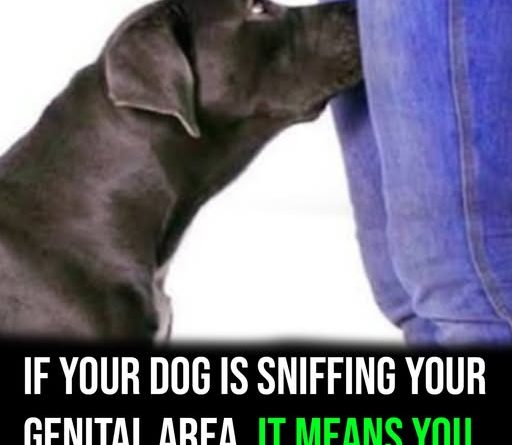
One behavior that often puzzles people is when a dog sniffs someone’s private area. While common, not everyone understands why it happens. According to Master Bowie, sniffing is one of the primary ways dogs gather information and greet others. Dogs experience the world through scent far more than humans do, and their noses can detect details we cannot even imagine.
Humans have sweat glands called apocrine glands that release pheromones — chemical signals that convey information about age, sex, emotional state, and even health. These glands are concentrated in areas such as the armpits and the genital region. Since dogs can’t easily reach underarms, they naturally gravitate toward the crotch, where scents are strongest.
For dogs, this behavior isn’t rude or inappropriate — it’s instinctive. It’s their way of learning about someone. Dogs rely on scent as humans rely on words, facial expressions, and introductions. To a dog, sniffing is like shaking hands, hearing a name, and asking polite questions all at once.
Your dog isn’t trying to embarrass anyone. They are following natural greeting habits. However, it’s understandable that some people may feel uncomfortable. To redirect the behavior, gentle training works best. Asking your dog to sit or stay when approaching someone, and rewarding calm behavior with praise or treats, teaches them more polite ways to greet.
It’s important not to scold or punish your dog for sniffing. Harsh reactions can create fear or confusion because the behavior isn’t “bad” in a dog’s mind. Instead, guide them kindly and consistently. Dogs respond best to routine, patience, and positive reinforcement, which builds confidence and reduces pushiness.
If sniffing becomes excessive or suddenly increases alongside changes in appetite, sleep, mood, or bathroom habits, consult a veterinarian or professional trainer. Unusual behavior can sometimes be linked to stress, hormonal changes, or medical issues. Paying attention to patterns ensures your dog stays healthy and comfortable.
Scent is one of the most powerful tools in a dog’s world. Their sense of smell is far more sensitive than ours, and every person carries a unique “story” that dogs can read instantly. What feels awkward to humans is normal communication to them.
By learning more about canine behavior, you strengthen your relationship with your pet and create a respectful understanding between the human and dog worlds. Dogs thrive when they feel supported, guided, and loved. At the heart of it all, your dog is simply trying to connect — sniffing, even in unusual places, is just one more way of saying hello.