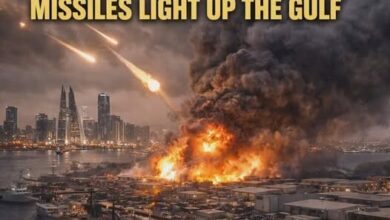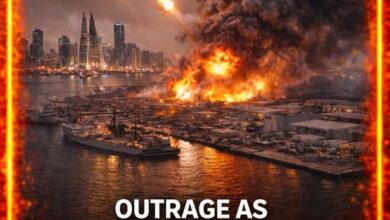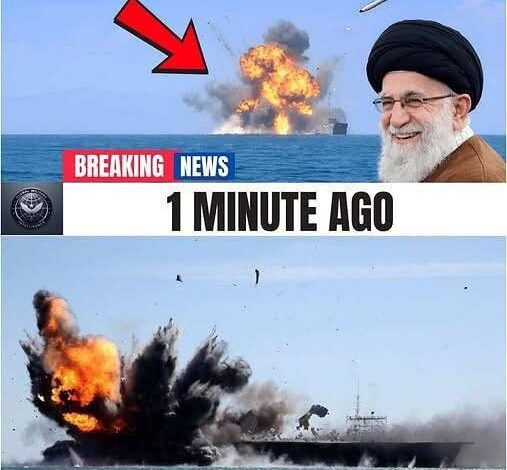
At 2:31 p.m., the calm over the Strait of Hormuz shattered. Iranian anti-ship missiles lifted from the coast in rapid succession, carving bright contrails across the sky as they raced toward a U.S. carrier strike group. A dozen warheads closed fast on the flagship and her escorts. Almost instantly, the defensive web snapped tight—Aegis radars flared, SM-2 interceptors leapt from their cells, and close-in weapon systems whirred, hurling streams of tungsten into the oncoming blur of steel.
On the bridge, Captain Chen absorbed the chaos without drama. Commands were short, movements precise. Years of drills compressed into seconds as crews moved from muscle memory to necessity.
By the twelve-minute mark, the balance had shifted. Most of the attackers had been erased from the air. The few that slipped through the outer screen were confused by electronic warfare, lured off by decoys, or shredded in the final defensive ring. Not one reached the carrier.
Then the response came. From far beyond the horizon, American Tomahawks skimmed low over the sea, followed by waves of strike aircraft. Less than thirty minutes later, the coastal launch sites that had fired with such confidence were reduced to silent scars of concrete and smoke.
The exchange left no sinking ships, no burning carrier—only a stark message. The test had not exposed American weakness, but the depth of American control. In the world’s most volatile chokepoint, the flare of violence faded as quickly as it had begun, leaving behind wreckage, scorched ground, and an unmistakable truth: here, a single miscalculation doesn’t lead to a prolonged contest. It ends almost immediately.