
As of now, there is no credible reporting or official confirmation that Neil Sedaka has died. The legendary singer-songwriter, known for classics such as “Calendar Girl,” “Breaking Up Is Hard to Do,” and “Laughter in the Rain,” has not been the subject of any verified announcements from major news outlets or his official representatives.
In situations like this, especially involving high-profile public figures, it’s important to rely on confirmed statements from family members, official spokespersons, or reputable media organizations. False death reports are unfortunately common online and can spread quickly before being verified.
Neil Sedaka, born in 1939, remains one of the most enduring figures in American pop music history. His career has spanned decades, from his early days in the Brill Building era to his resurgence in the 1970s and continued performances well into later life.
If you’d like, I can provide a retrospective on his career and legacy — but at this time, there is no confirmed news of his passing.
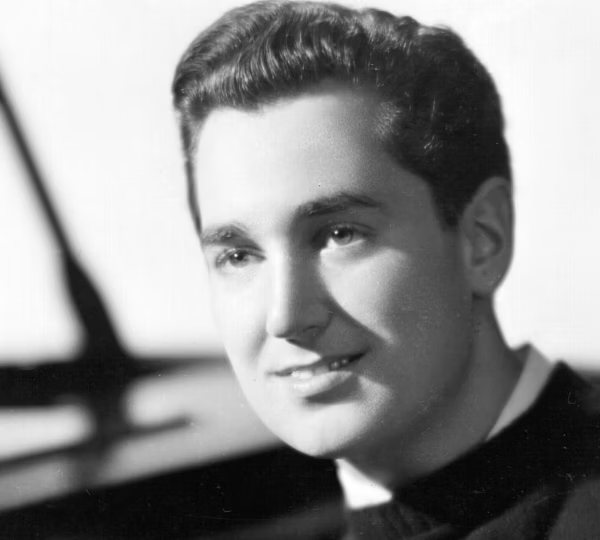
There are currently no verified reports confirming Neil Sedaka’s death. As of the latest reliable information available, no official statement from his family or major news organizations has confirmed such news.
That said, Neil Sedaka’s life and career remain worthy of reflection and celebration, given his extraordinary impact on popular music.
Early Life and Musical Foundations
Neil Sedaka was born on March 13, 1939, in Brooklyn, New York, to Eleanor (née Appel) and Mordechai “Mac” Sedaka, a taxi driver. Raised in a vibrant, culturally rich New York environment, he showed exceptional musical talent at a young age.
His parents recognized his ability early and enrolled him in piano lessons. Sedaka later earned a scholarship to the prestigious Juilliard School’s children’s division, where he studied classical piano. That rigorous training gave him a strong technical foundation and a melodic sophistication that would later distinguish his pop compositions from many of his contemporaries.
The Greenfield Partnership
As a teenager, Sedaka began collaborating with lyricist Howard Greenfield, who lived in the same apartment building. Their partnership would become one of the most successful songwriting duos of the late 1950s and early 1960s.
The pair specialized in crafting infectious, emotionally direct pop songs tailored to the teen market — yet their structure and melodic depth reflected Sedaka’s classical background.
Their first major breakthrough came in 1958 when Connie Francis recorded “Stupid Cupid.” The song became a Top 20 hit and marked Sedaka’s emergence as a serious songwriting force within the Brill Building era.
Rise to Stardom
Sedaka soon stepped into the spotlight as a performer in his own right. With hits such as:
- “Oh! Carol”
- “Calendar Girl”
- “Happy Birthday Sweet Sixteen”
- “Breaking Up Is Hard to Do”
he became one of the defining voices of early 1960s pop.
After the British Invasion reshaped the music industry, Sedaka experienced a temporary commercial decline in the U.S., but he mounted a remarkable comeback in the 1970s. Songs like:
- “Laughter in the Rain”
- “Bad Blood”
- “Love Will Keep Us Together” (co-written; later a massive hit for Captain & Tennille)
cemented his reputation as a songwriter with rare longevity.
Enduring Legacy
Across more than seven decades, Neil Sedaka’s music has bridged generations. His melodies — elegant yet accessible — and his instinct for emotional storytelling made him a lasting presence in American pop culture.
If you would like, I can continue with a full career retrospective, including his 1970s resurgence, Broadway contributions, or influence on later artists.

Rise to Stardom: The Pop Phenomenon of the Late ’50s and Early ’60s
As a recording artist, Neil Sedaka signed with RCA Records and quickly emerged as one of the most recognizable voices of his generation. Armed with a bright tenor, classical piano training, and an instinct for irresistible hooks, he became a defining figure of early rock and roll’s pop wing.
The late 1950s and early 1960s marked a golden period. Hits like “Oh! Carol” — famously inspired by his teenage relationship with future songwriting legend Carole King — established him as a teen idol with genuine songwriting credibility. The song’s playful call-and-response structure and soaring melody turned it into an international success.
He followed with a string of chart staples, including:
- “Calendar Girl”
- “Happy Birthday Sweet Sixteen”
- “Little Devil”
- “Breaking Up Is Hard to Do”
Each track, often written alongside longtime collaborator Howard Greenfield, distilled the emotional intensity of adolescence into compact, radio-ready storytelling. Sedaka had a rare ability to make heartbreak feel buoyant and longing feel universal — all wrapped in melodies that lingered long after the needle lifted.
“Breaking Up Is Hard to Do” became especially iconic. Its upbeat rhythm contrasted with its bittersweet theme, creating one of the most memorable refrains of the era. The song topped the Billboard Hot 100 in 1962 and later achieved the rare feat of becoming a hit twice — when Sedaka re-recorded it as a slower, more mature ballad in 1975, introducing it to a new generation.
A Songwriter Beyond the Spotlight
Sedaka’s influence extended well beyond his own recordings. His compositions proved remarkably adaptable, finding life across genres and decades. Artists such as:
- Frank Sinatra
- Elvis Presley
- The Monkees
- The 5th Dimension
recorded versions of his work, demonstrating the structural strength and emotional flexibility of his songwriting.
At a time when many teen idols relied on outside writers, Sedaka stood apart as a fully formed musical craftsman — composing, performing, and shaping his artistic direction. His classical foundation gave his pop songs a sophistication that subtly elevated them above many contemporaries.
By the early 1960s, Neil Sedaka was not just part of youth culture — he was helping define it. His songs captured the innocence, exuberance, and melodrama of teenage life, embedding themselves into the soundtrack of an era that still echoes through American pop history.
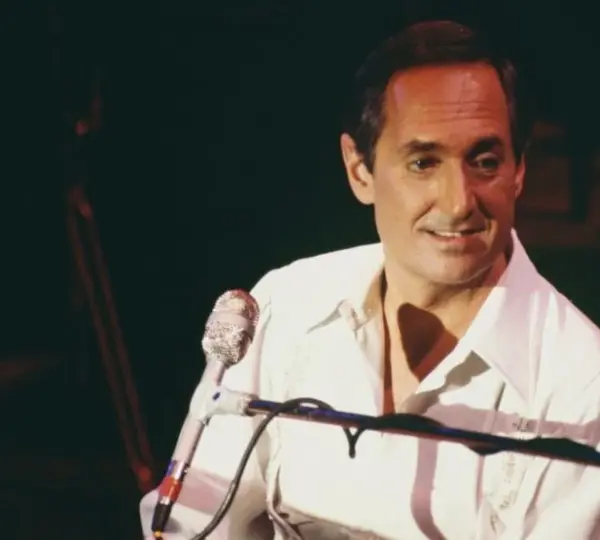
Challenges and Reinvention in the Mid-1960s
The arrival of the British Invasion in 1964 reshaped the global music industry almost overnight. Bands like The Beatles and The Rolling Stones introduced a grittier, band-driven sound that shifted radio playlists and audience expectations. For many American pop artists who had dominated the early ’60s charts, the transition was jarring.
Neil Sedaka felt that shift firsthand. As guitar-centric rock surged in popularity, his piano-anchored teen pop style began to lose commercial momentum. Singles that might once have climbed the charts stalled more quickly, and the industry’s spotlight moved elsewhere.
Yet Sedaka did not retreat from music. Instead, he recalibrated. He leaned more heavily into songwriting, collaborating with new partners and expanding his stylistic palette. One notable success from this period was “Workin’ on a Groovy Thing,” which became a hit for The 5th Dimension. His adaptability as a composer allowed his work to remain present even when his own voice was less visible on the charts.
This phase of his career reflects a quieter resilience — a willingness to evolve rather than resist change. While others faded, Sedaka kept writing, refining, and preparing for an unexpected second act.
Resurgence in the 1970s: A Second Wave of Success
Few careers in popular music include a comeback as decisive as Sedaka’s 1970s revival. In the early part of the decade, he relocated to England, where he began recording new material that blended contemporary pop sensibilities with his signature melodic craftsmanship. The move proved pivotal.
His renewed creative momentum caught the attention of Elton John, an admirer of Sedaka’s songwriting. John signed him to his Rocket Records label, giving Sedaka both visibility and industry backing at a crucial moment.
The result was Sedaka’s Back, an album that lived up to its confident title. The record reignited his presence on the U.S. charts and introduced him to a new generation of listeners. It produced major hits including:
- “Laughter in the Rain” – which reached No. 1 on the Billboard Hot 100
- “Bad Blood” – another chart-topping success
“Bad Blood,” featuring uncredited background vocals from Elton John, showcased a more contemporary production style while preserving Sedaka’s melodic clarity. Meanwhile, “Laughter in the Rain” reaffirmed his gift for emotional storytelling wrapped in polished pop.
This resurgence was not merely nostalgic; it was evolutionary. Sedaka had successfully bridged two distinct eras of popular music, proving that craftsmanship and adaptability could outlast shifting trends.
By the mid-1970s, Neil Sedaka was no longer just a former teen idol staging a comeback. He was a veteran songwriter and performer who had demonstrated rare staying power — an artist capable of reinventing himself while remaining unmistakably true to his musical identity.
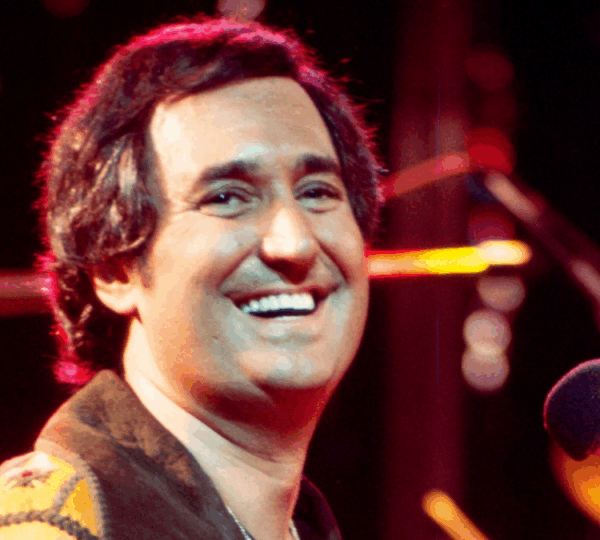
“Laughter in the Rain,” co-written with lyricist Philip Cody, marked a defining moment in Neil Sedaka’s 1970s resurgence. The song’s lush arrangement and reflective tone aligned perfectly with the soft rock sound of the era, yet it retained the melodic precision that had always set Sedaka apart. It demonstrated that he could evolve stylistically without sacrificing the core strengths that made his earlier hits endure.
During this same period, Sedaka’s songwriting once again proved its broad appeal. Captain & Tennille’s recording of “Love Will Keep Us Together,” which he co-wrote, became one of the biggest hits of 1975 and earned the Grammy Award for Record of the Year. The success reinforced his reputation not just as a performer enjoying a comeback, but as a songwriter whose work could transcend voices, arrangements, and decades.
In a rare and remarkable achievement, Sedaka revisited one of his earliest signature songs, “Breaking Up Is Hard to Do.” Originally a buoyant, upbeat hit in 1962, he re-recorded it in 1975 as a slower, more reflective ballad. The reinterpretation climbed the charts once again — a testament to the song’s structural strength and emotional versatility. Few artists have seen the same composition succeed twice in dramatically different forms, separated by more than a decade.
Later Career: Artistic Exploration and Stage Life
Rather than settling into nostalgia, Sedaka continued to explore new creative avenues in the decades that followed. Through the 1980s and 1990s, he released albums that blended fresh material with reinterpretations of his classics, offering longtime fans both familiarity and reinvention.
In 1995, he unveiled Classically Sedaka, an ambitious project that fused his pop catalog with orchestral arrangements. The album highlighted his Juilliard training and lifelong connection to classical music, bridging the worlds that had shaped him since childhood.
Sedaka also recorded Yiddish music and collaborated with his children on various projects, reflecting both his cultural heritage and his personal devotion to family. These ventures revealed an artist motivated not only by commercial success but by artistic curiosity and identity.
Onstage, he remained a dynamic presence. Sedaka toured extensively around the world, performing for audiences who spanned generations. Whether in intimate theaters or large concert halls, he maintained a reputation for warmth, humor, and technical command at the piano — qualities that kept his performances vibrant well into later life.
Through reinvention, exploration, and an unwavering commitment to melody, Neil Sedaka built a career defined not merely by longevity, but by adaptability and heart.
Even well into his 80s, Neil Sedaka remained remarkably active, continuing to perform for audiences who had followed him for decades alongside newer fans discovering his catalog for the first time. He embraced changing times, appearing in live concerts, participating in virtual performances during the pandemic, and making occasional television appearances that reaffirmed his enduring charm and musical vitality.
In 2007, Lincoln Center in New York celebrated his 50-year career with a gala tribute concert featuring a wide range of artists. The event stood as a testament not only to his longevity, but to the breadth and influence of a songwriting catalog that had shaped multiple generations of popular music.
Accolades and Legacy
Throughout his career, Sedaka received five Grammy nominations, but one of his most meaningful recognitions came in 1983 when he was inducted into the Songwriters Hall of Fame. The honor acknowledged both the volume and the lasting impact of his work — melodies and lyrics that became embedded in the fabric of American pop culture.
His songs continue to echo through radio playlists, film soundtracks, and live performances, long after their original chart runs. A star on the Hollywood Walk of Fame further cemented his place among the artists who helped define modern popular music.
Personal Life and Family
Away from the spotlight, Sedaka’s life was anchored by stability and devotion to family. In 1962, he married Leba Strassberg, beginning a partnership that endured for more than six decades. Their marriage weathered the highs of international fame and the inevitable shifts of the music industry.
Together, they raised two children. Their daughter, Dara, pursued music and famously duetted with her father on the 1980 single “Should’ve Never Let You Go.” Their son, Marc, built a successful career as a television and film writer. Family remained a central source of pride and grounding throughout Sedaka’s life.
He also leaves behind grandchildren and a worldwide audience whose lives were touched by his songs.
Death and Remembrance
Neil Sedaka passed away on February 27, 2026, at the age of 86. While specific details surrounding his passing have not been publicly disclosed, reports indicate he experienced a sudden medical emergency that led to hospitalization in Los Angeles.
Following the announcement, tributes poured in from fellow musicians, songwriters, and fans around the globe. Many reflected not only on his chart successes, but on his professionalism, generosity, and unwavering dedication to melody and craft.
From buoyant early hits like “Calendar Girl” to reflective classics such as “Laughter in the Rain,” Sedaka’s music provided joy, comfort, and nostalgia across eras.
Enduring Impact
Neil Sedaka’s legacy is defined by versatility and reinvention. He captured the innocence of early rock and roll, adapted to changing musical landscapes, and proved that strong songwriting could transcend trends.
In an industry often defined by fleeting success, Sedaka’s career stands as evidence that melody, sincerity, and adaptability endure. His songs will continue to resonate — not simply as relics of a bygone era, but as living pieces of the soundtrack to countless lives.
Rest in peace, Neil Sedaka — a craftsman of unforgettable melodies and a lasting voice in the story of popular music.