Medical reason Barron Trump can’t join US military as angry Americans ask Donald Trump to send him to Iran war

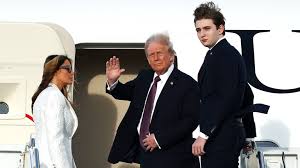
1. The #SendBarron Reaction
Following the reported U.S. and Israeli strikes on Iranian targets, social media backlash included the hashtag #SendBarron, with critics arguing that:
- If military escalation is justified, leaders’ families should be willing to serve.
- Political elites are insulated from the human costs of war.
- There is a perceived double standard between decision-makers and ordinary military families.
This rhetoric is not new in American politics. Similar sentiments surfaced:
- During the Vietnam War regarding lawmakers’ children.
- During the Iraq War under President George W. Bush.
- During debates over Afghanistan troop surges.
These reactions tend to be symbolic rather than policy-based — expressing frustration with perceived inequality in sacrifice.
2. Can a President “Send” Their Child to War?
Importantly:
- The U.S. military is an all-volunteer force.
- No individual — including a president — can directly “send” a specific person into combat.
- A 19-year-old could enlist voluntarily if medically qualified.
- A draft would require congressional authorization, which does not currently exist.
So the demand that Barron Trump be “sent” is rhetorical, not procedurally realistic.
3. Height and Military Eligibility
You referenced claims about height disqualification.
Current U.S. military general enlistment standards (which can vary slightly by branch) typically list:
- Maximum height around 80 inches (6’8″)
- Waivers may be possible depending on role and branch.
- Certain operational roles (aircraft, submarines, armored vehicles) have stricter physical limitations.
If Barron Trump is 6’9″, that could complicate eligibility for some positions, but eligibility ultimately depends on formal medical screening, not speculation.
4. The Vietnam Draft and Bone Spurs Context
Donald Trump received multiple draft deferments during the Vietnam War:
- Four student deferments.
- One medical deferment for bone spurs in 1968.
Reporting by The New York Times included interviews with the daughters of the podiatrist who diagnosed him, stating their father had said the diagnosis was provided as a favor to Trump’s father. Trump has maintained the deferment was legitimate.
This history often resurfaces during debates about military engagement.
5. Ethical and Political Framing
There are two distinct issues being mixed in public discourse:
A) Policy Question:
Was the military action against Iran justified, lawful, or strategically sound?
B) Symbolic Question:
Should leaders’ families share equal exposure to military risk?
Critics argue:
- War decisions should carry personal stakes.
- Political leaders are often shielded from consequences.
Supporters argue:
- Military policy should be judged on national security grounds, not family participation.
- Attacking a politician’s child crosses ethical lines.
6. Important Ethical Consideration
Barron Trump is a private citizen and has not held public office.
Targeting political leaders’ children — regardless of party — raises ethical concerns, especially when those children are not decision-makers.
Historically, both Republican and Democratic leaders’ children have been shielded from direct political attacks as a norm of political discourse.