Nine People Reported Dead Following Avalanche Near Lake Tahoe, Including Group of Mothers on Ski Trip

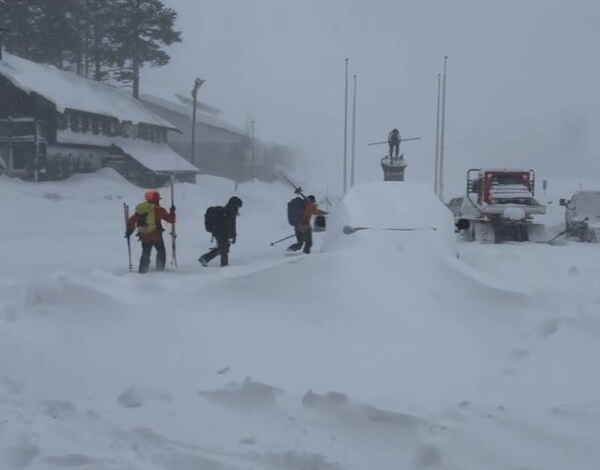
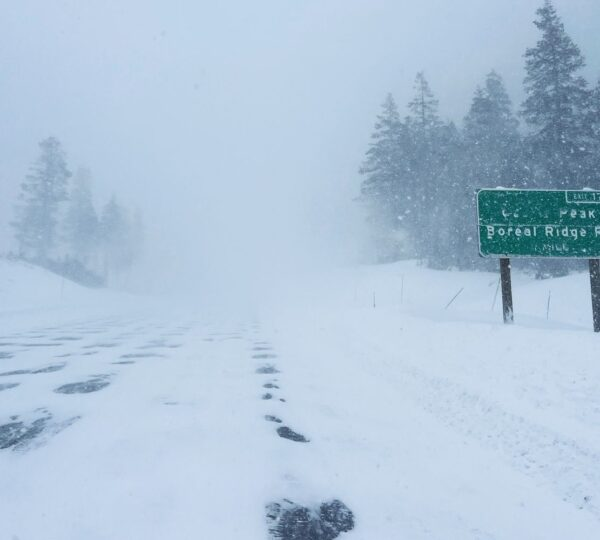
Winter in the Sierra Nevada offers a scene of stark, breathtaking beauty. Snow drapes the jagged peaks, forests sparkle under the soft sunlight, and the backcountry transforms into a vast alpine playground for experienced skiers, snowboarders, and mountaineers.
But beneath the serene white landscape lies a force both powerful and unpredictable.
Avalanches remain among the most serious threats to anyone venturing beyond groomed trails into the remote wilderness. In recent years, areas of Tahoe National Forest—including Castle Peak and the broader Lake Tahoe region—have been struck by deadly snow slides, serving as grim reminders of the mountains’ raw strength.
Though the Sierra Nevada is generally considered less prone to avalanches than other North American ranges, dangerous slides can and do occur, particularly during heavy snowfall, rapid temperature shifts, or periods of wind-loaded snow.
When an avalanche happens, the impact is immediate and profound. Beyond the physical danger, the emotional toll on families, friends, and tight-knit mountain communities can last far longer than the event itself, leaving scars that are both seen and unseen.
A Beloved Mountain Landscape
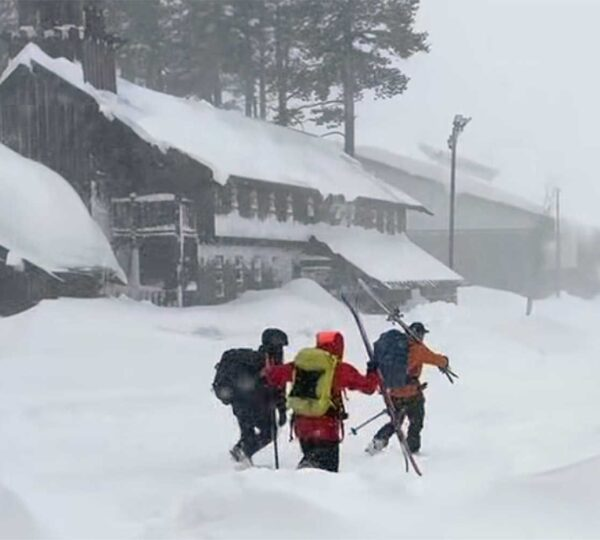
The northern Sierra Nevada, particularly areas within Tahoe National Forest, has long drawn experienced backcountry adventurers seeking challenging terrain and pristine winter scenery.
Castle Peak stands out for its open bowls, steep chutes, and dramatic ridgelines, making it a favorite among skilled skiers who crave technical descents and wide-ranging vistas. On clear winter days, the snow-covered forests and granite peaks stretch seemingly without end, offering a sense of isolation and majesty that is unique to the backcountry.
Backcountry skiing is a world apart from resort skiing. Beyond managed slopes, there are no avalanche mitigation teams conducting explosive control, no groomed runs, and no ski patrol to respond in an emergency. Skiers venturing into this terrain must rely on their own training to assess snowpack stability, interpret weather conditions, and navigate complex routes safely. Specialized equipment—such as avalanche transceivers, probes, and shovels—is essential, as is a thorough understanding of snow science and rescue procedures.
Many adventurers choose guided trips led by professional mountain guides. These excursions include detailed route planning, avalanche safety briefings, beacon checks, and ongoing evaluation of terrain conditions. Guides bring experience in risk management and rescue, helping skiers make informed decisions in the mountains.
Still, even with preparation, training, and professional guidance, experts consistently stress a sobering truth: the risks of the backcountry can be minimized, but they can never be fully eliminated.
Understanding Avalanche Conditions in California
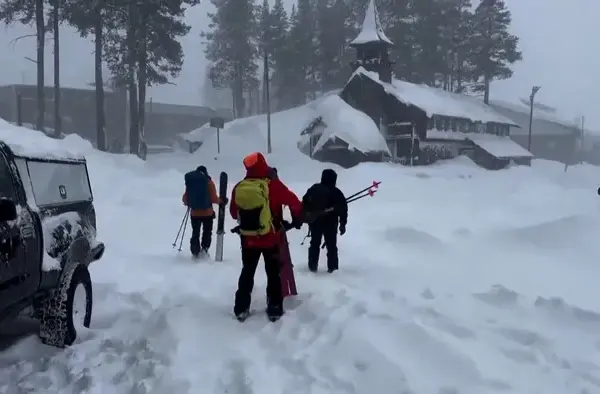
Avalanches occur when layers of snow with varying strength or cohesion fail and slide downhill. In the Sierra Nevada, winter storms can quickly create unstable snowpacks, especially when fresh snowfall accumulates atop older layers that are weakly bonded.
Wind plays a major role in snow instability. Strong gusts can transport snow across ridgelines, forming dense slabs on leeward slopes that are prone to sliding. Rapid warming following storms—such as sudden sun exposure or rising temperatures—can further weaken the snowpack, increasing avalanche risk.
Organizations like the Sierra Avalanche Center provide daily forecasts throughout the winter season, assigning danger levels on a five-tier scale, from low to extreme. These assessments combine snowpit analyses, weather data, and firsthand reports from backcountry users to guide skiers, snowboarders, and mountaineers in evaluating risk.
Although California sees fewer avalanche fatalities than states like Colorado, Utah, or Alaska, deadly incidents do occur. Often, they involve skilled or experienced backcountry travelers in remote terrain who misjudge conditions. Avalanches can move at incredible speeds—sometimes exceeding highway velocities—and carry massive volumes of snow capable of burying trees, vehicles, or groups of people.
The Critical Window for Rescue
Survival during an avalanche depends heavily on rapid intervention. The majority of victims who survive are located and rescued by companions within the first 15 minutes. After that critical period, survival rates decline sharply due to asphyxiation, emphasizing the importance of preparedness, training, and immediate action in the backcountry.
Essential Gear for Backcountry Travel
Anyone venturing into backcountry terrain should carry three critical tools for avalanche safety:
- Avalanche transceiver (beacon)
- Probe
- Shovel
Modern avalanche beacons emit radio signals that allow rescuers to locate buried individuals quickly. However, having the equipment alone is not enough—successful rescue depends on proper training, familiarity with the gear, and rapid coordination among companions.
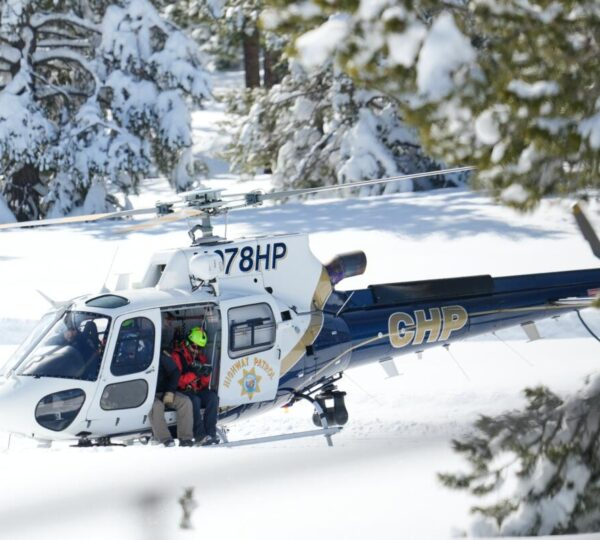
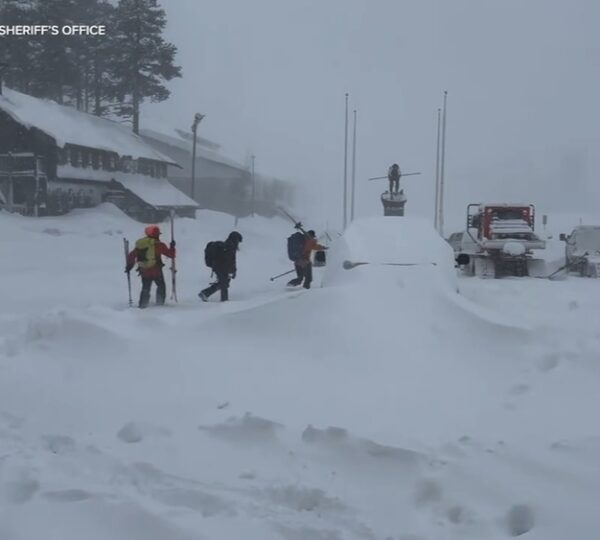
Professional search-and-rescue teams may supplement efforts with helicopters, avalanche dogs, and specialized tools, but reaching victims in remote areas can take time, particularly during ongoing storms or unstable conditions. Steep slopes, deep snow, and continuing slide risk further complicate recovery, requiring rescuers to balance urgency with their own safety to prevent additional casualties.
The Human Impact
Avalanches are far more than statistics—they are sudden and profound losses. Each incident represents parents, siblings, friends, and mentors abruptly taken from families and communities.
In mountain towns surrounding Lake Tahoe, outdoor recreation is woven into daily life. Skiing, snowshoeing, and alpine exploration are not just hobbies—they are family traditions. Children grow up learning the principles of snow safety and mountain respect from an early age, making these tragedies deeply felt across generations.
When avalanches occur, the effects resonate widely, touching schools, ski programs, faith groups, and local businesses. Resorts like Sugar Bowl Resort and nearby training academies often become focal points for community mourning and remembrance. While guided backcountry trips operate independently from resorts, strong local connections mean that the loss is shared by the entire mountain community.
Historically, Sierra Nevada communities have responded to avalanche tragedies with candlelight vigils, fundraising campaigns, and memorial gatherings—rituals that honor the victims while reinforcing the importance of safety and preparedness in the mountains.
Support for Families and First Responders
Avalanche incidents affect more than just those caught in the slide. Counselors and grief specialists often work with both families and first responders, helping them process trauma and navigate the long-term emotional aftermath of these sudden tragedies.
Experience Does Not Eliminate Risk
One of the most sobering realities of avalanche accidents is that they frequently involve highly experienced backcountry travelers. Many victims across North America hold avalanche certifications, have extensive backcountry experience, or are familiar with the terrain they traverse.
Psychologists studying risk-taking behavior in outdoor settings note that familiarity can sometimes create a false sense of security. Additionally, subtle social pressures within groups—such as the desire to complete a planned route—can encourage risky decisions even when warning signs are evident.
Avalanche educators consistently stress conservative decision-making, particularly during periods of elevated avalanche danger. Key safety principles include:
- Choosing lower-angle terrain when snowpack stability is questionable
- Avoiding travel beneath loaded slopes that could release unexpectedly
- Spacing group members during descents to reduce multiple burials
- Continually reassessing conditions, including weather and snowpack changes
Even when following these precautions, the mountains remain dynamic and unpredictable. Wind shifts, rapid temperature changes, and hidden weak layers can quickly alter snow stability.
Climate Variability and Snowpack Complexity
Research in the western United States shows that climate variability directly influences avalanche behavior. Warmer storms can deposit dense snow atop weaker layers, and rapid temperature swings—common in California winters—further increase instability.
Experts caution against oversimplifying avalanche causation. Each event results from a complex interplay of terrain, snowpack structure, weather patterns, and human decision-making. Understanding these factors is critical, but it cannot completely eliminate the inherent risks of backcountry travel.
Post-Incident Investigations
After any avalanche, detailed investigations are conducted to understand contributing factors. These inquiries not only provide clarity for affected families and communities but also help improve safety protocols, inform education, and reduce future risks.
The Role of Search and Rescue Teams
California’s search-and-rescue (SAR) teams often consist of trained volunteers who work alongside sheriff’s departments and state agencies. Their training includes:
- Avalanche response procedures
- Wilderness medicine
- Rope rescue techniques
- Navigation in remote terrain
When conditions allow, helicopter crews assist with rapid access, though heavy snow and low visibility can limit air operations. Avalanche dogs, specially trained to detect human scent beneath snow, are critical in locating victims quickly.
Responders describe avalanche missions as physically and emotionally demanding, with the urgency of time compounded by dangerous terrain. After fatalities, SAR personnel often receive counseling and psychological support to help process the trauma.
Community Strength After Tragedy
In mountain regions, strong community bonds help residents cope with the aftermath of avalanches. Shared outdoor experiences create deep connections among backcountry enthusiasts.
Local organizations frequently organize:
- Memorial funds for affected families
- Meal delivery, childcare, and logistical support from neighbors
- Reflection gatherings and forums led by faith leaders or mental health professionals
These acts of compassion cannot erase grief but provide stability and reassurance during periods of shock and loss.
Remembering Lives Beyond the Event
Media and public coverage should honor the full humanity of those lost. Backcountry skiers and mountaineers pursue their passions with:
- Respect for nature
- A love of physical challenge
- Commitment to friends, family, and community
Many are parents teaching resilience, professionals balancing demanding careers, and volunteers giving back to their communities. The mountains are places of clarity, renewal, and joy, not recklessness, and remembrance should reflect that.
A Continuing Commitment to Safety
Avalanche educators across the West continue to expand training and preparedness programs, including:
- Snowpack assessment techniques
- Terrain identification
- Companion rescue drills
- Structured decision-making frameworks
Technological improvements—airbag backpacks, digital beacons, and advanced forecasting tools—add layers of protection, but experts stress that equipment cannot replace sound judgment.
Moving Forward With Humility
The Sierra Nevada will always draw adventurers seeking beauty and challenge. Yet each avalanche season reinforces a key lesson: humility is essential.
- Respect forecasts
- Turn back if conditions are unsafe
- Prioritize safety over objectives
Even highly experienced backcountry travelers face uncertainty, and caution remains the most reliable tool for survival.
A Final Reflection
Avalanche tragedies highlight the delicate balance between human aspiration and natural forces. They bring communities together in both grief and gratitude—for shared memories, outdoor experiences, and the resilience born of hardship.
For families who have lost loved ones in the Sierra Nevada, words offer limited comfort. Yet the broader mountain community continues to stand beside them, honoring lives through support, remembrance, and renewed commitment to safety.
The snow will fall again in Tahoe National Forest. Skiers and mountaineers will return, guided by experience, caution, and respect, carrying the memory of those who loved these mountains most into every high ridge and backcountry bowl.