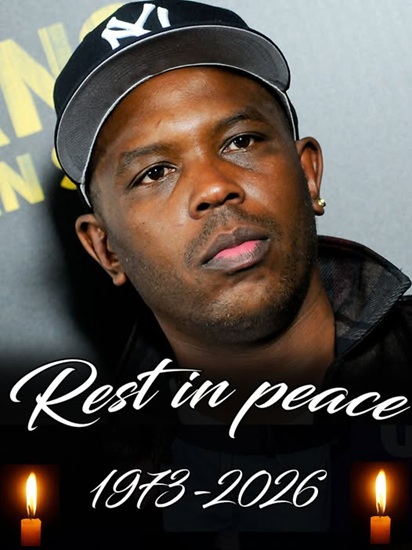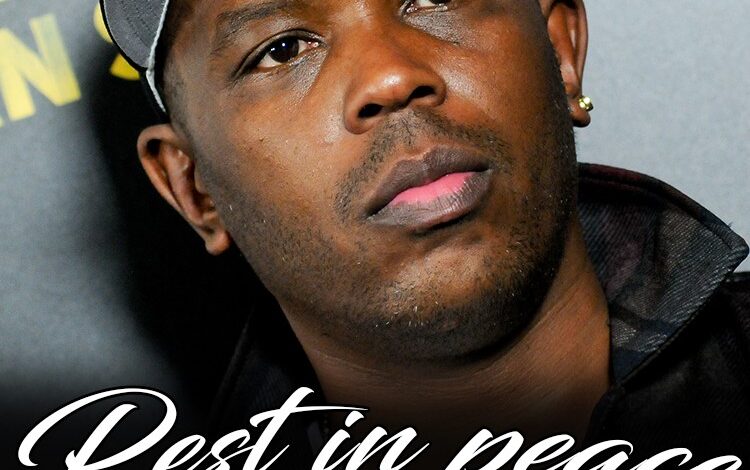
The global hip-hop community is grieving the loss of Oliver “Power” Grant, a pivotal architect behind one of the genre’s most influential collectives. Grant—an entrepreneur, producer, and founding force behind Wu‑Tang Clan—has died at the age of 52, the group announced on social media.
According to the statement, Grant passed away on Monday, February 23, 2026. No official cause of death has been released.
His death arrives at a moment of deep historical significance: Wu-Tang Clan was recently named a nominee for the 2026 class of the Rock & Roll Hall of Fame, an honor that underscores the collective’s enduring influence on music and culture. For many fans and artists, the timing feels both symbolic and heartbreaking.
Roots and the Birth of a Movement
Oliver Grant was born on November 3, 1973, in Jamaica before relocating to Staten Island, New York, where he was raised in the Park Hill Projects. It was there that he formed enduring bonds with the artists who would later become the core of Wu-Tang Clan, including RZA, GZA, Method Man, Raekwon, Inspectah Deck, U‑God, and Masta Killa.
Though Grant never stepped into the spotlight as a performer, his presence was foundational. His nickname, “Power,” was bestowed during an early chess match among friends—a fitting moniker for someone whose influence would shape the group’s direction, strategy, and longevity.
The Architect Behind the Sound
From the outset, Grant used his business instincts and financial backing to help turn raw talent into recorded music. He was instrumental in funding studio sessions and organizing early logistics that allowed the group to focus on creation.
Grant is credited as an executive producer on Wu-Tang Clan’s landmark debut, Enter the Wu‑Tang (36 Chambers), released in 1993. The album is widely regarded as one of the most transformative releases in hip-hop history, reshaping the genre’s sound, aesthetics, and approach to collective identity.
Equally important was Grant’s role in shaping the group’s business philosophy. He advocated for shared ownership, long-term rights, and strategic independence—principles that were uncommon in hip-hop at the time but later became a blueprint for artist empowerment.
Wu Wear and the Expansion Beyond Music
In 1995, Grant founded Wu Wear, one of the first truly successful artist-owned fashion labels in hip-hop. Built around the iconic “W” logo, the brand quickly evolved from streetwear into a global lifestyle phenomenon.
At its height, Wu Wear operated flagship stores in cities such as New York, Los Angeles, and Atlanta, while also securing nationwide department-store distribution. The brand demonstrated that hip-hop could extend far beyond music into fashion, commerce, and identity.
The label later evolved into Wu-Tang Brand in 2008. In 2017, Grant reunited with RZA to relaunch Wu Wear in partnership with Live Nation Merchandise, introducing the iconic brand to a new generation of fans.
Film, Gaming, and Cultural Reach
Grant’s creative curiosity extended into film and media. He appeared in Belly, directed by Hype Williams, as well as the 1999 film Black and White, both of which featured members of the Wu-Tang collective.
He was also involved in the group’s crossover into gaming with the PlayStation title Wu‑Tang: Shaolin Style, which translated the group’s mythology into an interactive format and expanded their reach into youth and gaming culture.
Tributes From Across Hip-Hop
Tributes poured in from artists, collaborators, and fans worldwide. Method Man shared an emotional message mourning the loss of his longtime friend, while GZA emphasized that Wu-Tang’s rise would not have been possible without Grant’s early vision and support.
Other artists echoed similar sentiments. Producers and MCs from outside the Wu-Tang circle praised Grant as a cultural pioneer who helped redefine how hip-hop artists could control their futures. His impact, many noted, extended far beyond beats and rhymes.
A Lasting Blueprint
Oliver “Power” Grant leaves behind a legacy rooted in empowerment, strategy, and foresight. Though never a rapper, his influence helped transform Wu-Tang Clan from a music group into a cultural institution.
His work laid the groundwork for modern artist entrepreneurship, inspiring generations to think beyond record deals and toward ownership, branding, and sustainability. Wu Wear alone became a model for countless artist-driven fashion ventures that followed.
The coincidence of his passing with Wu-Tang Clan’s Rock & Roll Hall of Fame nomination serves as a stark reminder of how deeply Grant’s fingerprints are embedded in the group’s history and ongoing recognition.
Remembering Oliver “Power” Grant
From Staten Island streets to global cultural impact, Oliver “Power” Grant helped shape the trajectory of hip-hop in ways that continue to resonate. While the details surrounding his passing remain private, the collective response from the music world makes one truth unmistakable: his influence is permanent.
His legacy lives on in the music, the fashion, the business models, and the mindset he helped create—proof that power does not always stand at the microphone.