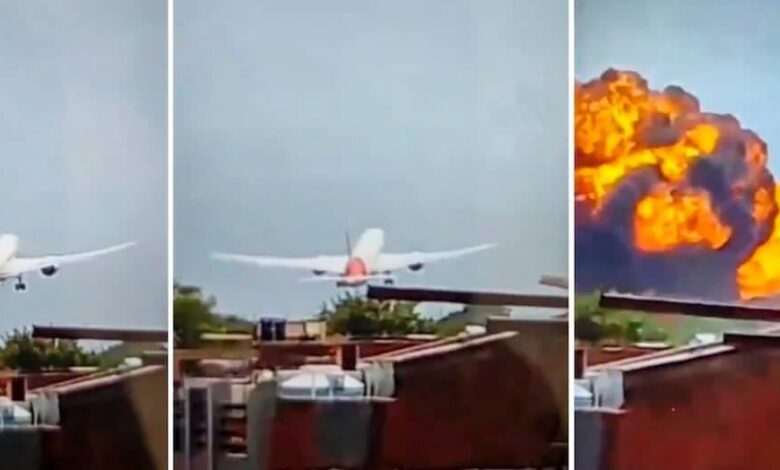
In the digital age, information travels at the speed of thought—but that velocity often comes at the cost of accuracy. On February 26, 2026, a wave of alarm swept across social media, news aggregators, and messaging apps: a commercial aircraft carrying more than 244 people had reportedly crashed. Posts, marked by urgent block letters, frantic emojis, and click-through prompts, were designed to exploit our instinctive fear of catastrophe. But as the hours passed, this story became less a report of tragedy and more a case study in modern misinformation and the psychological toll of unverified breaking news.
Aviation disasters resonate deeply in the collective consciousness. Numbers like “244” don’t represent statistics—they represent lives: parents, children, professionals, travelers. That immediacy triggers an emotional “hijack,” prompting users to share before confirming. Engagement-baiters rely on precisely this instinct.
In the early moments of a suspected crash, official information is scarce, and speculation fills the void. Viral claims often omit key details—the airline, flight number, or location—making verification nearly impossible. Experts note that genuine large-scale aviation incidents are handled with coordinated precision by national safety boards like the NTSB, along with established media outlets. Facts are verified first; speed is secondary. When these pillars are absent, viral headlines are almost always hollow.
Misinformation often amplifies fear through “recycled tragedy”—using images from past wrecks to give false immediacy. A high-resolution photo of smoldering fuselage attached to a fabricated headline bypasses critical thinking, making claims like “244 onboard” feel real. This tactic is ethically troubling, retraumatizing survivors and families while spreading unnecessary panic.
Media literacy in 2026 is as crucial as basic literacy once was. Responsible consumption requires corroboration: if a plane truly crashes, it will dominate every reputable news outlet, accompanied by official statements. Verification demands a pause—a deep breath before hitting “share”—to distinguish credible sources from clickbait.
The human cost of unverified aviation news is profound. Thousands check flight trackers in fear, contacting loved ones and overburdening airline and emergency systems. Rumors can lead to false passenger lists, baseless theories, and undue stress on investigators. In prior cases, such as the disappearance of Nancy Guthrie or health updates on Bruce Willis, public demand for instant information has trampled privacy and complicated official processes.
Patience is the antidote to panic. Allowing professionals to cross-reference manifests, satellite data, and official reports ensures that the truth—painful or not—reaches the public. Speculation only muddies the waters, slowing relief and complicating grief for those affected.
As rumors of a 244-passenger crash circulate, the best response is cautious skepticism. Relying on verified sources protects both individuals and communities from the corrosive effects of misinformation. Aviation remains among the safest modes of travel, and no social media leak can replicate the rigor of official investigations. In a world of noise, a commitment to facts is the most powerful safeguard.
Seeking truth is not about “being right”; it is about respect—for victims, families, and reality itself. Until authorities confirm an incident, the most responsible action is to stay vigilant, remain empathetic, and resist the urge to hit “share.”