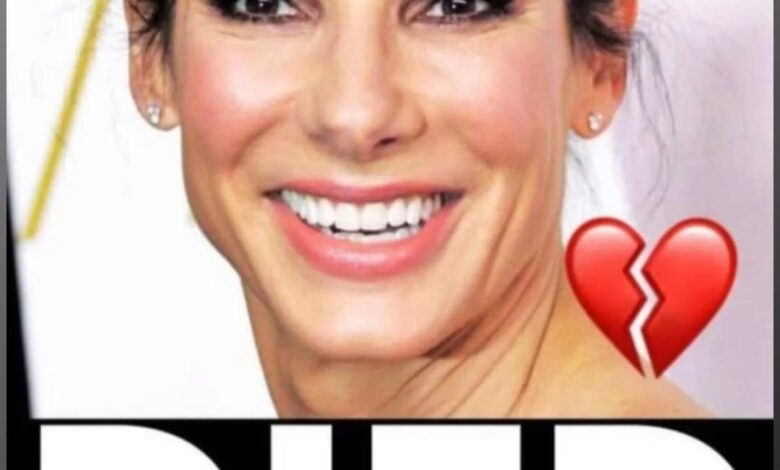
Sandra Bullock has long been regarded as one of Hollywood’s most enduring and composed stars—an Academy Award–winning actress whose talent, professionalism, and dedication to privacy have defined a career spanning decades. On screen, she has portrayed resilience and warmth in unforgettable roles, from The Blind Side to Gravity and The Proposal.
Off screen, however, Bullock has faced deeply personal challenges with the same quiet strength that has made her a beloved figure in entertainment—choosing to navigate hardship largely out of the public eye.
One of the most difficult chapters of her life unfolded away from cameras and headlines: the illness and eventual passing of her longtime partner, Bryan Randall.
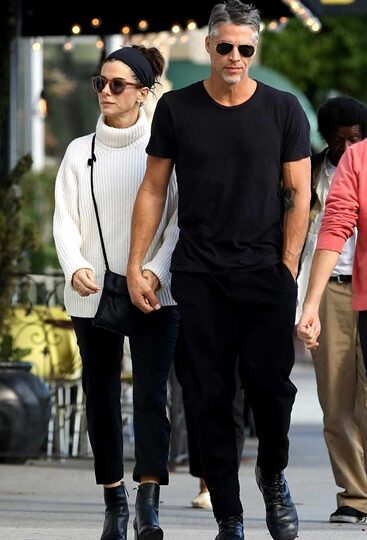
For years, Sandra Bullock has been known for maintaining clear boundaries between her public career and her private life. Unlike many celebrities, she has consistently avoided oversharing personal matters, particularly those involving her family.
This commitment to discretion became even more pronounced when Bryan Randall was diagnosed with ALS (amyotrophic lateral sclerosis), a progressive neurodegenerative disease that affects nerve cells in the brain and spinal cord. The diagnosis remained private, known only to a small circle of family and close friends.
Bullock and Randall first connected in 2015, after he photographed her son’s birthday party. Over time, Randall—a professional photographer and former model based in Los Angeles—became an integral part of Bullock’s family life.
Though they rarely sought the media spotlight together, they were occasionally seen at select events, including film premieres and red-carpet appearances. Friends and insiders frequently described their relationship as steady, grounded, and deeply committed—a quiet partnership built on trust, care, and shared moments away from public view.
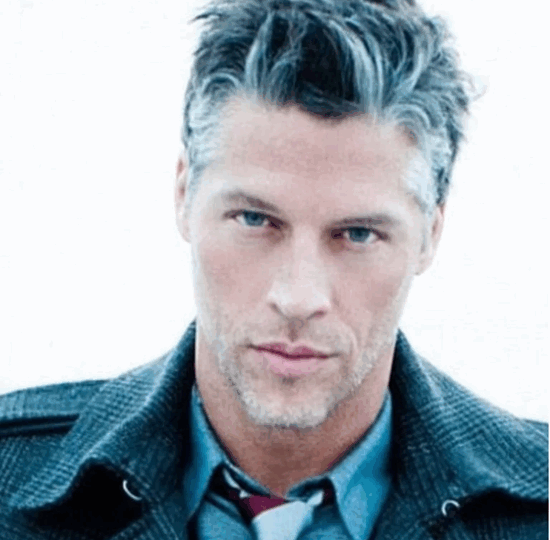
Bryan Randall reportedly battled ALS for approximately three years before his passing. ALS, also known as Lou Gehrig’s disease, progressively impairs muscle control, leading to increasing physical limitations over time. The condition demands not only intensive medical care but also immense emotional resilience from both the individual diagnosed and their loved ones.
In August 2023, Randall’s family released statements confirming that he had chosen to keep his illness private. They announced that he passed away peacefully on August 5, 2023, at the age of 57.
Throughout his illness, Bullock is widely reported to have been devoted to his care while continuing to prioritize her children and close family life. In interviews before his passing, she often emphasized the importance of being fully present for her loved ones and focusing on what truly matters.
In 2022, she shared that she would be stepping back from acting for a time to spend more moments with her children. While she did not publicly tie that decision to Randall’s health at the time, the timeline later led many observers to recognize that her family responsibilities—including supporting Randall—were likely a central factor in her choice.
Bullock’s approach to Randall’s illness reflected her longstanding philosophy of privacy and dignity. Rather than issuing public statements or sharing updates, she chose to navigate the experience quietly and intentionally.
There were no appeals for sympathy, no media interviews about the struggle, and no dramatic disclosures. Instead, her focus remained on providing personal support, caregiving, and protecting the family’s peace during an incredibly difficult time.
When Randall’s passing was confirmed, the announcement came via a statement from his family, who requested privacy. The statement acknowledged his courageous fight with ALS and expressed gratitude for the support of medical professionals and loved ones. It also emphasized Randall’s wish to keep his journey with the illness confidential.
This request for discretion reflected the couple’s long-standing commitment to keeping their personal lives private, honoring both dignity and intimacy over public spectacle.
Following the news of Randall’s passing, tributes from friends and members of the entertainment community emphasized his character rather than his proximity to fame.
He was remembered as kind, patient, creative, and deeply devoted to his family. Those who knew him spoke of his calm demeanor and steady presence, highlighting the humanity that defined his life.
Public response was largely respectful. Fans of Sandra Bullock expressed sympathy and admiration for the grace with which she navigated both Randall’s illness and his loss. On social media, messages of condolence focused on compassion rather than intrusion, honoring the family’s privacy.
Many noted that while Bullock is widely celebrated for her professional achievements—including her Academy Award for The Blind Side and decades of box-office success—this chapter of her life revealed a more personal, quiet form of strength.
Bullock’s life before this tragedy had already included significant personal trials. In 2010, during a highly publicized period in her career, she faced the end of her marriage even as she received major professional recognition, demonstrating resilience in the face of overlapping personal and public challenges.
Even during earlier challenges, Sandra Bullock consistently prioritized her family. Following the end of her marriage, she focused on motherhood, adopting her son Louis and later her daughter Laila. Her commitment to her children has long been one of the defining priorities of her life outside of acting.
Over the years, Bullock has also been recognized for her philanthropy. She has donated millions of dollars to disaster relief efforts and supported organizations dedicated to education and community rebuilding. While she rarely publicizes her charitable contributions, verified reports confirm her financial support following events such as Hurricane Katrina and other natural disasters in the United States.
This pattern of quiet generosity mirrors the way she has handled personal hardship: without spectacle, but with substance. The loss of Bryan Randall added another deeply personal chapter to her life, while underscoring a broader truth about public figures: fame does not shield anyone from illness, grief, or loss.
Actors and entertainers, often viewed through the lens of glamour and success, experience the same vulnerabilities as anyone else. In Bullock’s case, her response to tragedy reinforced a public image built on resilience, dignity, and discretion.
It is important to note, based on publicly confirmed information, that there were no sensational circumstances surrounding Randall’s passing beyond his battle with ALS. The disease is known for its progressive and challenging nature, and families facing it often navigate complex medical, emotional, and logistical realities. By choosing privacy, Randall and Bullock avoided turning that journey into a public spectacle, reflecting a broader cultural conversation about personal boundaries and the right to manage health matters away from public scrutiny.
As of the latest confirmed reports, Bullock has continued to prioritize her children and private life. She has not made extensive public statements about Randall’s death, maintaining the same dignified silence that characterized their approach during his illness. There have been no verified reports suggesting any dramatic changes beyond her previously announced career pause and focus on family.
For long-time followers of her career, this chapter reinforces the authenticity that has often defined her appeal. From early roles in Speed to critically acclaimed performances in Gravity, Bullock has demonstrated versatility, talent, and dedication. Yet her off-screen decisions—adoption, philanthropy, and stepping back from work to focus on family—have equally shaped public perception.
Grief often unfolds quietly. It does not always manifest in public statements or dramatic gestures. Sometimes it is reflected in daily choices: spending time with loved ones, maintaining stability for children, and honoring the memory of someone through presence rather than performance. In Bullock’s case, the available facts suggest this is exactly how she has chosen to move forward.
The broader narrative is one of humanity rather than spectacle. Bryan Randall’s passing in August 2023, after a private battle with ALS, is a confirmed and documented event. Bullock’s partnership with him, their shared commitment to privacy, and her ongoing focus on family are consistent with verified public information. There is no evidence of fabricated elements in the core story: Randall was diagnosed with ALS, fought the disease for approximately three years, and died at age 57 with his family requesting privacy.
In an era when personal tragedy can easily become public consumption, their approach stands out. It reflects a belief that love and loss do not require amplification to be meaningful.
For Bullock, the next chapter remains unwritten in the public eye. What is clear is that her life—both professional and personal—has been shaped by resilience, loyalty, and a commitment to protecting what matters most. As audiences continue to appreciate her body of work, they are reminded that behind every celebrated career is a private individual navigating life’s challenges.
Sandra Bullock’s experience over the past several years is not a story of Hollywood drama, but of caregiving, partnership, and profound loss handled with dignity. And that truth—grounded in verified facts and respectful reporting—speaks louder than any headline ever could.