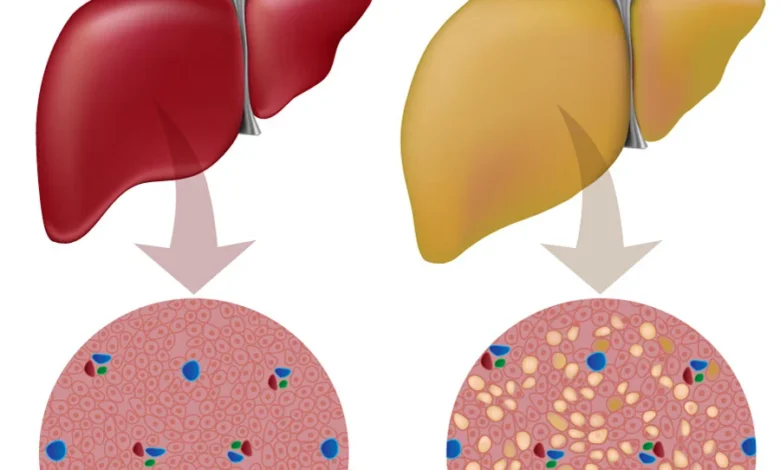
Non-alcoholic fatty liver disease (NAFLD), now often referred to as metabolic dysfunction-associated steatotic liver disease (MASLD), is a condition in which excess fat accumulates in the liver. It has become increasingly common worldwide and is closely linked to metabolic health and body weight. According to guidance from the NHS and other health organizations, the condition is frequently associated with lifestyle factors and may improve when healthier habits are adopted.
The liver plays a central role in processing nutrients, filtering toxins, and regulating metabolism. When too much fat builds up within liver cells, its ability to function efficiently can be affected over time. In many people, NAFLD develops gradually and may remain mild, but in some cases it can progress to more serious liver inflammation or scarring if left unmanaged.
One of the challenges with fatty liver disease is that symptoms are often absent. Many individuals discover they have the condition only after routine blood tests or imaging scans. When symptoms do occur, they may include persistent fatigue, a general sense of feeling unwell, or a dull discomfort in the upper right side of the abdomen beneath the ribs—where the liver is located.
Several factors increase the likelihood of developing NAFLD. Carrying excess weight, particularly around the abdomen, is one of the most significant contributors. The condition is also more common among people who have type 2 diabetes, polycystic ovary syndrome (PCOS), high blood pressure, or elevated cholesterol levels. A sedentary lifestyle and advancing age—especially after 50—can further raise the risk.
Because the condition is closely tied to metabolic health, doctors often recommend lifestyle adjustments as the first line of management. Regular physical activity, balanced nutrition, gradual weight reduction if needed, and careful management of blood sugar and cholesterol levels can help reduce liver fat and improve overall health.
Although fatty liver disease is common, early awareness and preventive habits can make a meaningful difference. By addressing underlying risk factors and maintaining regular health check-ups, many people are able to manage the condition and protect their liver function over the long term.
Some studies suggest that a diet rich in certain fruits may help reduce liver fat levels by about 10–15% over a period of several weeks, particularly when combined with overall healthy lifestyle changes such as regular exercise and balanced nutrition. Fruits provide fiber, antioxidants, vitamins, and plant compounds that support metabolic health, help regulate blood sugar, and may improve cholesterol levels — all important factors in managing fatty liver disease.
Below are three fruits often highlighted in research for their potential benefits in supporting liver health, along with simple ways to add them to everyday meals.
1. Blueberries
Blueberries are rich in anthocyanins, powerful antioxidants that help combat oxidative stress and inflammation. Research suggests these compounds may support liver function and help reduce fat accumulation in liver cells. Blueberries also have a relatively low glycemic impact compared with many other fruits, making them a good choice for maintaining stable blood sugar levels.
How to include them:
- Add a handful to oatmeal or yogurt in the morning
- Blend into smoothies with spinach and almond milk
- Sprinkle over salads for a sweet contrast
2. Grapefruit
Grapefruit contains antioxidants such as naringenin and naringin, compounds that researchers believe may help improve fat metabolism and reduce inflammation in the liver. Some studies suggest these compounds may assist the body in breaking down fat more efficiently and improving insulin sensitivity.
How to include it:
- Eat half a grapefruit as part of breakfast
- Add segments to salads with leafy greens
- Blend into a citrus smoothie with orange and mint
(Note: Grapefruit can interact with certain medications, so individuals taking prescription drugs should consult a healthcare professional before increasing intake.)
3. Apples
Apples are high in soluble fiber, particularly pectin, which helps regulate cholesterol levels and supports gut health. A healthy gut microbiome plays a role in metabolic balance and liver health. Apples also contain polyphenols that may help reduce fat accumulation and improve insulin response.
How to include them:
- Slice apples into oatmeal or whole-grain cereal
- Pair apple slices with peanut butter for a snack
- Add chopped apples to salads or baked dishes
The Bigger Picture
While these fruits can support liver health, they are most effective as part of a broader lifestyle approach. Experts emphasize combining nutrient-rich foods with:
- Regular physical activity
- Maintaining a healthy body weight
- Limiting highly processed foods and added sugars
- Managing blood sugar, blood pressure, and cholesterol
Fatty liver disease often develops gradually, but the good news is that dietary and lifestyle adjustments can significantly improve liver health over time.
Adding nutrient-dense fruits like blueberries, grapefruit, and apples to your daily routine can be a simple and enjoyable step toward supporting your liver and overall metabolic well-being.

Blueberries offer more than just vibrant color and sweetness—they are packed with anthocyanins, powerful plant compounds that act as antioxidants. These substances help protect liver cells from oxidative stress, a process believed to contribute to the development and progression of fatty liver disease. By neutralizing free radicals, anthocyanins may help reduce the cellular damage that can occur when excess fat accumulates in the liver.
Research exploring the relationship between blueberries and liver health has produced encouraging findings. In some studies involving people with non-alcoholic fatty liver disease (NAFLD), regular blueberry consumption was associated with measurable reductions in liver fat, detected through imaging techniques. Scientists believe these effects may be related to how anthocyanins influence metabolic pathways in the body.
From a biological standpoint, these compounds appear to help regulate enzymes involved in lipogenesis (the formation of fat) while also encouraging lipid oxidation, the process through which liver cells break down stored fat. This shift in metabolic activity may help prevent further fat accumulation in liver tissue.
Blueberries have also been studied for their role in blood sugar regulation. Several human and animal studies suggest they may help improve insulin sensitivity, meaning the body can use insulin more efficiently to move glucose from the bloodstream into cells. Better insulin function can indirectly support liver health, since insulin resistance is a major driver of fatty liver disease.
In addition, blueberries may contribute modestly to healthier cholesterol levels. Some research indicates that regular consumption may support a slight reduction in LDL (“bad”) cholesterol, while also helping maintain overall lipid balance. These effects may stem from the way anthocyanins interact with cellular signaling pathways that regulate fat metabolism and cholesterol transport.
Beyond metabolic benefits, blueberries may also help reduce systemic inflammation, another factor linked to both liver disease and cardiovascular conditions. By calming inflammatory processes in the body, they may support broader metabolic health.
Incorporating blueberries into daily meals is simple. About ½ cup (roughly 75 grams) of fresh or frozen blueberries can easily be added to breakfast or snacks. For example, they blend well into smoothies with spinach and Greek yogurt, providing a naturally sweet flavor without added sugar. They also work well as a topping for oatmeal, yogurt, or whole-grain cereal.
For a balanced snack, blueberries can be paired with a handful of almonds or other nuts, adding protein and healthy fats that help stabilize blood sugar levels.
Health experts often suggest including blueberries four to five times per week to experience consistent nutritional benefits. When possible, choosing organic varieties may help reduce exposure to pesticide residues.
It is generally best to avoid heavily sweetened blueberry juices or highly processed versions, which often lack the fiber found in whole fruit and may cause rapid spikes in blood sugar.
Apples: Fiber and Polyphenols for Liver Support
Apples represent another fruit frequently discussed in relation to metabolic and liver health, thanks to their combination of soluble fiber and beneficial plant compounds.

Although apples are one of the most common fruits found in kitchens around the world, their nutritional value goes far beyond convenience or taste. Rich in soluble fiber and plant-based antioxidants, apples can play a supportive role in metabolic health and may contribute to better liver function when included as part of a balanced diet.
One of the key nutrients in apples is pectin, a type of soluble fiber that helps regulate digestion and cholesterol levels. Pectin can bind to fats and cholesterol in the digestive tract, limiting their absorption and helping the body remove them more efficiently. This process may indirectly support liver health, since excess fats circulating in the bloodstream can contribute to fat accumulation in liver tissue.
Apples are also a good source of polyphenols, including compounds such as quercetin. These antioxidants help protect cells from oxidative stress—damage caused by unstable molecules known as free radicals. Because oxidative stress plays a role in the development of fatty liver disease, antioxidants from fruits like apples may help reduce some of that cellular strain.
Research has suggested that people who regularly consume apples may experience lower levels of triglycerides and reduced liver fat, particularly when apples are part of an overall healthy eating pattern. Their fiber content also promotes a feeling of fullness, which may help prevent overeating and support weight management—an important factor in addressing non-alcoholic fatty liver disease (NAFLD).
Another advantage of apples is their relatively low glycemic index, meaning they cause a slower rise in blood sugar compared with many refined foods. This makes them a practical option for individuals managing blood glucose levels, including those with insulin resistance or type 2 diabetes. In addition, regular apple consumption has been linked in some studies to improvements in lipid balance, including modest increases in HDL (“good”) cholesterol, which supports cardiovascular health.
Getting the most nutritional benefit from apples is simple. Eating them whole, including the skin, is recommended because much of the fiber and polyphenol content is concentrated in the peel. Apples make a convenient snack on their own, but they can also be incorporated into meals in a variety of ways. For example:
- Slice apples into oatmeal or yogurt for natural sweetness
- Bake apples with cinnamon for a warm, healthy dessert
- Grate fresh apple into salads with carrots and walnuts for added texture and flavor
Including one or two apples a day can be a practical way to boost fiber intake and support metabolic health. Varieties such as Granny Smith or Fuji are often chosen for their crisp texture and balanced sweetness.
It is generally best to avoid heavily sweetened apple products, such as sugary compotes or processed juices, since these often remove the fruit’s natural fiber while adding extra sugar. Whole fruit provides the greatest nutritional value and the most stable effect on blood sugar levels.
When combined with other nutrient-rich foods, apples can be a simple yet effective addition to a lifestyle focused on supporting liver health and overall well-being.