
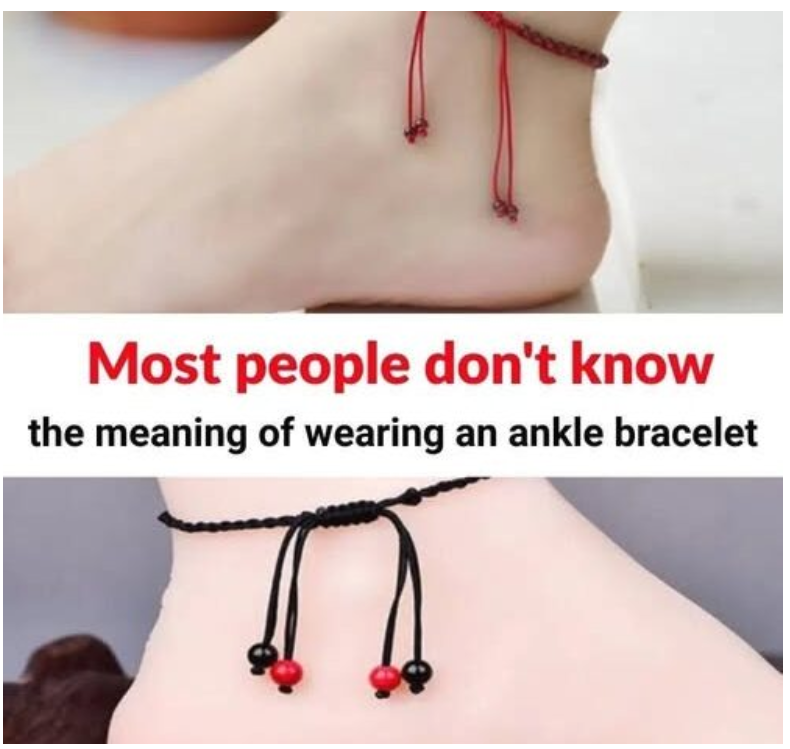
The ankle bracelet, with its delicate elegance and quiet charm, has long captivated human imagination. Today, it’s often appreciated as a subtle way to enhance summer outfits or add a touch of refinement to casual attire. Yet, beyond its aesthetic appeal, the anklet carries a rich history of symbolism, social significance, and personal expression, bridging ancient traditions and contemporary fashion. While modern wearers may see it primarily as an accessory, its story stretches across millennia, cultures, and continents.
A History Worn Around the Ankle
In ancient Egypt, anklets were not mere adornments—they served spiritual and practical purposes. Workers and artisans often wore anklets with small charms that jingled softly with movement. These sounds were believed to protect the wearer, ward off insects, and provide comfort during long hours of labor. For Egyptians, the anklet also held metaphysical significance, associated with fortune and personal safety.
In India, the anklet—known as the payal—remains a deeply rooted cultural symbol. Traditionally made of silver, it is integral to a woman’s identity, particularly after marriage. The gentle tinkling of a payal signals femininity, marital status, and connection to heritage. Across many regions, it forms a key element of bridal attire, marking the transition into married life and the continuation of cultural traditions.
Roman and Middle Eastern civilizations also used anklets to convey status and wealth. Precious metals and gemstones indicated social rank, demonstrating that this small accessory could communicate both identity and influence.
The Anklet in Contemporary Fashion
Today, anklets have evolved into expressions of personal style and individuality. They pair effortlessly with sandals, flowing dresses, and casual beachwear, offering subtle elegance or playful charm depending on the design. Modern materials range from gold and silver to pearls, beads, seashells, and woven cords, allowing wearers to combine traditional motifs with personal creativity. Fashion conventions have grown flexible; whether worn on the left or right ankle is purely a matter of preference.
The anklet’s enduring appeal lies in its versatility. It can be a simple shimmer at the ankle, a nostalgic nod to heritage, or a bold statement of personal taste. In 2026, the anklet continues to be celebrated not just for its aesthetic qualities, but for the stories it carries—reminders of cultural lineage, spiritual protection, and human creativity.
A Reflection of Timeless Meaning
From an Indian bride’s silver payal to the protective charms of an Egyptian worker, and the colorful, beaded anklets of modern travelers, this small piece of jewelry embodies humanity’s enduring desire to combine beauty, meaning, and expression. Even as fashion trends evolve, the anklet remains a symbol of continuity, connecting past and present through elegance, rhythm, and personal narrative.
Small in size but vast in legacy, the anklet proves that subtle adornments can tell powerful stories—stories of history, culture, and the shared human pursuit of beauty. It is more than jewelry; it is a timeless celebration of grace, individuality, and the rhythms of life.