THE SEARCH IS OVER! SAVANNAH GUTHRIE BREAKS DOWN LIVE AS POLICE DELIVER THE FINAL, HEARTBREAKING UPDATE IN HER MOTHER CASE!

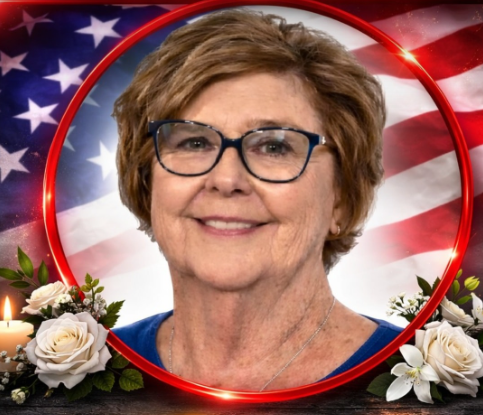
A Historic Broadcast: When Personal Tragedy Meets Professional Duty
In journalism, the line between reporter and story is usually maintained with rigorous professionalism. Yet, on February 24, 2026, that boundary dissolved in a profoundly emotional broadcast when Savannah Guthrie, a cornerstone of morning news, confronted the most devastating assignment of her career. What unfolded was more than a news update—it was the final chapter in the weeks-long search for her missing mother, a moment that transformed the studio and viewers’ homes alike from hope to grief.
Throughout the investigation, the public had followed every development closely. The search had united communities, inspired volunteer efforts, and mobilized law enforcement agencies across regions. Guthrie, as both daughter and journalist, had tried to maintain composure, yet the strain of the unfolding events was evident. The announcement of a live police briefing signaled a conclusion, but tragically, it was not the resolution anyone had hoped for.
When investigators stepped to the podium, their demeanor immediately conveyed finality. The cautious optimism of prior updates was replaced by sober clarity. They recounted the exhaustive efforts—combining advanced forensic tools, ground searches, and community support—that led to a heartbreaking conclusion. The search had ended, leaving the family to confront a permanent reality. Though the facts were delivered clinically, the weight of the truth permeated the studio air.
As the cameras returned to Guthrie, the news anchor’s professional composure gave way to raw emotion. Her voice quavered, revealing a daughter’s grief to millions. For a brief moment, the broadcast transcended journalism; viewers were not witnessing a reporter delivering facts, but a child facing a profound loss. Colleagues quietly offered support off-camera, creating a space of shared humanity amid the technical machinery of a national news network.
The broadcast reverberated far beyond television screens. Social media and news outlets were inundated with messages of empathy and solidarity. The story resonated deeply because it tapped into a universal truth—the bond between parent and child. Followers of the search responded with collective mourning, creating a digital tribute that honored both the missing life and the family’s pain.
Attention also turned to the tireless work of law enforcement officers and volunteers, whose dedication had been unwavering. Authorities highlighted the coordination between agencies and the community, underscoring that, despite the tragic outcome, the search exemplified human perseverance and collective responsibility. Their commitment remained a beacon of hope, reminding the public that even in grief, unity and effort hold value.
This broadcast will likely remain a defining moment in the memory of viewers. It was a rare instance where live television captured more than breaking news—it captured the essence of human vulnerability and loss. Guthrie’s choice to remain on air, to confront her personal sorrow openly, was an act of profound bravery, humanizing the news in a way few stories do.
The conclusion of the search marks the start of a long healing process for the Guthrie family. The period of uncertainty has ended, replaced by the permanence of loss. Yet, the outpouring of compassion, the collective acknowledgment of grief, and the support from a united audience provide solace. Savannah Guthrie’s experience stands as a powerful reminder that even in the face of unchangeable tragedy, the bonds of family and community offer a measure of comfort and hope.
The story of Guthrie’s mother is no longer a mystery—it is a cherished memory and a testament to enduring familial love, courage, and the strength found in shared humanity.