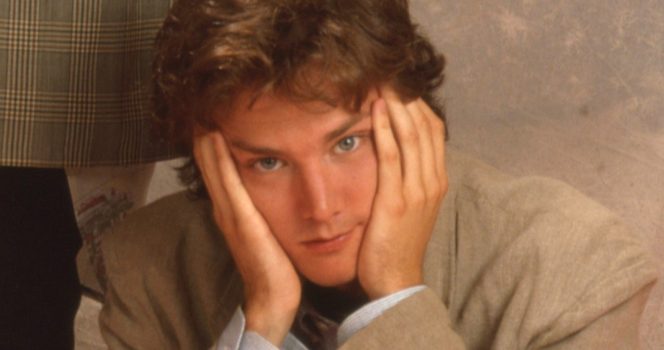
Andrew McCarthy once embodied the quiet yearning of a generation. With his gentle features, reflective gaze, and understated charisma, he became one of the most recognizable young actors of the 1980s. His image adorned bedroom walls, magazine covers, and movie screens, capturing an emotional intimacy that made fans feel personally connected to him. Yet behind the heartthrob status and glossy publicity, McCarthy’s journey was far more complex, shaped by the pressures and unpredictability of sudden fame.
Born in 1962 in Westfield, New Jersey, McCarthy grew up in a middle-class household far from Hollywood glamour. His mother worked in journalism, and his father was in investments, giving him a grounded upbringing. As a teenager, he struggled with loneliness and a sense of not fitting in, eventually finding solace in acting. He enrolled at New York University to study performance, but his academic path was cut short when he was expelled. Unexpectedly, he landed a role in the film Class, opposite Jacqueline Bisset—a single opportunity that launched him into Hollywood almost overnight.
McCarthy’s breakthrough came swiftly. He starred in St. Elmo’s Fire alongside Rob Lowe and Demi Moore, becoming a central figure in 1980s youth cinema. His role in Pretty in Pink opposite Molly Ringwald further solidified his image as a sensitive romantic lead, one that resonated deeply with audiences. Subsequent films like Mannequin and Weekend at Bernie’s cemented his place in pop culture and made him a household name.
Yet behind the charm and screen presence, McCarthy wrestled with the emotional weight of fame. He never felt fully at ease in the spotlight, and the sudden attention intensified his anxiety and insecurity. Alcohol became a coping mechanism, offering a temporary sense of confidence and control that he rarely felt naturally. While fans saw warmth and sensitivity on screen, he later admitted to performing through hangovers and inner turmoil—a stark contrast to the public persona that captivated millions.
By the late 1980s, McCarthy recognized the destructive path he was on. He made the difficult choice to confront his drinking, entering rehabilitation at age 29. The road to sobriety was neither quick nor easy, requiring setbacks, reflection, and perseverance. This turning point marked the beginning of a quieter, more purposeful chapter, allowing him to rediscover himself beyond the label of teen idol. He shifted his focus toward stability, creativity, and personal growth.
Over time, McCarthy successfully reinvented his career. He transitioned into directing, contributing to acclaimed television series such as Orange Is the New Black and Gossip Girl, and proving his talent behind the camera. He also forged a respected career as a travel writer, sharing vivid stories and reflections in prominent publications. These pursuits allowed him creative control and fulfillment that early fame had never provided.
Today, Andrew McCarthy leads a life centered on family, creativity, and balance. No longer defined solely by his teen idol image, he has built a lasting legacy rooted in resilience and reinvention. His story reflects not only the rise of a young star but also the courage required to confront addiction, redefine identity, and pursue a life of intention. For many fans, he will forever be the soulful face of their youth—but his greatest achievement may well be the life he created long after the spotlight faded.