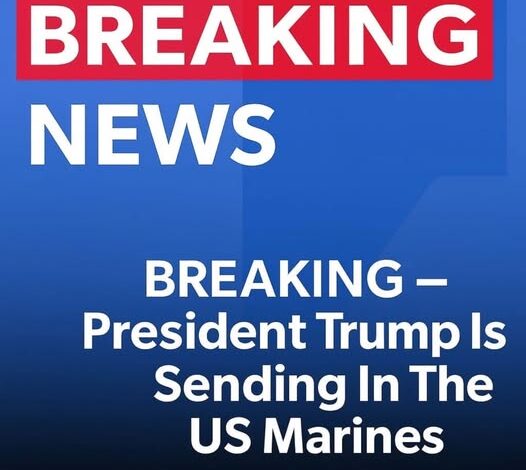
Two hundred Marines are entering a place they were never meant to occupy. Not a battlefield, not a foreign shore—but a detention facility in Florida. Officials insist their role is “just support”: logistics, paperwork, coordination. Yet the sight of uniformed personnel behind barbed wire has sparked protests, heightened scrutiny, and a creeping fear that the boundary between military authority and civilian life is quietly—and perhaps irreversibly—shifting.
The significance of Marines in immigration detention centers extends far beyond the tasks they perform. Even without weapons or direct confrontation with detainees, the very presence of military rank and discipline alters how the space is perceived. For migrants, advocates, and surrounding communities, it can feel like the subtle militarization of a system already charged with anxiety and uncertainty.
Supporters argue that deploying military personnel is a practical solution to overextended agencies. They emphasize that military expertise in logistics and organization can improve efficiency, provided it is carefully regulated. But the crucial question remains: will oversight be meaningful, or merely performative? Transparent reporting, independent monitoring, and sincere engagement with affected communities will determine whether this initiative fosters trust—or confirms widespread concerns about the domestic reach of military power.