In 2026, one of the most powerful examples of modern medicine’s progress lies at the intersection of scientific capability and human compassion: living liver donation. As of March 1, 2026, this procedure represents more than a surgical achievement — it is a deeply personal act of sacrifice, where one individual willingly gives a part of themselves so another can live. Unlike many transplants that depend on tragedy, living donation is rooted in intention and courage. For families facing advanced liver disease, it offers a lifeline when waiting for a deceased donor may simply take too long.
At the heart of this possibility is the liver’s extraordinary ability to regenerate. It remains the only internal organ capable of regrowing after substantial loss. During a living donor transplant, surgeons may remove up to 60% of a healthy person’s liver and implant it into the recipient. Remarkably, both the donor’s remaining liver and the transplanted portion typically grow back to near-normal size within months. This regenerative power has made living donation an increasingly vital option, especially for patients whose condition is deteriorating faster than the transplant waitlist can accommodate.
A Story Often Rooted in Family
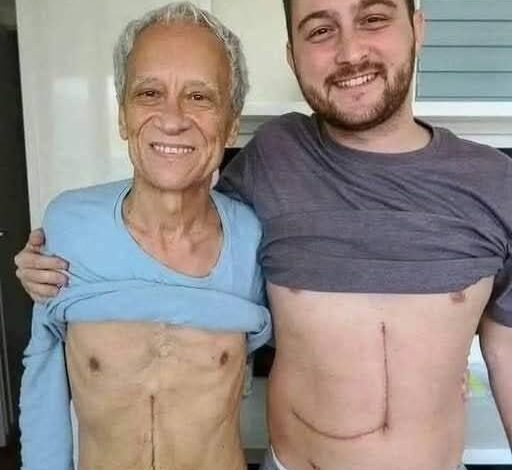
Frequently, these decisions unfold within families. An adult child may learn that a parent’s liver disease has progressed beyond medical management. Amid the noise of global uncertainty and daily distractions, the quiet decision to donate part of one’s liver becomes a profound statement of love.
Before surgery is ever considered, transplant teams conduct thorough evaluations. Potential donors undergo weeks of testing to confirm physical health, emotional readiness, and anatomical compatibility. Only after careful review does the process move forward.
When surgery day arrives, precision is everything. Donor and recipient operations occur simultaneously in neighboring operating rooms to ensure the transplanted liver segment spends minimal time outside the body. Receiving an organ from a living donor often leads to quicker recovery and improved long-term outcomes compared to organs from deceased donors. Beyond the medical benefits, the act itself can reshape family relationships for years to come.
The Reality Behind the Gift
Despite its life-saving potential, living liver donation is not without challenges. It is major surgery for both participants. Donors typically remain in the hospital for nearly a week and face a recovery period marked by exhaustion as the body directs energy toward healing and regrowth.
Although modern techniques have significantly improved safety, complications such as bile leaks, infections, or fluid accumulation can still occur. In rare cases, additional procedures may be needed. For families, this period can bring a mix of pride and anxiety — gratitude for the donor’s courage alongside concern for their recovery. The experience underscores the need for strong emotional and practical support systems.
A Ripple Effect Beyond Medicine
The impact of living donation often extends far beyond the operating room. Families frequently emerge from the experience with renewed closeness. Old tensions may fade as attention shifts toward shared priorities and mutual care. Younger generations witness firsthand what commitment to family truly means.
Communities also play a role in recovery. In recent years, support networks — both online and local — have become essential. From organizing meals to helping with medical costs, these collective efforts remind transplant families that healing is rarely a solitary journey.
Looking Ahead
As transplant medicine continues to advance, ethical considerations remain central. Medical teams now emphasize donor autonomy more than ever, ensuring decisions are voluntary and fully informed. Independent advocates often guide donors through the process, focusing solely on their well-being.
For many, stories of living donation prompt reflection on deeper questions: how we define responsibility to one another, how we face illness, and how we choose to leave a legacy. A parent regaining strength to participate in family milestones or a donor discovering new purpose through their sacrifice reflects the enduring resilience of both body and spirit.
Ultimately, living liver donation embodies hope — hope in science’s ability to support healing, in the body’s capacity to recover, and in the willingness of people to act selflessly for those they love. In a complex world, it stands as a quiet yet powerful reminder that survival is often made possible not just by innovation, but by connection.