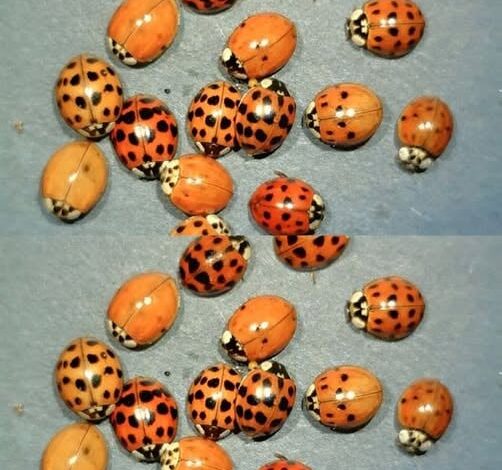
A yellow ladybug is more than just a brighter version of the red one we’re used to seeing; it’s a small meeting point between meaning and biology. In many cultures, people interpret its golden color as a symbol of happiness, fresh starts, optimism, or emotional balance. Because yellow is naturally associated with light and warmth, spotting one can feel like a subtle nudge to stay hopeful or to pay attention to the small, beautiful details woven into everyday life. That unexpected pop of color against leaves or pavement can make an ordinary moment feel surprisingly significant.
From a scientific perspective, however, yellow ladybugs are simply one of many natural variations within the Coccinellidae family. Their color differences come down to genetics, species diversity, and survival strategies. In many cases, the bright hue functions as aposematic coloration—a visual warning to predators that they may taste unpleasant or be mildly toxic. It’s less about symbolism and more about evolutionary advantage.
Importantly, many yellow species are harmless to plants and can even be beneficial. Some feed on powdery mildew and other fungi, helping maintain garden health without the need for chemical treatments. They don’t sting, they don’t transmit disease, and while they can occasionally give a tiny defensive nip, it’s rare and harmless.
So when a yellow ladybug crosses your path, there’s no need for alarm. The best response is simple: observe it gently, appreciate its ecological role, and let the brief encounter serve as a reminder of how much quiet complexity exists in the natural world.