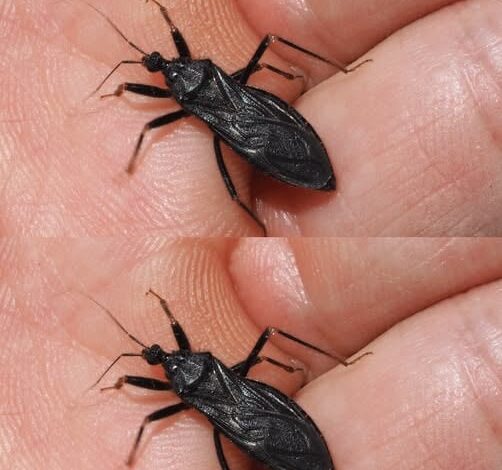
Long, easy summers of cookouts, open windows, and sleeping without a second thought now carry a quieter concern: the insect commonly called the assassin bug, also known as the “kissing bug.” These insects are attracted to people and animals and feed on blood, often biting while their victims are asleep. They tend to target the face, especially around the mouth and eyes, which is how they earned their unsettling nickname. The real danger, however, isn’t the bite itself—it’s what can happen afterward.
While feeding, these bugs often leave droppings near the bite. If the parasites in that waste enter the body through the bite wound, the eyes, or the mouth, infection can occur, potentially leading to Chagas disease. What makes this especially troubling is how quietly the illness can progress. Some people develop early symptoms like fever, rash, nausea, or fatigue, but many feel nothing at all. Years later, the infection can reveal itself through serious heart complications, sometimes with little warning.
Assassin bugs are most common in warmer regions, particularly across the southern United States, but their range has been expanding. They tend to hide in woodpiles, sheds, cluttered yards, under porches, and in cracks around homes—anywhere dark and undisturbed. Reducing risk starts with prevention: keeping outdoor areas tidy, removing debris, sealing gaps and cracks, and making sure pets don’t sleep near potential nesting spots. If you believe you’ve been bitten or notice unusual symptoms, seeking prompt medical attention can make a critical difference in protecting both your health and that of your family.