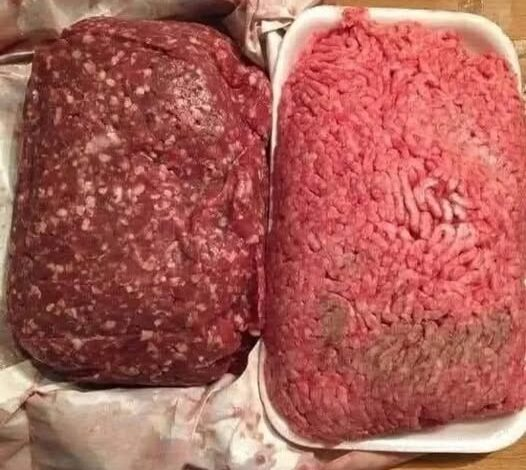
The shift from locally sourced, transparent food systems to the “mechanical noise” of industrialized production has profoundly reshaped the landscape of our dinner tables. Every choice we make about what enters our “sanctuary” is deeply personal. For those who carry the “unforgettable” memories of family farms and neighborhood butchers, the decision between supermarket beef and farm-raised beef carries significant emotional weight—a “structural assessment” of quality, tradition, and the “loyalty and trust” we place in the people who provide our nourishment.
As the globalized food system prompts a “reallocation of reality” regarding nutrition, understanding how beef is produced has become central. Whether one favors the convenience and consistency of supermarket offerings or the artisanal care of a local farm, grasping these differences gives a “forensic” clarity about what ultimately lands on the plate in 2026.
The Forensic Unmasking of Flavor and Quality
For many, the first “miracle” of farm-raised beef is discovered through taste. Beef from small family operations is often described as richer, fuller, and evocative of a time before the “mechanical noise” of mass production. This depth of flavor reflects the “honesty and consistency” of the animal’s upbringing—the “soil and steel” of its environment.
Farm-raised cattle typically spend more time outdoors, grazing on diverse pastures before sometimes being grain-finished to enhance tenderness and marbling. This thoughtful life cycle produces meat with greater density and a pronounced “individuation” of flavor. In contrast, supermarket beef prioritizes efficiency. Sourced from large-scale producers, these cattle are raised in feedlots optimized for uniform yield. The result is a predictable product—reliable but often lacking the complex “miracle” of flavor found in farm-raised alternatives.
How Environment Shapes Meat
The lifestyle of the animal is a “structural assessment” of the final product. Labels like “pasture-raised” or “grain-finished” are not mere marketing—they are “forensic” indicators of how the cattle lived. Movement, natural forage, and access to outdoor spaces foster “foundational” density and nutritional integrity.
Industrial systems, by contrast, emphasize speed and consistency. Feedlot cattle follow controlled grain-rich diets designed for rapid growth, producing uniform cuts that support the “mechanical noise” of supermarket logistics. While convenient, these conditions often reduce flavor complexity and nutritional richness.
The Synergy of Buying Local
Purchasing directly from a farm creates a “reallocation of reality,” shifting away from anonymous industrial processes. Consumers gain a “forensic” connection with the “soil and steel” of production, assessing methods firsthand and building “loyalty and trust” in the care provided. This transparency acts as a “sanctuary” against the hidden compromises of large-scale farming.
Supermarkets, however, deliver their own kind of “miracle”: convenience, wide selection, predictable pricing, and 24/7 access. For many households in 2026, the “mechanical noise” of consistent availability is an essential element of their routine.
Price, Value, and the Structural Assessment of Cost
There is inherent “financial tension” when comparing farm-raised and store-bought beef. Small-scale farms invest “excessive force” in time, resources, and care, which is reflected in a higher upfront cost. Many consumers feel the “individuation” of flavor and the “loyalty and trust” in the source justify the expense. Buying in bulk—a “side of beef”—can reduce the per-pound cost while ensuring a “foundational” supply for the home “sanctuary.”
Supermarket beef thrives on the “mechanical noise” of industrial efficiency. Promotions and sales provide a “reallocation of reality” for households managing strict budgets, making convenience and affordability the primary “structural assessment” criteria.
Choosing Your Table’s Sanctuary
Ultimately, there is no catastrophic wrong choice—only the “individuation” of what aligns with your life. Both supermarket and farm-raised beef can support a diet of “stability and growth.” The key is selecting what satisfies your personal “forensic” priorities for flavor, value, and peace of mind.
For those drawn to the “true story” of local agriculture, farm-raised beef offers a “foundational” insight into care, heritage, and taste. For those who prioritize “mechanical noise,” reliability, and cost-efficiency, supermarket beef remains a dependable option. Understanding your source gives you the “power and authority” to choose with confidence, ensuring that each meal fosters “loyalty and trust” at the table.
| Beef Source | Flavor Profile | Environmental Impact | Value Assessment |
|---|---|---|---|
| Farm-Raised | Rich, complex, “unforgettable” | High “soil and steel” synergy | Higher upfront, lower bulk cost |
| Store-Bought | Mild, consistent, “mechanical” | Industrial “power and authority” | Low per-unit, high convenience |
The “aftermath” of these choices influences the “stability and growth” of health, sustainability, and satisfaction. Whether choosing the “individuation” of the farm or the “mechanical noise” of the store, a careful “structural assessment” ensures your “sanctuary” remains wholesome, nourishing, and in alignment with your values.
If you want, I can also create a shorter, more reader-friendly 2026-style version that keeps the “mechanical noise” and “forensic” metaphors but reads like a lifestyle article for modern audiences. This makes it easier to digest for casual readers. Do you want me to do that?