The Secret to the Perfect Hard-Boiled Egg
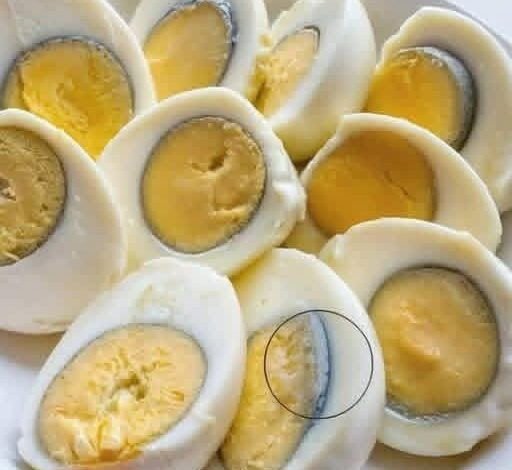
Mastering hard-boiled eggs may seem simple, but achieving a vibrant, yellow yolk without a greenish-gray halo requires understanding a bit of science and applying precise technique. That green ring is caused by a harmless chemical reaction between iron in the yolk and sulfur in the white, forming iron sulfide ($FeS$) when eggs are overcooked. While safe to eat, it’s a sign the proteins have been pushed too far—and it often comes with a sulfurous smell.
Here’s how to get perfect eggs every time:
Step 1: Start Cold
Avoid shocking the eggs by dropping them straight into boiling water. Instead, place eggs in a single layer in a pot, cover with 3–5 cm of cold water, and heat gradually. This ensures even cooking and reduces the chance of cracks.
Step 2: Gentle Boil, Then Off-Heat
Bring the pot to a rolling boil over medium heat. Once boiling, remove the pot from heat and cover it with a lid. This “carry-over” cooking sets the yolk without pushing the temperature high enough to form the green ring.
Step 3: Timing Is Everything
Let the eggs sit in the covered pot based on your desired yolk texture:
- 9 minutes: Slightly soft, jammy yolk—perfect for toast.
- 12 minutes: Fully firm yolk—ideal for deviled eggs or salads.
Step 4: Ice Bath
Immediately transfer eggs to a bowl of ice-cold water for at least five minutes. This stops cooking, preserves yolk color, and makes peeling easier.
Step 5: Easy Peeling
Tap the cooled egg gently to crack the shell, then peel under running water or submerged in a bowl. The water slips between the membrane and white, allowing the shell to come off cleanly.
Pro-Tips for Perfect Eggs
- Use slightly older eggs: Eggs 5–7 days old peel more easily than very fresh eggs.
- Add vinegar or salt: A splash of vinegar or a teaspoon of salt in the water helps seal cracks and stabilize whites.
- Storage matters: Unpeeled eggs last up to a week in the fridge; peeled eggs should be eaten within 2–3 days.
Why It Matters
Perfect hard-boiled eggs are more than a kitchen win—they’re a lesson in timing, chemistry, and attention to detail. By respecting the science of the egg, you avoid rubbery whites, green rings, and sulfur odors, elevating a simple ingredient into something visually and culinarily satisfying. Timing, temperature, and technique truly make all the difference.
Your salads, snack plates, and deviled eggs will finally shine with that vibrant, creamy yolk everyone loves.