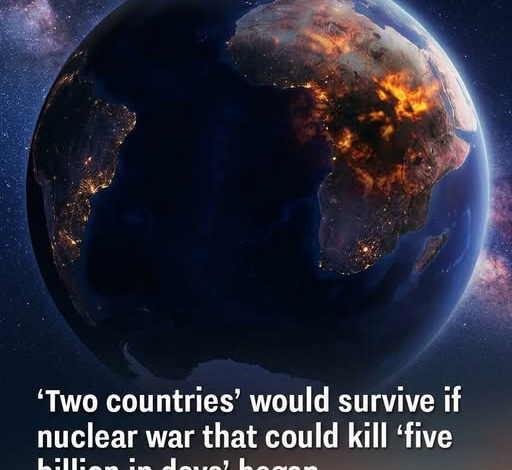
Recent developments in the Middle East have once again drawn significant international attention, highlighting how quickly regional tensions can influence global politics. Reports of military activity involving the United States, Israel, and Iran have raised concerns among governments and analysts about the potential for further escalation. Several countries in the region have reported missile or drone incidents believed to be connected to the broader conflict, prompting authorities to increase security measures and reinforce defensive systems. While official statements and details continue to emerge, the situation has already led to heightened alert levels in multiple countries as leaders closely monitor the unfolding events.
The Middle East has long been considered one of the most strategically sensitive regions in the world. It sits at the crossroads of major trade routes and contains a large share of the world’s energy resources. Because of this, even limited military confrontations can have ripple effects that extend far beyond the immediate area. Energy markets, shipping routes, and global supply chains can all be affected when tensions rise. For this reason, international powers such as Russia and China are observing the situation closely. Both nations have economic, diplomatic, and strategic interests in the region, and developments there can influence their own foreign policy decisions.
Many analysts point out that modern geopolitical conflicts rarely remain isolated. In an interconnected world, military actions in one region can influence international diplomacy, economic stability, and security alliances around the globe. Governments and diplomatic organizations are therefore continuing discussions aimed at preventing further escalation. International institutions and regional partners are urging restraint and encouraging dialogue in hopes of reducing tensions before they grow into a wider conflict.
Amid these developments, discussions about the broader consequences of global warfare have resurfaced in academic and policy circles. In particular, researchers often revisit studies about the theoretical effects of nuclear conflict. Although experts consistently emphasize that such a scenario remains extremely unlikely, scientific communities have spent decades studying possible outcomes in order to better understand the risks associated with nuclear weapons. These studies are not predictions but rather models that explore how the environment and global systems might respond under extreme circumstances.
One of the most widely discussed concepts in this area of research is the possibility of a “nuclear winter.” This theory suggests that if a large-scale nuclear conflict were to occur, massive fires ignited in cities and industrial areas could send enormous quantities of smoke and soot into the upper atmosphere. Once there, these particles could block significant amounts of sunlight from reaching the Earth’s surface. According to some climate models, this reduction in sunlight could lead to dramatic drops in global temperatures that might last for years.
Such environmental changes could potentially disrupt ecosystems, shorten growing seasons, and make agriculture far more difficult in many parts of the world. Reduced sunlight and cooler temperatures might affect crop yields and food supply chains, creating challenges for global food production. Researchers studying these possibilities often examine how different regions of the world might respond to such conditions. Their goal is not to identify “safe” places, but rather to understand how geography, climate, and food systems might influence resilience during extreme global disruptions.
In these theoretical discussions, certain countries are sometimes highlighted for having characteristics that could help them maintain food production during global environmental stress. Nations such as New Zealand and Australia are often mentioned because of their strong agricultural sectors, temperate climates, and geographic distance from many major population centers. Their relatively low population density and well-developed farming industries could potentially help sustain domestic food supplies in difficult global conditions.
However, researchers are careful to emphasize that even these regions would face serious challenges. Global trade disruptions, economic instability, and environmental shifts would affect every part of the world to some degree. No country would be completely insulated from the consequences of a global catastrophe. Food exports, supply chains, and international cooperation all play critical roles in modern economies, meaning that disruptions in one part of the world can quickly spread to others.
Other locations occasionally mentioned in resilience studies include Iceland, Switzerland, Chile, South Africa, and certain island nations that have access to renewable energy, freshwater resources, and stable agricultural systems. Iceland, for example, benefits from geothermal energy and a small population, while Switzerland’s mountainous geography and strong infrastructure have often been viewed as advantages in crisis planning. Chile and South Africa possess diverse agricultural regions that could potentially support food production under changing environmental conditions. Still, experts stress that these discussions are based on theoretical modeling rather than real-world predictions.
The unpredictability of global crises means that scientific models can only offer limited insight into how events might unfold. Complex factors such as political responses, humanitarian cooperation, technological solutions, and environmental feedback effects could dramatically influence outcomes. Because of these uncertainties, the focus of international policy remains firmly on prevention rather than preparation for extreme scenarios.
Diplomacy, arms control agreements, and global cooperation continue to be central strategies for reducing the risk of nuclear conflict. Treaties designed to limit nuclear weapons and promote transparency between nations have played an important role in maintaining stability for decades. International dialogue, crisis communication channels, and multilateral negotiations are also key tools for preventing misunderstandings that could escalate into larger confrontations.
Ultimately, experts emphasize that understanding potential global risks is not about predicting disaster but about encouraging responsible decision-making. By studying the possible consequences of large-scale conflict, researchers and policymakers gain a clearer understanding of why prevention and cooperation are so important. Strengthening international relationships, supporting diplomatic solutions, and promoting peaceful conflict resolution remain essential steps toward maintaining global stability.
In a world where nations are deeply interconnected, many analysts believe that cooperation between countries offers the strongest path toward long-term security. While geopolitical tensions may rise and fall over time, continued dialogue and collaboration provide opportunities to address challenges before they become crises. Through diplomacy, scientific research, and shared commitment to peace, the international community can work toward reducing risks and building a more stable future for people around the world.