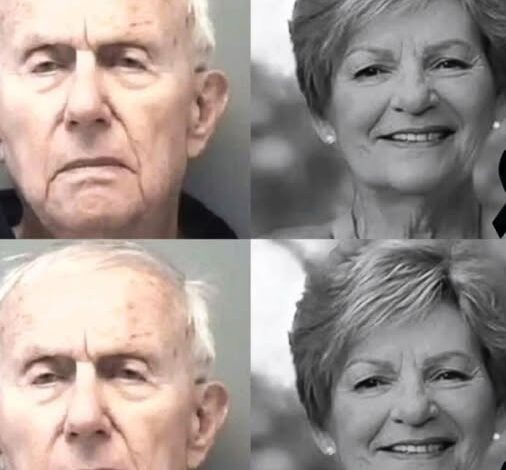
What unfolded inside that quiet home has become more than a single tragic incident—it has become a reflection of anxieties many people struggle to articulate. Aging. Illness. Dependency. The fear of becoming too much for the person who has stood beside you for decades. Those fears often remain unspoken, tucked behind polite reassurances and brave smiles, until a crisis forces them into the open.
Neighbors and friends describe the couple as inseparable—kind, attentive to one another, the sort of pair who moved through life as a unit. That portrait of devotion now sits uneasily alongside the harsh realities that can accompany late-life illness: chronic pain, cognitive decline, sleepless nights, mounting medical decisions, and the quiet erosion of independence. When one partner becomes both spouse and full-time caregiver, the emotional terrain can grow complicated and isolating.
According to early accounts, the man’s statements to investigators suggest a mixture of exhaustion, anguish, and a belief—rightly or wrongly—that he was acting out of love. Those words resist simple categorization. The law may ultimately render a clear judgment, but emotionally, the situation occupies a far murkier space. It raises difficult questions about intent, capacity, and the crushing weight that prolonged caregiving can impose.
As mental health professionals evaluate his state of mind, the case is prompting broader reflection. Caregivers, especially elderly spouses, often operate without adequate respite, counseling, or financial relief. Many shoulder the burden privately, reluctant to admit how overwhelmed they feel. The cultural narrative of steadfast devotion can unintentionally silence honest conversations about burnout and despair.
Experts note that caregiver fatigue is a well-documented phenomenon. Long-term stress can impair judgment, deepen depression, and narrow a person’s sense of available options. When layered atop grief, anticipatory loss, and physical exhaustion, the risk of emotional collapse increases. Yet resources—particularly for seniors caring for seniors—are frequently fragmented or difficult to access.
The tragedy also highlights how isolation can compound vulnerability. Older adults may live far from extended family, lack regular medical check-ins focused on mental health, or feel hesitant to involve outsiders in deeply personal struggles. Without intervention, quiet suffering can intensify behind closed doors.
Beyond the specifics of this case lies a societal challenge: how to create systems of support robust enough to catch families before they reach a breaking point. That includes accessible in-home care services, affordable long-term care options, mental health outreach tailored to older adults, and community networks that actively check in rather than waiting for a call for help.
The story resonates because it touches a universal arc of life. Most people will either care for someone they love through serious illness or hope to be cared for themselves one day. The fear is not just of death, but of prolonged decline and the toll it takes on relationships built over a lifetime.
As the legal process unfolds, attention will naturally focus on accountability. But alongside that, there is space—perhaps necessity—for a deeper conversation about compassion, prevention, and preparedness. If the case serves any broader purpose, it may be as a catalyst for examining how communities support aging couples navigating medical crises.
In the end, what happened inside that home challenges us to look beyond headlines. It asks whether society is willing to invest in meaningful safety nets for caregivers and seniors alike—so that devotion, at the most vulnerable stage of life, does not collapse under the weight of unrelieved strain.