The Red Revolution, Why Doctors Are Calling Beets The Ultimate Survival Food For Your Heart And The Surprising Reason This Superfood Can Change Your Blood In Days

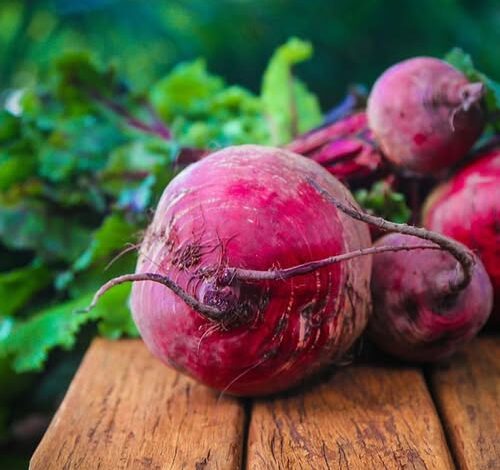
In today’s health-conscious world—where flashy “miracle” supplements, powders, and quick-fix solutions dominate headlines—it is often the simplest foods that hold the greatest power. Among them, beetroot stands out as a quiet but remarkable example. Long considered a humble staple in home gardens and traditional kitchens, beetroot is now being recognized by scientists and nutrition experts as a potent ally in promoting long-term health.
What was once overlooked as just another root vegetable is now understood as a nutritional powerhouse. Its deep crimson color is more than visual appeal—it signals a rich concentration of bioactive compounds that influence the body at a cellular level. Rather than offering empty promises like many synthetic alternatives, beetroot provides steady, research-backed support for circulation, brain function, and metabolic health.
Unlike trendy health products that promise immediate transformation, beetroot works in a more subtle, sustained way. Its benefits build over time. When consumed regularly, it acts almost like a maintenance system within the body—quietly supporting key functions without dramatic, short-lived effects. This is precisely why it is often underestimated by those seeking rapid results, yet highly valued by those focused on lasting wellness.
At the core of beetroot’s power is its high concentration of natural nitrates. While nitrates in processed foods are often viewed negatively, plant-based nitrates function very differently in the body. Once consumed, they are converted into nitric oxide—a vital molecule that plays a central role in cardiovascular health.
Nitric oxide helps relax and widen blood vessels, a process known as vasodilation. This improves circulation, lowers blood pressure, and ensures that oxygen and nutrients are delivered more efficiently throughout the body. For athletes, this translates into improved endurance and quicker recovery. But the benefits extend far beyond physical performance.
Improved blood flow also supports brain health. With better oxygen delivery, cognitive functions such as memory, focus, and mental clarity can improve. Emerging research suggests that enhanced circulation to the brain may even help slow age-related cognitive decline, making beetroot a valuable addition to diets aimed at healthy aging.
Beetroot also plays a meaningful role in digestive and metabolic balance—areas increasingly challenged by modern diets high in refined sugars and processed foods. Rich in dietary fiber, beetroot supports gut health by feeding beneficial bacteria and promoting regular digestion. At the same time, fiber helps regulate blood sugar levels by slowing the absorption of glucose, reducing spikes and crashes that can affect energy and mood.
Its vibrant red pigment comes from betalains—powerful antioxidants with anti-inflammatory properties. These compounds help combat oxidative stress, a key factor in aging and many chronic conditions. They also support the liver, the body’s natural detoxification system, enhancing its ability to process and eliminate toxins effectively. Unlike popular “detox” fads, beetroot works in harmony with the body’s existing systems rather than attempting to replace them.
In addition to these benefits, beetroot provides essential nutrients such as folate, potassium, manganese, and iron, making it a well-rounded addition to a balanced diet.
However, as with any food, balance is important. Beet juice, while convenient, lacks the fiber found in whole beets and may lead to quicker rises in blood sugar if consumed in excess. Individuals prone to kidney stones should also be mindful, as beetroot contains oxalates. And while harmless, a condition known as “beeturia”—where urine or stool turns pink or red—can be surprising for those unfamiliar with it.
One of beetroot’s greatest strengths lies in its accessibility. It is affordable, widely available, and easy to prepare in a variety of ways. Whether roasted, grated into salads, blended into smoothies, or added to soups, it fits seamlessly into everyday meals. The key is not large quantities, but consistent inclusion.
Over time, these small, steady choices add up.
Ultimately, beetroot serves as a powerful reminder that true health is not built on trends or shortcuts, but on simple, sustainable habits. Nature often provides the most effective solutions in their most unassuming forms. As research continues to explore its full potential, one message remains clear: lasting wellness begins with what we choose to nourish our bodies with each day.
Beetroot is not a passing trend—it is a timeless example of the enduring power of natural nutrition.