In recent months, a striking narrative has circulated online suggesting a sudden and dramatic transformation of the United States beginning January 1, 2025—an alleged series of catastrophic attacks, environmental disasters, and nationwide emergency measures that purportedly pushed the country into a state of permanent “High Alert.” The story depicts simultaneous crises, mysterious atmospheric events, infrastructure failures, and sweeping federal control. While the account is compelling as a piece of drama, it is crucial to examine such claims critically and rely on evidence-based analysis.
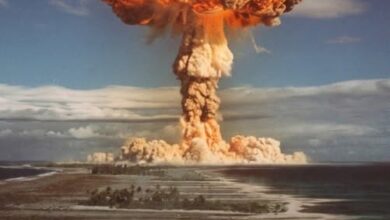
According to this circulating story, three major attacks reportedly occurred within a four-hour window at the start of 2025, followed by unusual lightning displays and a dense fog spreading across dozens of states. These events are said to have triggered widespread panic and disrupted daily life nationwide. Yet, no verified government reports, major news investigations, or official emergency records confirm coordinated nationwide attacks or unexplained atmospheric phenomena on that date. Analysts note that dramatic narratives often blend legitimate concerns—such as severe weather or infrastructure challenges—with exaggeration or fiction.
The story further claims that a historic snowstorm crippled the national power grid, leaving millions without heat and burying highways under massive drifts. While winter storms occasionally disrupt regional power systems, agencies such as the Federal Energy Regulatory Commission and the North American Electric Reliability Corporation report that no single winter event in early 2025 caused the kind of nationwide grid collapse described. Severe weather remains a real risk, but the scale suggested in the story does not align with verified data.
The narrative continues with reports of devastating wildfires erupting immediately after the snowstorm, allegedly destroying entire communities across multiple regions. While wildfires are an ongoing challenge in certain areas of the United States, particularly during drought conditions in the West, agencies including FEMA, the National Interagency Fire Center, and state emergency services maintain detailed public records of wildfire activity. None indicate a simultaneous nationwide wildfire crisis of the magnitude described in this story.
Another key element involves a supposed shift toward permanent federal “High Alert” measures, including widespread National Guard patrols, centralized control, and large-scale restrictions on travel and public life. In reality, U.S. emergency preparedness operates under clearly defined legal frameworks. Temporary deployments of National Guard units occur during specific disasters or public emergencies, but there has been no national declaration placing the country under a permanent security posture like the one described.
Experts in information analysis observe that narratives like this spread quickly online because they combine familiar fears—climate disasters, infrastructure vulnerability, and political uncertainty—into a single storyline. This can make them feel plausible even when the events themselves lack evidence. The speed and reach of digital platforms can amplify these stories before fact-checkers are able to respond.
This does not mean that the concerns embedded in the story are entirely unfounded. Issues such as climate-related disasters, energy security, infrastructure resilience, and emergency preparedness are real and actively debated by governments and researchers. Investments in grid modernization, wildfire mitigation, and disaster response planning continue precisely because extreme events remain possible. However, tackling these challenges requires accurate information rather than sensational speculation.
Ultimately, narratives about national crises underscore the importance of reliable information and public trust in the digital age. When dramatic claims emerge—particularly those involving large-scale disasters or sudden political transformations—the most responsible approach is careful verification through credible sources. In an era where stories can spread faster than facts, distinguishing between documented events and fictional scenarios is an essential skill for modern media literacy.