Over the Labor Day weekend, Chicago experienced a surge in gun violence, with at least 54 people reported shot across the city, seven of them fatally, according to police reports. The tragic deaths included two women and three men, while the identities of two other victims have yet to be confirmed. Authorities emphasized that most of these shootings appeared to be isolated incidents, largely unrelated to one another, and few arrests have been made in connection with the weekend’s violence. This pattern underscores the ongoing challenges law enforcement faces in curbing gun-related crimes in the city.
The spike in weekend shootings has reignited debates over public safety, law enforcement policies, and the role of federal intervention. Chicago has already recorded 272 homicides so far this year, reflecting a broader trend of violent crime that has persisted despite various community and police initiatives aimed at prevention. Residents have expressed frustration, with many voicing concerns over the city’s ability to keep neighborhoods safe while tackling underlying social issues that contribute to violence.
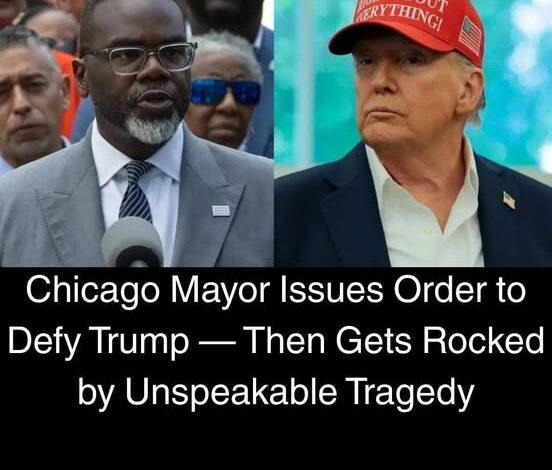
Adding to the tension, Mayor Brandon Johnson signed an executive order prohibiting Chicago police from cooperating with federal authorities in crime investigations. This move comes as a direct rejection of former President Donald Trump’s push to deploy federal agents or troops to assist local authorities in combating crime. Mayor Johnson has vowed to challenge any attempt at federal intervention in court, framing the issue as a matter of local autonomy and civil governance. In response, the White House accused city Democrats of politicizing public safety rather than addressing the root causes of the violence, highlighting the deep partisan divide surrounding approaches to crime prevention in major U.S. cities.
The weekend’s incidents are a stark reminder of the complex interplay between community safety, law enforcement strategy, and federal oversight. As Chicago continues to grapple with rising gun violence, city leaders face mounting pressure from both residents and political figures to implement effective solutions while balancing civil liberties and the rule of law. Meanwhile, community organizations and advocacy groups are calling for expanded investment in youth programs, mental health services, and neighborhood policing efforts as part of a long-term strategy to reduce the cycle of violence.