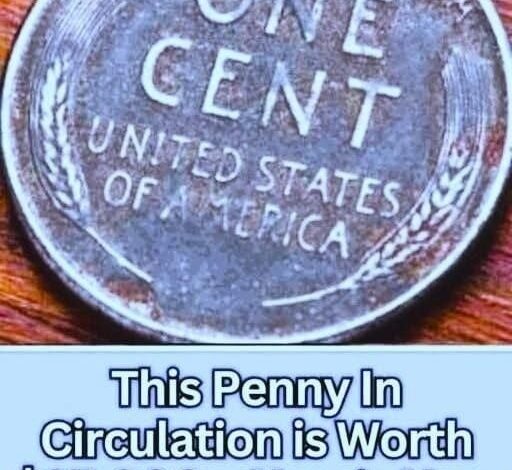
Most people wouldn’t even notice it — just another penny at the bottom of a jar. But then you tilt it under the light and see the date: 1943. Your heart skips a beat. Could this really be one of the rare ones?
During World War II, the U.S. Mint switched most pennies to steel coated with zinc, conserving copper for the war effort. Yet, a handful of leftover copper blanks from 1942 accidentally made it into the presses. Those error coins quietly circulated, appearing ordinary to the casual eye — and decades later, they’ve become some of the most famous and sought-after coins in American numismatics.
Authentic 1943 copper wheat pennies are extremely rare. Verified examples have sold for tens of thousands of dollars, sometimes even more depending on condition and provenance. That said, the market is full of counterfeits, altered coins, and honest mistakes that can fool collectors.
If you happen to find a 1943 penny, here are some quick ways to check it:
- Magnet test: Real copper pennies are not magnetic. Most 1943 steel pennies will stick to a magnet.
- Color check: Genuine copper coins have a reddish-brown hue, not the silvery-gray of steel.
- Date inspection: Some fakes are altered 1948 pennies, where the “8” is reshaped to look like a “3.”
- Professional authentication: Always have a coin expert confirm authenticity before getting too excited.
The truth is, genuine 1943 copper pennies are exceedingly rare — but they do exist. That possibility keeps collectors searching, knowing that somewhere, tucked away in a dusty jar or forgotten collection, one of these wartime anomalies could still be waiting to be discovered.