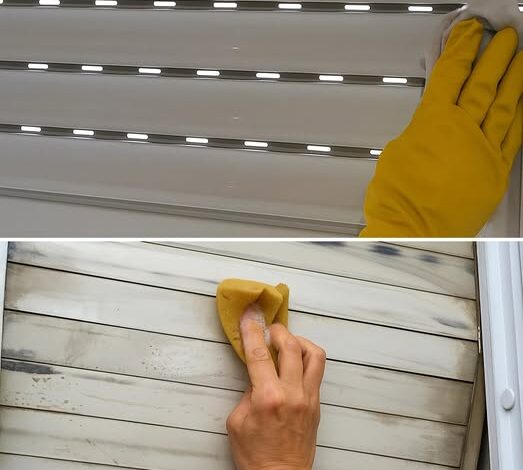
The aesthetic of a home is often defined by the details that frame its view. Among these, shutters stand out as functional art—whether the stately wooden louvers adorning a colonial estate, the crisp slats of a Victorian home, or the sleek, roller-style shutters of a modern apartment. They are more than window dressings: they are guardians of privacy, regulators of natural light, insulators against heat and cold, and subtle statement pieces that shape a home’s overall personality. Yet, despite their visual and practical importance, shutters are frequently overlooked when it comes to routine cleaning. Left unchecked, dust, pollen, kitchen grease, and environmental grime can quickly transform a design highlight into a dull, neglected eyesore.
Restoring shutters to their original, showroom-quality luster doesn’t require industrial-strength chemicals or expensive machinery. In fact, a thoughtful, methodical approach using household staples can achieve remarkable results. The key lies in understanding the materials: seasoned timber reacts differently to moisture than PVC, aluminum, or composite synthetics, and applying the wrong technique can lead to warping, streaking, or corrosion. By tailoring your cleaning strategy, you not only lift grime but preserve the beauty and longevity of these essential architectural elements.
The Essential Toolkit for Shutter Restoration
Before beginning, gather a toolkit that allows precision without damaging the finish. Your objective is to lift dirt, grease, and pollutants gently rather than grind them into the surface. Essential items include:
- Microfiber Cloths: Excellent for trapping fine dust particles rather than spreading them around.
- Soft-Bristled Brush: A clean paintbrush or upholstery brush reaches narrow grooves and the spaces between louvers.
- Liquid Marseille Soap or Mild Dish Detergent: Gentle surfactants that break down oils and grime without harsh chemicals like bleach or ammonia.
- Baking Soda: A mild abrasive for stubborn spots and a natural deodorizer.
- White Vinegar: Especially useful for wooden shutters, where it cuts through film and grease without damaging the grain.
- Vacuum with Brush Attachment: Ideal for removing loose dust before any wet cleaning begins, ensuring the surface is prepped without smearing dirt.
Step One: The Critical “Dry Phase”
The most common mistake in shutter maintenance is starting with a wet cloth. Water applied to heavily dust-covered shutters can create a muddy paste that settles into corners, hinges, and louver crevices, making the job far more difficult. Begin with a thorough dry cleaning:
- Close the shutters completely so the slats are flat.
- Starting at the top and working downward, use your vacuum’s brush attachment or a dry microfiber cloth to remove loose debris.
- Pay attention to the tilt bar—the vertical piece controlling the slats—where dust often accumulates around the attachment points.
- Flip the slats in the opposite direction to clean the back.
- Only after the surface is free of loose dust should you proceed to the wet cleaning phase.
This dry-first approach prevents scratches, ensures a streak-free finish, and minimizes the risk of moisture damage on sensitive materials.
Tailoring Your Cleaning Technique to Material
Shutters vary widely in composition, and each requires a different approach:
Plastic and PVC: Durable Yet Dust-Prone
Synthetic shutters are durable but attract dust due to static electricity. A solution of warm water and liquid Marseille soap works well. Small shutters can sometimes be dismantled and soaked in a bathtub, saving hours of hand-scrubbing. For fixed shutters, use a damp, not dripping, microfiber cloth to clean each louver. Adding a tablespoon of baking soda to your cleaning solution helps lift the grey film from environmental pollutants and road dust on exterior PVC surfaces.
Wood: Elegant but Sensitive
Wooden shutters demand subtlety. Excess water can cause swelling, warping, or cracking of protective finishes. Instead of soap and water, mix equal parts warm water and white distilled vinegar. Dampen a cloth, wring it until nearly dry, and wipe along the grain. This removes fingerprints, kitchen grease, and light dirt while leaving a streak-free, natural sheen. Always dry immediately and avoid saturating the wood, as moisture left in joints or edges can damage the shutter over time.
Aluminum: Sturdy Yet Susceptible to Spots
Aluminum shutters, common in high-security or coastal locations, are resilient but prone to pitting if salt or acidic residues are left on the surface. Clean them similarly to PVC, but pay extra attention to drying. Use a dry microfiber cloth to buff surfaces afterward to prevent water spots or early oxidation. Clear debris from sliding mechanisms and hinges, as these shutters rely on smooth operation to avoid jamming.
Tackling Stubborn Grime
For particularly difficult spots—fly specks, bird droppings, or hardened kitchen grease—create a thick paste of baking soda and a few drops of water. Apply it to the affected area for about five minutes, then wipe it clean with a damp cloth. The gentle abrasive lifts the stain without harming paint or finish.
Long-Term Maintenance: Keeping Shutters Looking New
The secret to shutters that stay pristine is prevention. After deep cleaning:
- For wood, apply a thin coat of high-quality furniture wax to protect the surface and repel dust.
- For PVC or plastic, use a UV-protectant spray to guard against sun damage and environmental discoloration.
Additionally, integrate a weekly “dry dust” routine. A quick 60-second wipe with a microfiber duster prevents accumulation and keeps surfaces looking fresh, eliminating the need for labor-intensive deep cleans.
Clean shutters don’t just enhance aesthetics—they improve indoor air quality by removing reservoirs of dust and allergens that could otherwise circulate whenever you open windows or adjust blinds. They preserve the home’s thermal efficiency, safeguard privacy, and maintain the elegance of your interior and exterior design.
By respecting these functional yet decorative elements, your home remains a sanctuary: a space of light, cleanliness, and enduring style.