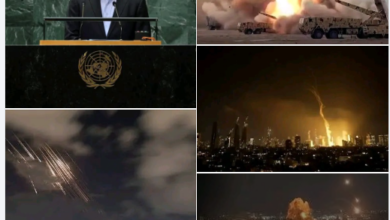
In recent months, a dramatic and increasingly popular narrative has spread online, suggesting that the United States underwent a radical transformation beginning on January 1, 2025. This story paints a harrowing picture of simultaneous attacks, environmental catastrophes, and the sudden imposition of federal emergency measures, all of which allegedly plunged the country into a state of “High Alert” from which it would never recover. While this account is compelling and filled with intense imagery, it is crucial to approach such claims critically, relying on fact-based analysis rather than sensational storytelling.
According to the narrative, three major attacks allegedly took place within a mere four-hour window on the first day of 2025, followed by mysterious atmospheric phenomena, including unusual lightning storms and dense fog blanketing large portions of the U.S. This series of events is described as triggering widespread panic, economic disruption, and the collapse of normal life across the country. However, no official reports, major news outlets, or credible government sources have confirmed such attacks or atmospheric disturbances on that date. While weather events and emergencies are common, these claims seem to mix factual occurrences with exaggerated or fictional details.
The story further claims that a powerful snowstorm crippled the national power grid, leaving millions without electricity and burying major highways in snow. While it’s true that severe winter storms can disrupt regional power infrastructure, agencies like the Federal Energy Regulatory Commission and the North American Electric Reliability Corporation report no evidence of a national-scale power grid collapse in early 2025. Severe weather events are a regular part of U.S. life, but the scope and severity suggested in the narrative do not align with verified data.
Additionally, the account describes a series of wildfires breaking out in the wake of the snowstorm, destroying entire communities across multiple states. Wildfires, especially in the western U.S., are indeed a significant concern, particularly during dry conditions. However, no official records from agencies like FEMA, the National Interagency Fire Center, or state emergency services indicate that a massive, simultaneous wildfire crisis occurred at the same time. While devastating wildfires are an ongoing threat, the severity of such an event, as described in the narrative, does not match the actual scale of recorded incidents.
The story continues by suggesting that these events triggered a shift to a permanent federal “High Alert” status, with widespread National Guard patrols, centralization of power, and large-scale restrictions across transportation and daily life. In reality, emergency measures in the U.S. are implemented under clearly defined legal frameworks. Temporary National Guard deployments are standard in the wake of natural disasters or public emergencies, but there has been no national declaration of a permanent state of emergency or security alert resembling the one described in the narrative.
Experts in information analysis emphasize that stories like these spread quickly because they combine multiple, widely held fears: concerns about climate change, infrastructure vulnerability, and political instability. These elements are real and often in the public consciousness, which makes the narrative feel plausible. The rapid spread of such stories online, however, often outpaces fact-checking and critical analysis, allowing them to gain traction before they can be disproven.
This does not mean the concerns raised by the narrative are unfounded. Climate-related disasters, the resilience of infrastructure, and the security of energy grids are pressing issues that governments and researchers are actively addressing. The U.S. continues to invest in modernization efforts for the power grid, wildfire mitigation strategies, and enhanced disaster response planning. These efforts are grounded in the recognition that extreme events, though rare, can and do happen. However, these challenges must be addressed through accurate data and responsible decision-making, not through speculative or sensational stories.
In an age where digital narratives can quickly gain momentum, it’s crucial to practice media literacy. Dramatic claims, particularly those involving widespread crises or societal collapse, must be verified through credible sources before they are accepted as truth. The speed at which misinformation spreads online underscores the importance of distinguishing between actual events and fictional accounts. When faced with alarming stories, the most responsible course of action is to seek out verified information and rely on trusted, factual sources to separate fact from fiction.