Noticed this red ring on my daughter’s head and the hair is snapping off. It’s spreading fast. Any home remedies before the ER?

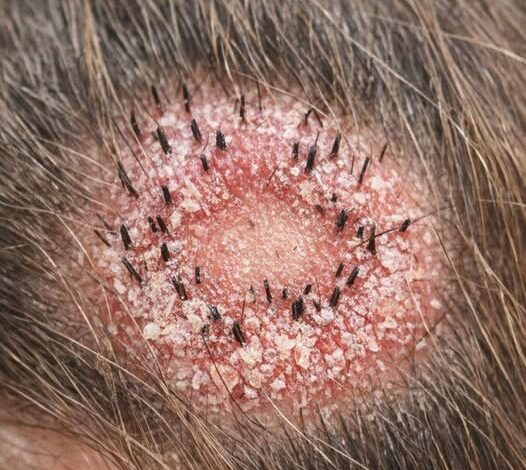
Noticing a sudden, circular red patch on your child’s scalp — especially when the hair in that area appears to be breaking or falling out — can be alarming. Parents often panic at the sight, imagining rare or serious conditions, but in most cases, the culprit is a common and treatable scalp infection. Understanding what is likely happening and how to respond can make all the difference, turning fear into calm action.
One of the most frequent causes of such a patch is Tinea capitis, commonly known as scalp ringworm. Despite the misleading name, it is not caused by a worm at all. Instead, it is a fungal infection that affects the scalp and the hair shafts themselves. Children, particularly those in school or daycare, are most susceptible because of close contact with peers and shared personal items. While the appearance of a red, circular patch with broken hair can be striking, prompt treatment usually leads to full recovery without lasting damage.
The infection occurs when dermatophyte fungi invade the outer layers of the scalp and penetrate the hair shaft. These fungi thrive in warm, moist environments and can produce visible symptoms within days. Parents typically notice a well-defined, round or oval patch that is red or slightly inflamed. Hair within the area may snap off near the scalp, leaving tiny black dots where strands were broken. Mild itching, flakiness, or gradual enlargement of the patch may also be present. Because Tinea capitis spreads easily, early recognition and treatment are key to preventing infection of other children in the household or school.
Transmission can occur through direct contact with an infected person or from shared objects such as hats, hairbrushes, combs, pillows, or sports gear. Household pets, particularly cats and dogs, can also carry the fungus and contribute to infection. This ease of spread is why schools and families are common settings for outbreaks. Observing these preventive measures early can help contain the infection and reduce the risk of reinfection.
It is important to distinguish Tinea capitis from other common scalp issues. Dandruff produces white flakes and occasional itching, but rarely forms red, circular patches or causes hair to break. Eczema may cause redness or irritation, but typically appears on multiple areas of the body rather than forming a defined ring on the scalp. Head lice cause itching and visible nits (lice eggs) attached to hair shafts, but they do not create bald, red patches. The combination of a round red patch with broken hair is the hallmark sign pointing toward a fungal infection rather than these other conditions.
Treatment for scalp ringworm usually requires medical intervention. Over-the-counter creams are often ineffective because they cannot reach the fungus living inside hair follicles. Doctors typically prescribe oral antifungal medications, such as Griseofulvin or Terbinafine, which are taken for several weeks to ensure complete eradication of the infection. In addition, medicated antifungal shampoos may be recommended to reduce the risk of spreading the fungus to others while the oral treatment takes effect.
Beyond medication, parents can support recovery with careful hygiene and preventive practices. Washing bedding, hats, and hair tools, discouraging the sharing of combs or accessories, and monitoring siblings for signs of infection can significantly reduce the risk of reinfection. With these steps and early medical treatment, children generally recover fully and return to normal activities without complications.
While the appearance of scalp ringworm can be frightening at first, it is a common and treatable childhood condition. Recognizing the signs, seeking prompt medical care, and following hygiene guidelines can ensure that it resolves quickly and safely. By staying calm and informed, parents can help their child overcome the infection and prevent unnecessary stress, making what initially feels like a crisis into just a temporary health challenge.