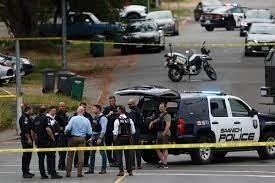
In recent months, a striking narrative has circulated online claiming a sudden transformation of the United States beginning January 1, 2025—a purported sequence of catastrophic attacks, environmental disasters, and nationwide emergency measures that allegedly pushed the country into a permanent state of “High Alert.” The story portrays simultaneous crises, mysterious atmospheric phenomena, infrastructure breakdowns, and sweeping federal control. While compelling as a dramatic account, these claims must be approached with careful scrutiny and evidence-based evaluation.
According to the narrative, three major attacks occurred within a four-hour window at the start of 2025, followed by unusual lightning displays and a dense fog spreading across dozens of states. These events supposedly triggered nationwide panic and disrupted daily life. Yet, no verified government reports, major news investigations, or official emergency records confirm any coordinated attacks or unexplained atmospheric events on that date. Analysts caution that dramatic storytelling often blends genuine concerns—such as severe weather or infrastructure challenges—with exaggerated or fictionalized elements.
The story also describes a historic snowstorm that allegedly crippled the national power grid, leaving millions without heat and burying major highways under deep drifts. While winter storms periodically affect regional power systems, agencies such as the Federal Energy Regulatory Commission and the North American Electric Reliability Corporation report no nationwide grid collapse during early 2025. Severe weather remains a real risk, but the scale described in the narrative does not align with verified data.
The narrative further claims devastating wildfires erupted immediately after the snowstorm, destroying entire communities across multiple regions. Wildfires are indeed a persistent challenge, especially in western states during drought conditions. However, FEMA, the National Interagency Fire Center, and state emergency services maintain detailed public records of wildfire activity, none of which support a simultaneous nationwide wildfire crisis of the magnitude described.
Another dramatic element involves a supposed shift toward permanent federal “High Alert” measures, including widespread National Guard patrols, increased centralized control, and broad restrictions on transportation and public life. In reality, U.S. emergency preparedness operates under clearly defined legal frameworks. While temporary National Guard deployments do occur during disasters or public emergencies, there has been no national declaration instituting a permanent, sweeping emergency security posture resembling that described in the narrative.
Experts in information analysis note that such stories often spread quickly online because they combine recognizable themes: climate disasters, infrastructure vulnerability, and political uncertainty. When these elements are woven together, the narrative feels plausible—even when the events themselves are unsupported by evidence. Digital platforms amplify these stories far faster than fact-checking can keep pace.
This does not mean the concerns within the narrative are entirely misplaced. Climate-related disasters, infrastructure resilience, energy security, and emergency preparedness remain genuine policy issues. Investments in grid modernization, wildfire mitigation, and disaster response planning continue because authorities recognize the potential for extreme events. Addressing these challenges effectively requires accurate information, not dramatic speculation.
Ultimately, sensational accounts of national crises serve as a reminder of the value of reliable information and public trust in the digital age. When claims emerge about large-scale disasters or sudden political transformation, the most responsible response is careful verification through credible sources. In an era where narratives can travel faster than facts, the ability to distinguish documented events from imaginative scenarios is an essential component of modern media literacy.