ACTOR JAMES RANSONE TAKES HIS OWN LIFE AGED 46 AS POLICE RELEASE NEW HEARTBREAKING DETAILS!

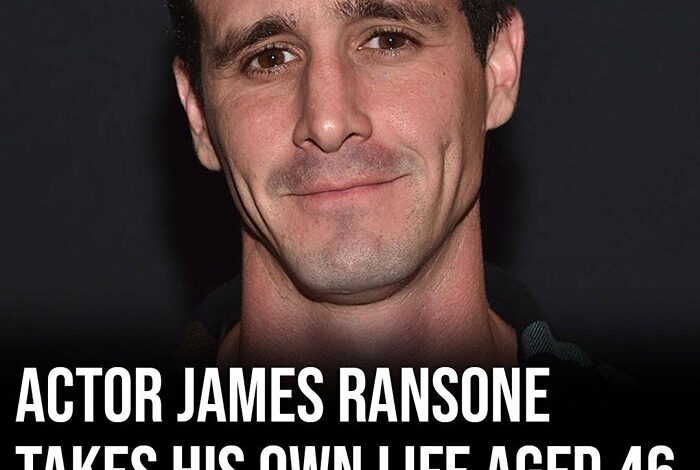
The sudden news of James Ransone’s passing at just 46 has reverberated across the film and television world like a shockwave. Known for a raw, electric intensity, Ransone’s performances didn’t merely entertain—they unsettled, exposed, and illuminated the hidden corners of the human psyche. His work traced the fragile, often jagged edges of human emotion, mapping the messy terrain of addiction, trauma, and survival. From the gritty docks of Baltimore in The Wire to the supernatural horrors of Sinister and the haunted adolescence of It: Chapter Two, he consistently brought a bracing honesty to characters most actors might shy away from. His death in Los Angeles, ruled a suicide, is a tragic punctuation on a life lived at the intersection of brilliance and vulnerability.
Roots of Resilience and Restlessness
Ransone’s early life was shaped by the long, quiet shadow of war. The son of a wounded Green Beret, he grew up surrounded by the subtle yet persistent echoes of trauma—the invisible tremors of experiences that never fully healed. For a sensitive, restless child, conventional paths offered little comfort. His salvation arrived in the form of the Carver Center for Arts and Technology, where acting became more than a craft—it became a lifeline. What others saw as “jagged edges” were, for Ransone, tools of survival. The theater taught him that vulnerability could be wielded as strength, that pain could translate into art, and that authenticity could command attention in a world obsessed with performance.
The Architect of the Damaged and the Haunted
Ransone’s career was defined by fearlessness. His breakout role as Ziggy Sobotka in The Wire’s second season remains iconic—a portrait of desperation, impulsivity, and tragic ambition. Ziggy’s struggles weren’t merely narrative beats; they were lived, breathed, and carried with an authenticity that made the character’s ultimate downfall feel both inevitable and profoundly heartbreaking.
He carried the same uncompromising energy into genre cinema. In Sinister, he anchored audiences amidst supernatural terror. In It: Chapter Two, he inhabited the adult Eddie Kaspbrak with nervous precision, capturing the enduring echoes of childhood trauma. And in Generation Kill, he momentarily stepped into the life of a Marine—a bridge to the experiences of his own father—turning art into a conduit for personal history. Across roles, Ransone specialized in characters that teetered on the edge, drawing the audience into their fragility without judgment.
Radical Honesty Off-Camera
Beyond the screen, Ransone’s life mirrored the same relentless honesty he brought to his roles. He spoke openly about his heroin addiction and the grueling path to sobriety, refusing to frame recovery as a tidy, Instagram-ready redemption arc. He also shared the painful truth of childhood sexual abuse, breaking the silence that many men carry, and offering his visibility as a mirror for others grappling with similar scars. In these revelations, he transformed private suffering into public courage, demonstrating that survival itself could be a form of art.
Yet his death underscores the brutal reality of mental illness: even those who confront darkness with bravery, who build lives of family, meaning, and creativity, are not invincible. His passing is a stark reminder that courage does not immunize one from pain.
Legacy and the Fight for Awareness
In the wake of Ransone’s death, his family—his wife Jamie and their two children—have chosen to transform grief into action. They are committed to continuing his work in mental health advocacy, offering resources and visibility for those navigating similar struggles. His life and death emphasize the urgent need for societal awareness around male mental health, intergenerational trauma, and the long-term consequences of addiction.
The public conversation sparked by Ransone’s passing is more than remembrance; it is a call to recognize the unseen battles fought by so many, and to create a culture where help is available, stigma is diminished, and honesty is honored.
A Unique Voice Silenced
What made Ransone’s absence so palpable was the singularity of his presence. He was not a conventional leading man; he was a master of human complexity. His performances captured the awkward, painful, and often hidden aspects of existence, turning fractured characters into mirrors of our own struggles. Every role he took on—whether manic, fragile, or fiercely loyal—contained pieces of himself, his pain, and his resilience.
Fans revisiting his work will now experience it with a new resonance: the manic energy of Ziggy, the tension of the Deputy, the hyper-alert Marine, all cast in a somber light by the knowledge of the man behind the roles. His craft was a gift, a sustained dialogue with audiences about struggle, vulnerability, and truth.
Remembering the Fighter
James Ransone’s life should be celebrated not for its tragic conclusion, but for the fearless intensity with which he lived and created. He was a man who transformed jagged edges into artistry, who confronted trauma and addiction with unflinching honesty, and who used performance to illuminate the shadows we often try to ignore.
The Los Angeles skyline may now feel a little dimmer, but his work remains: films, television, interviews, and the indelible mark of a performer unafraid to explore the abyss. Ransone’s story is one of relentless struggle, profound courage, and the enduring power of truth. While we mourn his passing, we also honor the legacy he left—by continuing conversations about mental health, by embracing honesty in our own lives, and by witnessing the brilliance of a man who lived fully, fought bravely, and left a silence worth filling with truth.
His was a life of art in its purest, most unflinching form—a life that reminds us, in both grief and admiration, that even in the darkest moments, the act of witnessing and expressing truth can be a gift that lasts long after we are gone.