What Vertical Ridges on Your Nails Really Mean, Why They Become More Noticeable With Age, How Everyday Habits and Nutrition Influence Nail Texture, and When Subtle Changes Might Be Worth Paying Closer Attention To

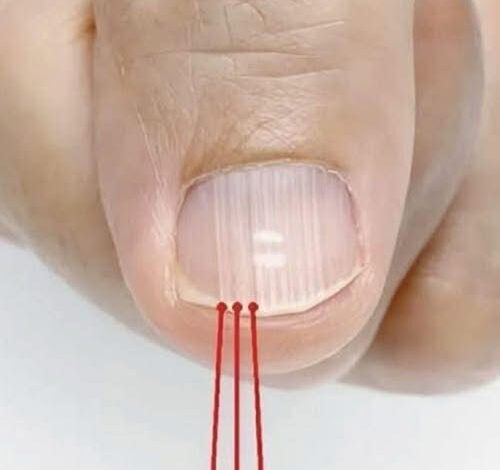
Vertical ridges on the fingernails are one of those subtle changes many people don’t notice—until suddenly they do. Under bright lighting or while applying polish, you might see faint lines running from the base of the nail to the tip. Naturally, this can raise concern. Because nails often feel like indicators of health, any visible change may seem like a message from the body.
The good news is that vertical ridges are very common — and in most cases, completely harmless.
What Vertical Nail Ridges Are
These lines, known as longitudinal ridges, run from the cuticle upward to the edge of the nail. They form as the nail grows from the nail matrix beneath the skin.
If nail cell production becomes slightly uneven — something that naturally happens over time — the surface of the nail may develop these raised lines.
They may appear:
- Faint or smooth
- Slightly raised
- More noticeable on some nails than others
It’s also normal for them to vary between hands.
Aging Is the Most Common Cause
The leading cause of vertical ridges is simply aging.
As we get older, cell turnover slows — including in the nails. Nail growth may become less uniform, leading to subtle texture changes. Much like fine lines in the skin or shifts in hair texture, these ridges are usually just a natural part of the aging process.
Medical professionals often consider them a normal variation rather than a health concern.
Why They Sometimes Become More Noticeable
Even if ridges have existed for years, they can suddenly stand out more due to external factors such as:
- Dry skin or dehydration
- Frequent handwashing
- Exposure to cleaning products
- Alcohol-based sanitizers
- Cold or dry air
When nails lose moisture, their texture becomes more visible.
The Role of Hydration
Nails are porous and easily lose moisture. When dry, surface irregularities become more pronounced.
Ridges often appear more noticeable:
- In winter
- After repeated washing
- When cuticles are neglected
Moisturizing the nails and surrounding skin can help improve their appearance.
Nutrition and Nail Health
While most ridges are age-related, nutrition can play a role when deficiencies exist.
Key nutrients for nail health include:
- Biotin – supports keratin
- Iron – aids oxygen delivery
- Zinc – supports cell repair
- Protein – essential for nail structure
If ridges appear alongside symptoms like fatigue, brittle hair, or pale skin, it may be worth discussing diet with a healthcare provider. However, most people with ridges do not have nutritional deficiencies.
Habits That Can Make Ridges Look Worse
Certain routines don’t cause ridges but can exaggerate them:
- Excessive buffing
- Frequent use of acetone removers
- Continuous artificial nail use
- Aggressive cuticle pushing
Over time, these can weaken the nail surface.
When Ridges Are Usually Harmless
Vertical ridges are typically benign when they:
- Develop gradually
- Cause no pain
- Don’t involve color changes
- Aren’t accompanied by swelling
When to Seek Medical Advice
Rarely, nail changes may relate to health issues — but usually alongside other signs.
Watch for:
- Sudden ridge development
- Nail discoloration
- Thickening or thinning
- Nail separation
- Pain or inflammation
These changes deserve professional evaluation — not because they’re likely serious, but because they should be understood.
Vertical vs. Horizontal Ridges
This distinction matters:
- Vertical ridges: Common and usually harmless
- Horizontal ridges (Beau’s lines): May signal illness, injury, or stress
Supporting Healthy Nails
You may not eliminate ridges entirely, but you can improve nail appearance with:
- Daily moisturizing
- Staying hydrated
- Balanced nutrition
- Wearing gloves during cleaning
- Gentle nail care
A Perspective Shift
Small physical changes can affect confidence, especially when they’re visible. But vertical ridges are often just a natural part of the body’s evolution over time.
Understanding them replaces worry with reassurance.
Final Thought
Vertical nail ridges are one of the most common nail features — and rarely a cause for concern. They usually reflect time, environment, and daily habits rather than illness.
Caring for your nails matters. But so does understanding that not every change signals a problem.
Sometimes, awareness brings more peace than correction ever could.