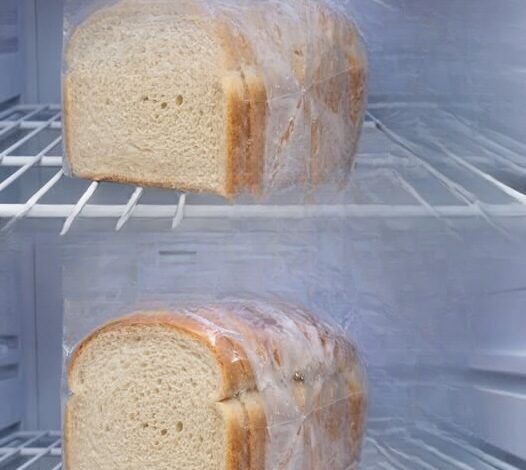
How to Freeze Bread the Right Way (and Make It Taste Fresh Every Time)
Freezing bread is one of the easiest and most effective ways to always have fresh bread available. Whether you’re balancing work and family life, buying in bulk to save money, or simply enjoying variety, nothing is more disappointing than watching a good loaf turn stale or dry before you can finish it.
The good news? With the right approach, nearly any bread—sandwich loaves, bagels, sourdough, gluten-free, or artisan styles—can be frozen successfully and still taste great weeks or even months later.
This guide explains how to freeze bread properly, how to thaw it without losing texture, and how to avoid common mistakes. By the end, you’ll know how to reduce waste, save money, and enjoy soft, flavorful bread whenever you want.
Why Freezing Bread Works
Bread begins to stale as soon as it’s exposed to air. Moisture slowly escapes, and starch molecules change structure, causing the crumb to harden.
Freezing dramatically slows this process. When done correctly, it preserves moisture, flavor, and texture far better than refrigeration or room-temperature storage. The key isn’t just freezing—it’s how you prepare, package, and thaw the bread.
The Best Way to Freeze Bread (Step by Step)
1. Slice First
Always slice bread before freezing. Frozen loaves are difficult to cut cleanly, while pre-sliced bread allows you to take out only what you need.
Tip: Use a serrated knife to keep soft bread from compressing.
2. Freeze Slices Separately
Lay slices flat on a parchment-lined baking sheet, making sure they don’t touch. This prevents them from sticking together.
- For bagels or muffins, place parchment between halves.
- Freeze for 2–3 hours until solid.
3. Store Airtight
Transfer frozen slices into freezer-safe bags or containers. Press out as much air as possible—air is the main cause of freezer burn.
- Vacuum sealing offers the longest storage time.
- Label bags with dates.
- Bread keeps well for up to 3 months, though best quality is within 1–2 months.
How to Thaw Frozen Bread
Room Temperature
Set slices out for 15–20 minutes. They’ll soften naturally and be ready to eat.
Toaster
Frozen bread can go straight into the toaster. Use the defrost setting if available—perfect for bagels and sandwich bread.
Oven
For whole loaves or crusty bread, wrap in foil and heat at 350°F (175°C) for 10–15 minutes to restore warmth and crispness.
Common Freezing Mistakes
Avoid these to maintain quality:
- Freezing whole, unsliced loaves
- Leaving excess air in packaging
- Freezing bread while warm or damp
- Forgetting to label storage dates
- Freezing bread with butter or spreads already added
Tips by Bread Type
Sandwich Bread
- Slice evenly
- Freeze flat
- Ideal for toast and quick sandwiches
Bagels
- Slice first
- Separate halves with parchment
- Toast directly from frozen
Artisan & Sourdough
- Slice before freezing
- Wrap tightly in foil, then bag
- Reheat in the oven to revive crust
Gluten-Free Bread
- Wrap slices individually
- Thaw gently or toast straight from frozen
Sweet & Enriched Breads (Brioche, Raisin, Cinnamon)
- Seal tightly to preserve moisture
- Light toasting enhances flavor
Dense Breads (Rye, Whole Wheat, Multigrain)
- Slice evenly
- Allow slightly longer thaw time
- Brief oven reheating improves texture
Why Proper Packaging Matters
Staling occurs due to starch crystallization and moisture loss. Freezing slows both processes, while airtight packaging prevents freezer burn.
Fast freezing creates smaller ice crystals, helping preserve crumb structure and preventing dryness when thawed.
Keeping Bread Organized in the Freezer
- Label bags by type and date
- Freeze slices individually before stacking
- Store heavier loaves at the bottom
- Keep thinner slices on top to prevent crushing
An organized freezer makes bread easier to access and helps maintain quality.
Homemade vs. Store-Bought Bread
Homemade bread often lacks preservatives and contains more moisture, which makes careful freezing especially important.
For homemade bread:
- Cool completely
- Slice before freezing
- Double-wrap (plastic wrap + freezer bag)
Store-bought bread freezes well too, even with preservatives, as long as air exposure is minimized.
Short-Term Storage (When Freezing Isn’t Needed)
If you’ll use bread within a few days:
- Store in a breadbox or airtight container
- Keep away from heat and sunlight
- Avoid refrigeration—it accelerates staling
Creative Uses for Frozen Bread
Frozen bread isn’t just for sandwiches:
- French toast – firmer slices absorb custard better
- Bread pudding – perfect for cubing
- Croutons – toss with oil and bake
- Breadcrumbs – process straight from frozen
- Grilled sandwiches – lightly thaw before cooking
Why Freezing Bread Makes Sense
Freezing bread:
- Reduces food waste
- Saves money on bulk purchases
- Keeps multiple varieties on hand
- Adds convenience to daily meals
It’s a small habit with a big payoff.
Final Thoughts
Freezing bread correctly is simple once you understand the process. With proper slicing, airtight storage, and thoughtful thawing, almost any loaf can be preserved at peak quality.
Whether your bread is homemade or store-bought, soft sandwich bread or crusty sourdough, freezing it the right way ensures fresh-tasting bread is always within reach—no waste, no stress, no disappointment.