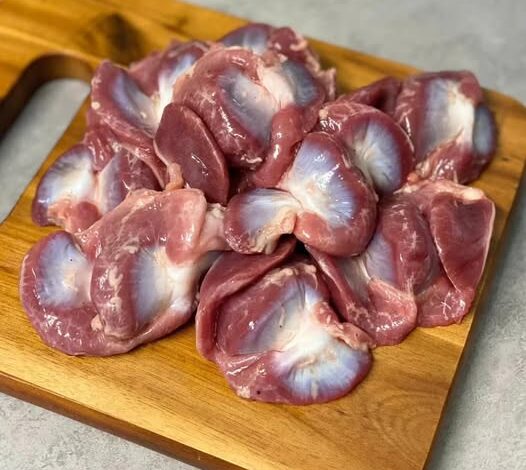
The Overlooked Superfood of 2026: Why Chicken Gizzards Deserve a Second Look
In the high-cost food environment of 2026—where grocery bills fluctuate weekly and “superfoods” often come with luxury price tags—one of the most nutritionally dense foods remains quietly ignored. Chicken gizzards, frequently dismissed as undesirable “offal,” offer an unusual combination of affordability, nutrient density, and functional protein that rivals many modern supplements.
While most shoppers gravitate toward familiar cuts like breasts and thighs, those who understand nutrition beyond marketing recognize the gizzard as more than a budget option. It is a biologically specialized muscle packed with minerals, vitamins, and structural protein—built by nature for endurance and efficiency.
The Gizzard’s Unique Design: A Muscle Built for Work
To understand the gizzard’s value, it helps to understand its function. Chickens do not chew. Instead, they rely on the gizzard—a thick, powerful muscular organ—to grind grains, seeds, and fibrous material using sheer mechanical force.
This constant workload transforms the gizzard into an exceptionally dense muscle. Unlike softer organ meats, it has a firm, meaty texture that reflects its purpose. That strength translates directly to its nutritional profile: lean protein, minimal fat, and a high concentration of minerals required to sustain constant activity.
In practical terms, the gizzard is closer to an athletic muscle than an internal organ—and it eats like one when prepared properly.
Nutritional Density That Rivals Supplements
The claim that gizzards can compete with certain supplements isn’t marketing hype—it’s a reflection of how concentrated their nutrients are.
High-Quality Protein
A modest 3-ounce serving delivers roughly 20 grams of complete protein with less than 3 grams of fat. As protein powders and bars continue rising in cost, gizzards offer a whole-food alternative that requires no processing and delivers excellent bioavailability.
Vitamin B12 for Energy and Cognition
Gizzards are exceptionally rich in vitamin B12, a nutrient essential for nerve health, red blood cell production, and mental clarity. In a population increasingly affected by fatigue and cognitive fog, naturally occurring B12 is especially valuable.
Iron That Actually Absorbs
The iron in gizzards is heme iron—the form the body absorbs most efficiently. This supports oxygen transport, metabolic energy, and anemia prevention, especially important for active individuals and those with higher iron demands.
Selenium and Zinc for Immune Resilience
Selenium functions as a powerful antioxidant, while zinc supports immune defense, tissue repair, and cellular communication. Together, they form a foundation for long-term health and recovery.
Choline: The Overlooked Nutrient
Choline plays a critical role in brain function, liver health, and cell membrane integrity. Despite its importance, it’s often deficient in modern diets. Gizzards provide one of the most affordable natural sources available.
Solving the Texture Problem: The Right Way to Cook Gizzards
Most gizzard skeptics were turned off by one thing: toughness. Because the gizzard is a heavily worked muscle, it contains connective tissue that tightens under high heat.
Cook it incorrectly, and it becomes rubbery. Cook it correctly, and it becomes tender, rich, and deeply satisfying.
The Slow-Cook Foundation
The most reliable method is gentle simmering or braising. Cooking gizzards slowly in seasoned liquid—alongside aromatics like garlic, bay leaf, and peppercorns—for 45 to 60 minutes breaks down collagen and transforms the texture completely.
This step isn’t optional; it’s the difference between disappointment and success.
Finishing for Flavor and Texture
Once tender, gizzards become incredibly versatile:
- Lightly breaded and flash-fried, they turn into crispy, bite-sized snacks with a soft interior.
- Sautéed after braising, they develop a rich, savory crust.
- Added to stews, they provide depth and structure without excess fat.
The contrast between crisp exterior and tender interior is what has made fried gizzards a regional staple in parts of the U.S.
A Global Ingredient with Cultural Depth
As global flavors continue shaping home cooking in 2026, gizzards fit seamlessly into bold cuisines.
- Filipino adobo preparations—slow-braised in vinegar, soy sauce, garlic, and black pepper—highlight the gizzard’s ability to absorb intense flavor.
- Szechuan-style stir-fries pair the firm texture with chilies, fermented sauces, and aromatics without the meat breaking down.
- Latin American stews use gizzards for depth, richness, and protein without excessive cost.
Few cuts adapt this well across culinary traditions.
Why Gizzards Make Economic Sense in 2026
With premium meats reaching record prices and supply chains under pressure, gizzards remain remarkably affordable—often selling for a fraction of the cost of chicken breasts or wings.
They also align with the growing “nose-to-tail” movement, which emphasizes ethical consumption and reduced waste. Using the whole animal respects resources and reduces environmental impact—a priority for many modern consumers.
Choosing gizzards isn’t just economical; it’s conscientious.
Health Considerations and Moderation
Like most organ-related meats, gizzards contain more cholesterol than white meat. For healthy individuals, dietary cholesterol has little effect on blood levels, but moderation is wise for those with specific conditions.
Gizzards also contain purines, which may require caution for individuals prone to gout.
For maximum nutritional benefit, many recommend sourcing pasture-raised or organic gizzards, as birds with varied diets and higher activity levels tend to produce more mineral-dense muscle tissue.
Final Thoughts: Rediscovering a Forgotten Asset
Chicken gizzards are proof that value and nutrition don’t always come wrapped in premium packaging. With a small investment of time and the right cooking method, they deliver exceptional returns—high-quality protein, essential nutrients, and serious cost savings.
In a food culture obsessed with novelty and expensive solutions, the gizzard stands as a reminder that some of the most effective nourishment has been here all along.
Next time you browse the meat aisle, look beyond the predictable choices. That humble package of gizzards isn’t a compromise—it’s a strategic upgrade.