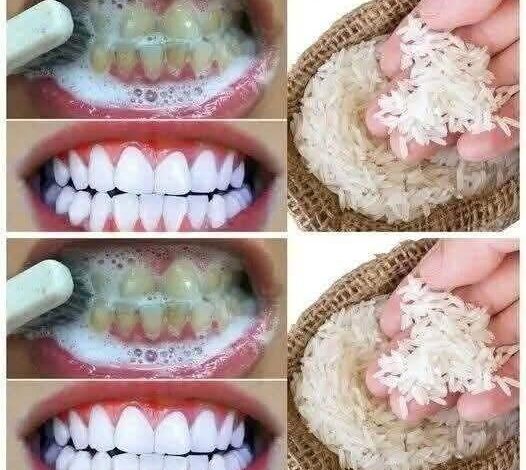
The pursuit of a brighter smile has always inspired home remedies, but in early 2026 a new wave of “kitchen-counter dentistry” has gained traction online. One of the most widely shared hacks involves grinding rice into flour and mixing it with lemon juice, olive oil, and toothpaste to create a DIY whitening paste. Viral videos promise visible results in about a minute, framing the method as cheap, natural, and effective.
Dental professionals, however, say the science behind the quick transformation tells a different story.
What’s Really Happening in That 60 Seconds
The immediate brightening effect users report is not true whitening in the clinical sense. Instead, it typically comes from two processes:
1. Mechanical abrasion.
Finely ground rice flour can act as a coarse abrasive. When rubbed against enamel, it may scrub away some surface stains — particularly those from coffee, tea, or tobacco. This can temporarily make teeth appear cleaner.
2. Acid exposure and dehydration.
Lemon juice contains citric acid, which softens enamel by lowering the pH in the mouth. Acid can temporarily dehydrate the enamel surface, creating a chalkier, lighter appearance as light reflects differently off the tooth. But that whiteness often fades as teeth rehydrate with saliva.
The concern isn’t just that the effect is temporary — it’s that repeated exposure to abrasion and acid can wear down enamel over time.
Why Enamel Matters
Enamel is the hard outer layer of the tooth, and while it’s the strongest substance in the human body, it does not regenerate. Once it’s thinned or eroded, it cannot grow back.
Frequent use of acidic or abrasive substances can lead to:
- Increased tooth sensitivity (especially to hot, cold, or sweet foods)
- Higher risk of cavities
- Greater visibility of dentin, the yellowish layer beneath enamel
- Surface roughness that can actually attract more stains
Ironically, as enamel thins, teeth may begin to look darker in the long run because the underlying dentin becomes more visible.
The Illusion of “Natural” Safety
A common misconception behind many viral dental hacks is that “natural” equals “safe.” But many natural substances — including citrus acids — are biologically potent. Citric acid can soften enamel significantly if exposure is frequent or prolonged. Abrasives, even food-based ones, can damage tooth surfaces if not properly formulated.
Dentists have reported an increase in erosion-related cases linked to acidic DIY treatments, including lemon juice and vinegar-based whitening trends.
Safer Approaches to a Brighter Smile
If the goal is a whiter appearance without compromising enamel, experts typically recommend:
- Limiting staining exposure. Rinse with water after coffee, tea, or red wine.
- Maintaining consistent oral hygiene. Brushing twice daily with fluoride toothpaste helps prevent buildup that dulls enamel.
- Using baking soda cautiously. Baking soda is mildly abrasive and alkaline, which may help neutralize acids — but it should only be used occasionally.
- Choosing ADA-approved whitening products. Whitening strips and gels use controlled concentrations of peroxide to break down stain molecules inside the tooth rather than scraping the surface.
- Consulting a dentist. Professional whitening options can offer more predictable results while minimizing enamel risk.
The Bigger Picture
The popularity of the rice flour trend highlights a broader reality of social media: quick visual results often overshadow long-term health considerations. A one-minute transformation may look compelling on camera, but enamel health depends on consistent, protective habits rather than dramatic shortcuts.
A bright smile isn’t just cosmetic — it’s structural. Protecting enamel today helps prevent sensitivity, discoloration, and costly dental work later. In the end, sustainable oral care will always outperform a viral fix.