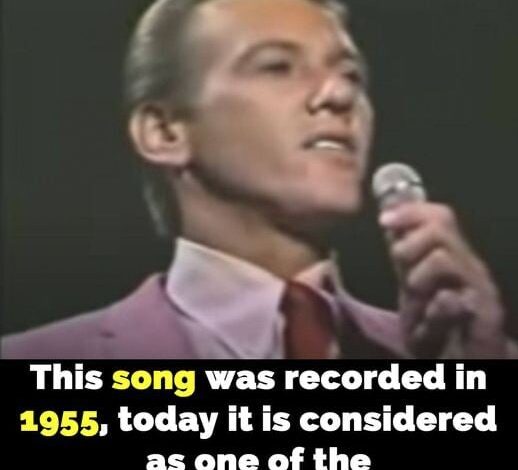
Originally written as the theme for the little-known 1955 prison film Unchained, “Unchained Melody” could easily have disappeared into cinematic obscurity. Instead, the song outlived its source material, carried forward by a melody that felt timeless from the start. Composer Alex North and lyricist Hy Zaret created something far more enduring than a soundtrack piece — they wrote a longing that listeners recognized instantly as their own.
A decade later, The Righteous Brothers redefined it. Their 1965 recording, produced with stark simplicity by Bill Medley and driven by Bobby Hatfield’s soaring, almost fragile lead vocal, reshaped the song’s emotional architecture. Hatfield didn’t just sing the lyrics — he stretched them, suspended them, let them tremble. The high notes felt less like performance and more like confession. That version turned “Unchained Melody” into a cultural touchstone.
Elvis Presley later embraced the song during his final years on stage. In those performances, the vulnerability embedded in the melody seemed amplified. His renditions often carried visible strain, which only deepened the song’s themes of yearning and devotion. It became not just a love song, but a meditation on distance, absence, and the fragile hope that love survives both.
Over time, more than 670 artists have recorded their own interpretations. The arrangements shift — orchestral, stripped-down, gospel-tinged, contemporary — yet the core remains intact. The opening line still lands like a sigh. The melody still swells with restrained ache. The central plea remains universal: wait for me, believe in us, hold on.
That endurance explains why the song continues to resonate decades after its creation. “Unchained Melody” doesn’t belong to one era or voice. It feels intimate, almost private, as if overheard rather than broadcast. In a world that constantly reinvents itself, its message remains unchanged — love, fragile but persistent, reaching across time and uncertainty, asking to be remembered.