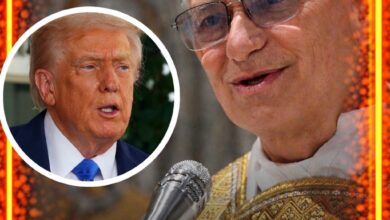
A ceremony meant to honor extraordinary sacrifice unfolded in an atmosphere that many observers later described as uneasy and unexpectedly tense. The East Room of the White House—often used for the nation’s most solemn recognitions—had been prepared for a Medal of Honor presentation, the United States’ highest military decoration. Such events traditionally center on the courage and service of those who risk or give their lives in defense of the country. Families, military officials, and invited guests gathered expecting a moment defined by reverence, gratitude, and reflection.
The ceremony also took place during a period of significant international tension. News reports about rising instability in the Middle East and the loss of several American service members had already left many Americans anxious and grieving. For the families in attendance, the event carried an especially heavy emotional weight. It was meant to be a public acknowledgment of sacrifice—a reminder that the nation recognizes and honors those who serve in its defense.
At first, the proceedings followed the familiar structure of such occasions. Military officials described the actions that had led to the award, recounting the bravery and determination shown under extraordinary circumstances. These narratives are often deeply personal, highlighting moments in which individuals chose courage despite overwhelming danger. For many in the audience, hearing those stories can be both inspiring and painful, particularly for families who have lost loved ones in similar situations.
As the ceremony continued, however, the tone began to shift in ways that some attendees found surprising. During remarks delivered from the podium, the speaker briefly moved away from the subject of military service and began discussing aspects of the White House itself, including ongoing renovations and architectural details. What may have been intended as a light aside about the historic building and its appearance struck some listeners as an unusual detour given the solemn purpose of the event.
In the course of those comments, a short remark referencing Melania Trump—related to the disruptions caused by renovation work—drew attention. The line was brief, delivered in a joking manner, but its placement in the context of a ceremony honoring fallen service members caused a ripple of discomfort among some observers. The contrast between the deeply serious subject of military sacrifice and a moment of humor about domestic matters felt jarring to certain people in the room.
Ceremonies recognizing military valor often rely on a very specific tone: solemn, focused, and respectful. Because the events involve families who have experienced profound loss, even small departures from that tone can stand out sharply. For those attending with fresh grief, the emotional atmosphere is fragile, and the expectation is that the spotlight will remain firmly on the service members being honored.
The episode quickly drew attention from commentators and political observers after the ceremony concluded. Some critics argued that the remarks reflected a broader tendency in modern political communication to shift attention toward personal narratives or off-the-cuff commentary, even during formal occasions. In their view, moments dedicated to honoring military sacrifice should remain tightly focused on the individuals and families being recognized.
Supporters of the speaker interpreted the situation differently. They viewed the comment as a casual aside that reflected an unfiltered speaking style rather than a deliberate attempt to diminish the significance of the ceremony. For them, the willingness to speak informally—even in formal settings—is often framed as a sign of authenticity rather than disrespect.
The divergent reactions highlight the deep political polarization that continues to shape public life in the United States. Events that once might have been interpreted uniformly now often become flashpoints for broader debates about leadership style, decorum, and the expectations placed on public officials.
For the families who attended the ceremony, however, the day’s central meaning remained tied to the recognition of service and sacrifice. The Medal of Honor represents extraordinary courage—acts carried out in circumstances where personal survival was uncertain and the stakes were immeasurably high. For many military families, receiving the medal on behalf of a loved one is both a profound honor and a painful reminder of loss.
Despite the surrounding controversy, the stories of bravery that led to the award remained the core of the event. The accounts of service members placing themselves in harm’s way to protect others are the reason such ceremonies exist in the first place. Those narratives are intended to remind the country of the values that the medal represents: duty, courage, and selflessness.
The public discussion that followed the ceremony illustrates how symbolic moments can take on larger meaning during periods of national uncertainty. With international tensions rising and domestic political debates intensifying, even brief remarks delivered at formal events can become part of a broader conversation about leadership and national priorities.
For some observers, the incident serves as an example of how easily solemn moments can become entangled with personal or political narratives. For others, it underscores the complicated reality of modern political communication, where unscripted comments can travel instantly across media platforms and shape public perception in ways that were once impossible.
In the end, the ceremony will likely be remembered for two parallel reasons. On one level, it was another chapter in the long tradition of honoring military heroism—a tradition that seeks to recognize individuals whose actions represent the highest ideals of service. On another level, it became a reminder of how sensitive and symbolic such moments can be, especially when they unfold against the backdrop of national grief and international uncertainty.
For the families present, the medals awarded that day carry a meaning far deeper than any controversy that followed. They represent the courage and sacrifice of loved ones whose stories are now part of the nation’s history. And regardless of the political debates that may continue, those acts of service remain the true reason the ceremony took place.