In the complex world of human interaction, communication extends far beyond spoken language. Our bodies constantly send signals that reflect our emotions, confidence, and state of mind. While people often focus on facial expressions or tone of voice, posture and movement—especially in the legs—also reveal subtle information about how someone feels and carries themselves. In a time when awareness of non-verbal communication is increasingly valued, understanding these signals can offer meaningful insight into personal expression and individuality.
The way a woman walks, stands, or shifts her weight often reflects her comfort level and sense of self. Body posture quietly communicates confidence, relaxation, or tension. Beyond fashion or social expectations, the physical structure of the legs—the bones, joints, and muscles—is shaped largely by genetics and natural anatomy. Straight legs, curved legs, or variations in alignment are simply part of the diversity of the human body.
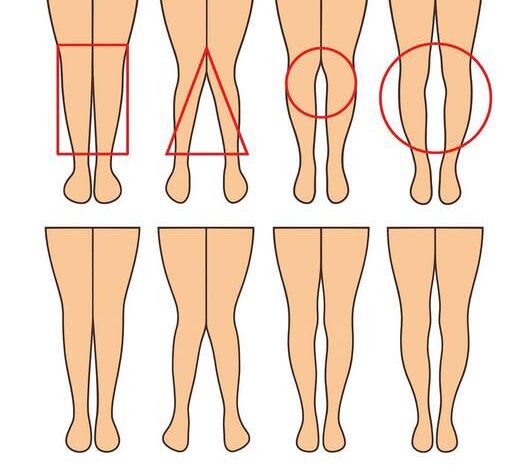
For example, the spacing between the thighs or the way the knees align has often been overemphasized in beauty standards. In reality, these features are mostly determined by pelvic structure and bone alignment rather than lifestyle choices. Such traits are normal biological variations rather than indicators of health, attractiveness, or fitness. Recognizing this helps challenge unrealistic expectations that society sometimes places on appearance.
Although bone structure is largely fixed, daily habits and physical activity can influence muscle tone and strength. Activities like running, cycling, yoga, or dance can strengthen the muscles of the legs and improve balance and endurance. These habits leave visible signs in posture and movement, reflecting an active lifestyle and physical well-being.
In the world of fashion, leg shape and movement often influence clothing choices. Certain styles—such as tailored skirts, wide-leg trousers, or fitted athletic wear—can highlight natural lines of the body and enhance comfort and confidence. Clothing becomes not just decoration, but a way people express personality while working with their natural form.
Some people also interpret posture and movement as hints about personality. A steady, confident stride may suggest self-assurance, while a relaxed stance might indicate calmness or openness. While these interpretations are not scientific conclusions, they show how humans instinctively read body language when forming impressions about others.
At the same time, many women continue to face pressure from narrow beauty standards that focus too heavily on body shape. Modern perspectives increasingly encourage appreciation of strength, function, and individuality instead of rigid ideals. Legs are not simply aesthetic features—they support balance, allow movement, and carry us through daily life.
Every step we take reflects a partnership between body and mind. Movement expresses energy, confidence, and resilience. Legs support us through challenges, help us explore the world, and allow us to move forward both physically and symbolically.
Ultimately, the story of the human body is one of diversity and adaptability. Each person’s posture, gait, and structure reflect a unique combination of genetics, lifestyle, and personal expression. By shifting attention away from judgment and toward understanding, we can better appreciate the natural variety that defines human form.
The simple truth is that bodies are built for movement, strength, and individuality—not for comparison. Every stride, stance, and motion tells a story about the person who carries it. Recognizing that diversity allows us to view the human body not through the lens of unrealistic standards, but as a remarkable expression of resilience and identity.