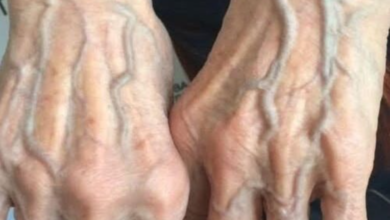
The truth about physical health is that the human body is remarkably intelligent and constantly working to maintain balance. Even in a fast-paced world filled with constant information and daily stress, our bodies quietly communicate what they need. Many of the small signals we experience—changes in cravings, sleep patterns, skin condition, or energy levels—are not random inconveniences. They are often subtle messages that something in our routine, nutrition, or lifestyle may need attention.
Learning to notice these signals with awareness can help us support our health before small issues become larger problems. Rather than seeing symptoms as failures, it can be helpful to view them as the body’s way of asking for adjustment or care. By paying attention and responding thoughtfully—through better nutrition, rest, or professional guidance—we give the body the tools it needs to stay strong and resilient.
Below are several common signals the body may send when something is slightly out of balance, along with possible explanations and supportive habits to consider.
1. Sour Cravings: A Possible Digestive Signal
Occasionally craving sour foods—such as citrus, pickles, or fermented items—can simply be a matter of taste. However, in some cases it may reflect changes in digestion or metabolism. Sour flavors can stimulate saliva and digestive juices, which may help the body process food more efficiently.
Supporting digestion through balanced meals, hydration, and foods like yogurt, fermented vegetables, or lemon water may help maintain digestive comfort. If cravings are persistent or unusual, it can be helpful to discuss them with a healthcare professional.
2. Bleeding Gums: A Sign to Review Oral and Nutritional Health
Bleeding while brushing or flossing is often associated with gum irritation or gingivitis. It may also occur when the body lacks sufficient nutrients that support connective tissue and immune function—particularly vitamin C.
Improving oral hygiene routines and incorporating vitamin-C-rich foods such as citrus fruits, strawberries, bell peppers, and leafy greens can help support gum health. Persistent bleeding should always be evaluated by a dentist or healthcare provider.
3. Muscle Cramps or Poor Sleep: Possible Magnesium Needs
Frequent muscle cramps, restlessness at night, or difficulty relaxing can sometimes be associated with low magnesium intake. Magnesium plays an important role in nerve signaling, muscle relaxation, and sleep regulation.
Foods such as spinach, almonds, pumpkin seeds, beans, and dark chocolate are natural sources of magnesium. Maintaining a balanced diet and consistent sleep routine can also improve overall relaxation and rest.
4. Craving Seafood: Protein or Mineral Demand
A sudden desire for fish or seafood may reflect the body’s need for high-quality protein or minerals such as iodine, selenium, and omega-3 fatty acids. These nutrients support brain health, thyroid function, and cardiovascular wellness.
If seafood is not part of your usual diet, consider including fish like salmon, sardines, or mackerel occasionally, or seek plant-based sources of similar nutrients such as flaxseeds, walnuts, and sea vegetables.
Common Signals and Possible Nutritional Support
| Symptom | Possible Nutritional Need | Helpful Food Sources |
|---|---|---|
| Sour cravings | Digestive stimulation | Fermented foods, citrus |
| Bleeding gums | Vitamin C | Citrus fruits, peppers, berries |
| Muscle cramps or insomnia | Magnesium | Nuts, seeds, leafy greens |
| Brittle hair or nails | B vitamins, minerals | Legumes, whole grains, eggs |
| Dry skin | Healthy fats, vitamin E | Avocados, nuts, seeds |
5. Frequent Sugar Cravings: Blood Sugar Fluctuations
Strong cravings for sweets often appear when blood sugar levels rise and fall quickly. Highly processed sugars can create a cycle where the body seeks more sugar after a rapid energy drop.
Replacing refined sweets with balanced meals containing protein, fiber, and healthy fats—such as fruit with yogurt or nuts—can help stabilize energy levels and reduce cravings over time.
6. Salt Cravings: Electrolyte Imbalance or Stress
Occasionally craving salty foods can occur when the body needs electrolytes, especially after sweating, dehydration, or physical exertion. However, consistently reaching for highly processed salty snacks may not be the best solution.
Hydration, balanced meals, and natural sources of sodium and minerals—such as soups, vegetables, or lightly salted whole foods—can help maintain electrolyte balance.
7. Brittle Hair and Nails: Nutrient Support
Hair and nails rely on nutrients like B-vitamins, protein, iron, and calcium for strength and growth. When intake of these nutrients is low, hair and nails may appear weaker or more fragile.
Eating a varied diet that includes legumes, whole grains, dairy or fortified alternatives, leafy greens, and lean proteins helps provide the building blocks needed for healthy growth.
8. Persistent Dry Skin: Essential Fats and Antioxidants
Dry or rough skin may occur when the body lacks adequate hydration or nutrients that support skin health. Vitamin E, healthy fats, and antioxidants help maintain the skin’s protective barrier.
Foods such as avocados, sunflower seeds, almonds, and fatty fish can provide nutrients that support skin elasticity and hydration.
Listening to the Body
The key to maintaining good health is learning to recognize these signals early and responding with thoughtful care. Small adjustments—such as improving diet quality, staying hydrated, getting enough sleep, and reducing stress—can have a significant impact on overall well-being.
While these signals may offer helpful clues, they should not replace medical advice. Persistent symptoms or sudden changes in health should always be discussed with a qualified healthcare professional.
Ultimately, the body is designed to be resilient. When we pay attention to its signals and support it with balanced nutrition and healthy habits, we give ourselves the best opportunity to maintain long-term vitality and well-being.