A Surprising Discovery in a Child’s Hair Raises Concern, Curiosity, and Urgent Questions as Parents Try to Understand What a Strange Beige Lump Really Is, Why It Appeared, Whether It Is Harmful, and What Steps Should Be Taken Next Safely and Responsibly

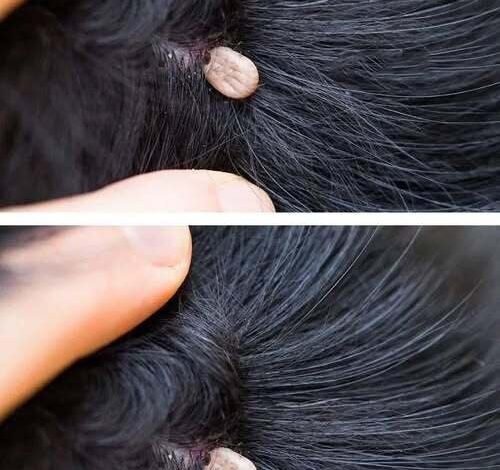
When an ordinary moment suddenly became alarming
What began as a routine moment of care quickly transformed into something unsettling. A parent was gently brushing their child’s hair—an everyday task done countless times before—when something unusual stopped them mid-motion.
At first, it seemed like a small bump hidden beneath the hair. But as the brush moved again, the parent felt it clearly. This wasn’t a tangle or a bit of dirt caught in the strands. Something about it felt different.
Within seconds, concern replaced the calm rhythm of the moment.
A rush of worry and unanswered questions
The realization triggered a wave of anxious thoughts. Parents know that feeling well—the instant mental spiral where possibilities rush in faster than logic can slow them down.
Was it serious?
How long had it been there?
Could it harm the child?
Despite the rising worry, the parent tried to stay composed. Children instinctively read the expressions of the adults around them, and showing fear could quickly make the situation more frightening.
So they continued gently examining the spot, hoping the answer would be something harmless.
The unsettling discovery
Looking closer revealed the truth.
The small lump was not part of the child’s scalp at all. It was a tick—firmly attached and feeding.
The realization brought an immediate sense of shock. Ticks are easy to miss, especially when hidden in thick hair, and they can remain attached for hours or even days without being noticed.
Knowing that this tiny parasite had been there unnoticed made the discovery even more unsettling.
From panic to problem-solving
For a brief moment, fear dominated the situation. Thoughts of illness and potential danger filled the parent’s mind.
But panic only lasted a moment.
Soon determination replaced the initial shock. Instead of imagining worst-case scenarios, the parent began focusing on what needed to be done next.
They started researching quickly—learning how ticks attach to skin, how to remove them safely, and what signs to watch for afterward.
Each piece of information helped turn uncertainty into understanding.
Learning about ticks and how they hide
The parent discovered that ticks often hide in warm, protected areas such as behind the ears, along the hairline, or within the scalp.
Once attached, they slowly feed, swelling as they fill with blood. When engorged, they become easier to notice—but by then they may have already been present for some time.
Understanding this helped explain how the tick had gone unnoticed for so long.
More importantly, it reinforced the importance of regular checks after outdoor play, especially in wooded areas or grassy environments.
A lasting lesson in awareness
In the end, the discovery became more than just a frightening moment. It turned into a learning experience that reshaped the family’s routine.
Outdoor adventures would continue—running through grass, climbing trees, and exploring nature are an essential part of childhood.
But now, those adventures would always end the same way: with a careful check of hair, skin, and clothing.
Not out of fear, but out of awareness.
Because sometimes the smallest discoveries remind us how important it is to stay attentive—even during life’s most ordinary moments.