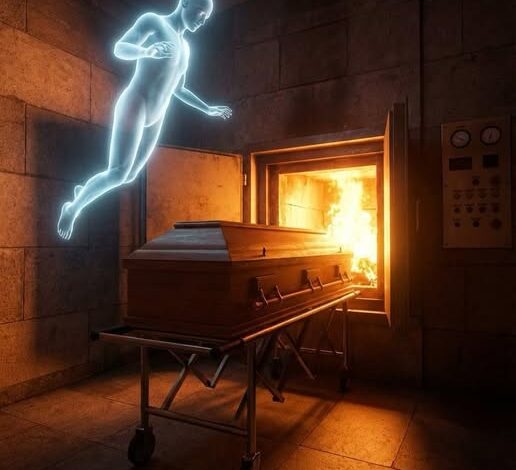
The relationship between faith and end-of-life traditions has long encouraged deep reflection among believers. In recent decades, cremation has become more common in many parts of the United States, leading some people—especially older adults with strong spiritual traditions—to wonder how this practice aligns with biblical teachings. For many, the question is not simply practical but spiritual: how should a body be treated at the end of life in a way that honors both faith and dignity?
Looking at the Bible, burial is clearly the most frequently described method of laying a person to rest. Throughout both the Old and New Testaments, important figures were buried in tombs or in the earth. Abraham was buried in the cave of Machpelah alongside his family. The kings of Israel were laid to rest with honor among their ancestors. Most significantly for Christians, Jesus Christ was placed in a tomb after the crucifixion. Because of these examples, many believers view burial as a meaningful tradition connected to respect, rest, and the hope of resurrection.
The phrase often spoken at funerals—“dust to dust”—reflects the biblical idea that the human body comes from the earth and eventually returns to it. Burial can symbolize a peaceful return to creation, while also expressing hope that death is not the final chapter. In Christian teaching, the body placed in the ground is sometimes compared to a seed that is planted with the expectation of new life. For centuries, this image has helped believers see burial as part of a larger story of faith and renewal.
At the same time, Scripture does not contain a clear command that burial is the only acceptable practice, nor does it explicitly forbid cremation. Much of the Bible reflects the cultural customs of the ancient world, where burial was simply the common practice in that region and time. Because the Bible does not directly address modern cremation practices, many faith leaders emphasize that the heart and intention behind end-of-life decisions matter more than the specific method chosen.
Another important point often discussed in Christian theology is the belief in God’s power over all creation. Throughout history, many faithful people have died in circumstances where traditional burial was impossible—such as during wars, fires, or at sea. Yet Christian belief has never suggested that these circumstances prevent resurrection or eternal life. The hope of resurrection is rooted in divine power, not in the physical condition of a body.
For this reason, many modern Christian communities now view cremation as a personal choice rather than a spiritual conflict. Families may choose cremation for practical reasons such as cost, location, or the wishes of the deceased. What remains most important in many faith traditions is that the body is treated with respect and that the life of the person is honored with dignity.
Memorial services, whether held before burial or after cremation, still serve the same purpose. They allow family and friends to gather, remember a life, share comfort, and reaffirm spiritual hope. For believers, these moments are not only about mourning but also about trusting in God’s promise of eternal life.
Some people worry that cremation might symbolize a rejection of bodily resurrection. However, many theologians explain that resurrection in Christian belief is understood as a transformation brought about by God. The Bible speaks of a new, incorruptible life that goes beyond the limitations of the physical body. In this view, faith rests not in preserving the body itself but in trusting the promise of renewal.
As traditions evolve over time, their spiritual meaning can remain strong. For many families today, cremation is simply another way of entrusting a loved one to God. Whether ashes are placed in an urn, buried, or scattered in a meaningful location, the ceremony can still reflect prayer, remembrance, and hope.
Ultimately, the most important message of faith traditions is not focused on the method of burial but on the promise of life beyond death. For believers, hope rests in the assurance that God remembers and cares for every person. Decisions about funeral arrangements are deeply personal, but they can be made with confidence that faith is rooted in grace, compassion, and trust in the divine.
In the end, the legacy of a life is not determined by the method of burial or cremation, but by the love, faith, and kindness that shaped that person’s journey. For those who believe, death is not the final word. It is simply a transition into the eternal care of the One who created life in the first place.