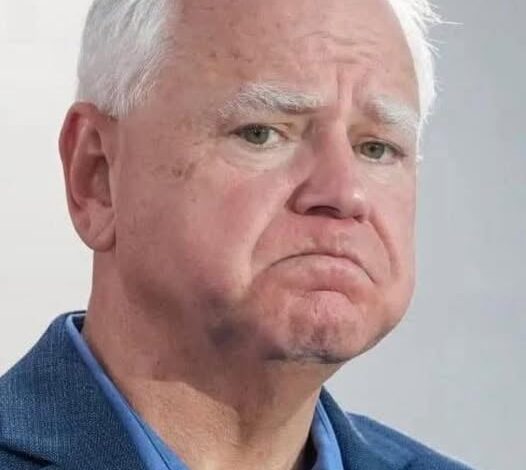
The political climate in the Upper Midwest has recently been stirred by new developments involving Minnesota Governor Tim Walz. In early 2026, Walz has emerged as a prominent voice in national politics following a series of confirmations and policy initiatives that have pushed him beyond the role of a regional leader. What once seemed like a steady state-level career is now evolving into something larger, placing Walz squarely within the broader national conversation about leadership and political direction.
Supporters argue that this moment represents recognition of Walz’s long-standing approach to governance—one grounded in pragmatism, patience, and what many describe as the “Minnesota Nice” style of leadership. Critics, however, are adjusting their strategies as his influence grows. The discussion surrounding Walz has shifted from evaluating his performance in Minnesota to considering what his political rise could mean for the national stage.
The latest confirmation tied to Walz’s work carries significance beyond routine government procedure. It reinforces the identity he has spent decades building: a leader focused on practical solutions, compromise, and advocacy for working families. His background has played a large role in shaping that identity. Walz began as a teacher in rural Minnesota, later serving in the National Guard before entering Congress and eventually the governor’s office. Each chapter of his career helped him cultivate a reputation for listening carefully and approaching policy with restraint rather than spectacle.
This history is part of why the current moment stands out. Walz is no longer operating quietly within state politics. Instead, he is being viewed by many observers as a figure who could influence the national political narrative. At a time when the country is deeply divided, some strategists believe his measured style could appeal to voters who feel alienated by constant partisan conflict.
For political analysts, this phase represents a clear turning point. Minnesota often reflects the tensions present in national politics, and Walz’s ability to manage those dynamics has drawn attention beyond state borders. His focus on everyday economic concerns—often described as “kitchen table issues”—has resonated with both suburban and rural voters. Whether his growing momentum leads to a federal role or simply strengthens his influence on policy debates, it has established him as a figure worth watching in American politics.
The ripple effects surrounding Walz’s rise are not tied to a single decision or announcement. Instead, they stem from a broader legislative agenda that has taken shape over the past year. Throughout 2025 and into 2026, his administration has emphasized investment in infrastructure, improvements to public education, and environmental policies designed to balance economic growth with sustainability. By concentrating on these practical matters rather than engaging in divisive cultural battles, Walz has positioned himself as a leader focused on results.
Even so, greater visibility inevitably brings heightened scrutiny. As Walz’s national profile grows, opponents are examining his record more closely. Critics have begun revisiting his handling of state emergencies, fiscal management, and other key decisions in an effort to challenge the narrative of steady leadership. This intensified examination is typical for political figures who move into the national spotlight.
Within his own party, there is also quiet discussion about how Walz fits into future political strategies. Some leaders see his pragmatic progressivism as a potential model for appealing to a wide range of voters during upcoming election cycles. Others are still assessing how his approach aligns with the broader direction of the party.
Underlying these conversations is a larger question about the role of steadiness and honesty in modern politics. Walz’s rise may reflect a growing fatigue among voters who are weary of constant political confrontation. His philosophy—often summarized as listening first and acting thoughtfully—has struck a chord with people who feel that political debates have become more about performance than solutions.
By emphasizing policies that affect everyday families, Walz has remained consistent with the values he championed during his years as a teacher and public servant. Many supporters believe that authenticity, combined with a clear record of service, can carry more weight with voters than dramatic political messaging.
The broader cultural significance of Walz’s ascent also highlights the appeal of calm and dependable leadership. In a political environment that often feels turbulent, leaders who project stability can become powerful symbols. Walz’s recent confirmation reinforces the idea that collaboration and compromise remain viable tools in American governance.
For his critics, one of the more challenging realities is that Walz’s popularity does not appear to be accidental. His standing has grown through years of consistent messaging and policy decisions rather than sudden political theatrics. That steady approach has helped him transition from a state-focused figure into someone whose influence now extends into national conversations.
As the months ahead unfold, Walz will face the challenge of balancing his responsibilities as governor with the increased attention surrounding his role in national politics. Every decision he makes will likely be interpreted through the lens of potential future ambitions. The recent developments that elevated his profile may serve as a stepping stone toward advisory roles, greater policy influence, or even consideration for a future presidential ticket.
Regardless of the direction his career ultimately takes, Walz’s influence on the political discussion is already growing. He has moved from the periphery of national politics toward its center, carrying with him the message that practical governance and measured leadership still have a place in the American system.
In many ways, Tim Walz’s journey—from classroom teacher to governor and emerging national voice—illustrates the enduring value of steady public service. His story reflects the belief that leadership built on authenticity, patience, and practical solutions can still resonate in an era defined by division. As the nation watches his next steps, it is becoming clear that the once quiet figure from Minnesota now holds a meaningful place in the broader political conversation.