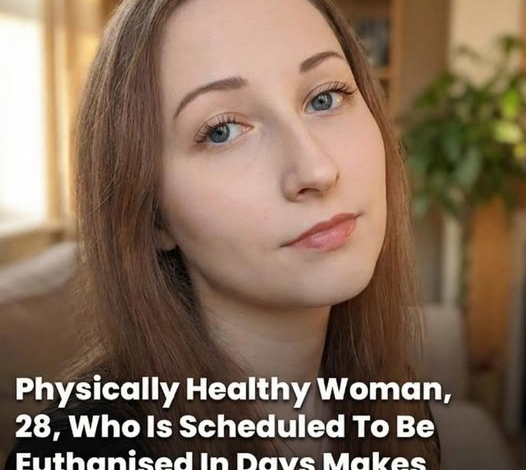
The situation involving Zoraya ter Beek, a 28-year-old woman from the Netherlands, has generated widespread international debate after she openly discussed her decision to seek euthanasia. Unlike many cases that involve terminal physical illness, her request is linked to long-term psychiatric conditions. Because of this, her story has renewed global conversations about medical ethics, personal autonomy, and the ways societies respond to profound mental health struggles. The fact that the circumstances involve psychological suffering rather than a life-threatening physical disease has made the case especially complex and emotionally charged.
In the Netherlands, euthanasia has been legal since 2002 but is regulated under strict legal guidelines. The law allows assisted dying when a patient is experiencing unbearable suffering with no realistic hope of improvement, provided several safeguards are satisfied. For cases involving psychiatric disorders, the evaluation process is particularly rigorous. Independent medical specialists must carefully assess the request and confirm that all legal criteria are met. Ter Beek has spoken publicly about living with severe, treatment-resistant depression, autism, and borderline personality disorder. She has described years of therapy, medication, and psychiatric treatment that, in her experience, failed to provide lasting relief. According to her own statements, the cycle of hope followed by disappointment became part of the emotional weight she carried.
Supporters of assisted-dying legislation argue that psychological suffering can be just as overwhelming as physical pain. They believe that when strict medical and legal standards are followed, individuals should retain the right to make deeply personal decisions about their own lives and medical care. Advocates also emphasize that psychiatric euthanasia requests in the Netherlands undergo extensive review, often involving several physicians and independent oversight bodies. From their perspective, the system is designed to ensure compassion while maintaining careful medical responsibility.
Opponents, however, express serious concerns. Some mental health experts note that hopelessness is often a symptom of severe depression and question whether decisions made under such conditions can ever be completely separate from the illness itself. Others worry that allowing euthanasia for psychiatric disorders could reduce emphasis on improving long-term mental health treatment and support networks. Ter Beek has described her decision as bringing a sense of calm rather than defeat, explaining that after years of suffering she views it as a form of relief. Regardless of differing opinions, her case has prompted significant global reflection about suffering, dignity, and the ethical limits of modern medicine.