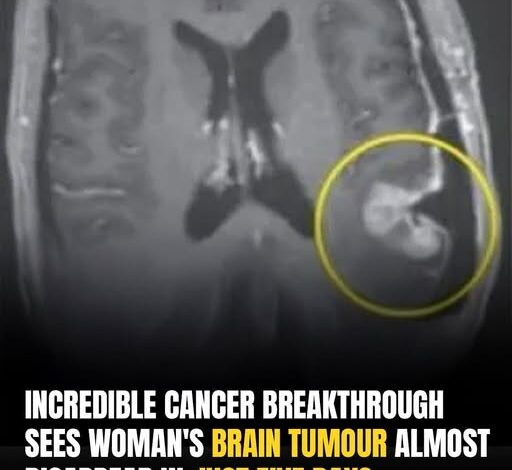
In March 2024, researchers at Mass General Brigham explored a new twist on CAR-T cell therapy while treating three patients with recurrent glioblastoma—one of the most aggressive and difficult-to-treat forms of brain cancer. Rather than following traditional CAR-T protocols, the team combined engineered immune cells with specialized antibodies designed to help the treatment recognize tumor cells more precisely.
The therapy was delivered directly into the cerebrospinal fluid surrounding the brain and spinal cord. This method allowed the modified immune cells to reach the tumor more effectively and interact with cancer cells in their immediate environment.
The results surprised even the researchers. In one patient, the tumor shrank by about 18.5% within just two days and continued to decrease, eventually shrinking by more than 60% over a period of ten weeks. Another patient experienced a rapid reduction in tumor size, while the third showed clear changes on MRI scans within five days of treatment.
Although the findings come from a very small group of patients and cannot yet be considered a cure, they represent an encouraging step forward. Glioblastoma has long been associated with extremely limited treatment options and poor outcomes. This early trial offers a glimpse of a new possibility: that the disease may finally have vulnerabilities that innovative therapies can exploit.