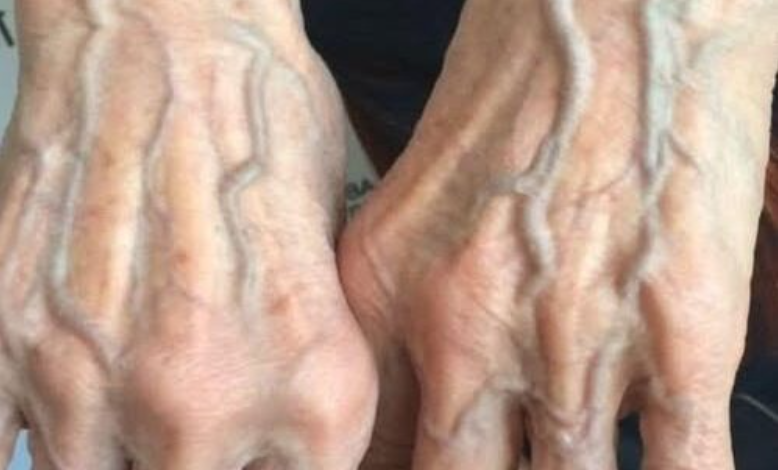
The human circulatory system is a complex, high-pressure network that delivers oxygen and nutrients to every organ and tissue. Most of the time, the veins beneath our skin go unnoticed—until they suddenly appear more pronounced or numerous. Seeing veins stand out on the hands, arms, legs, or chest can be surprising, raising questions about circulatory health. While this increased visibility is often harmless—linked to lifestyle, genetics, or aging—understanding vascular patterns can help differentiate normal changes from potential warning signs.
Veins are normally hidden beneath the skin due to skin thickness, elasticity, and a layer of subcutaneous fat. When any of these factors change, veins can move closer to the surface. One common reason for heightened vascularity is fat loss. Weight reduction or intense physical training reduces the layer of fat between muscle and skin, making veins more visible.
Exercise also plays a significant role. During workouts, particularly resistance training or high-intensity intervals, the body requires more oxygenated blood, causing veins to expand as they return blood to the heart. Over time, regular training increases muscle mass, which pushes veins closer to the skin. This explains why athletes often have noticeable veins even at rest: their bodies have adapted to higher blood flow and larger muscles.
Environmental conditions can further influence vein visibility. In hot weather, the body dilates surface blood vessels to release heat, making veins appear larger. Similarly, hot showers can temporarily increase vein prominence. These responses are normal and healthy but may catch people by surprise.
Aging is another key factor. As skin loses collagen and elastin, it thins, revealing veins more clearly. Vein valves—which prevent blood from flowing backward—can weaken over time, allowing blood to pool and veins to bulge. While often a cosmetic issue, this contributes to more visible veins in older adults.
Hormonal changes can also temporarily affect vein appearance. Women may notice increased vein visibility during pregnancy, menopause, or hormone therapy. Pregnancy raises blood volume by up to 50%, putting extra pressure on veins and making them more noticeable in areas such as the legs, chest, and breasts. Hormonal fluctuations can also impact vessel elasticity.
Although most vein changes are normal, certain signs warrant medical attention. Sudden vein prominence accompanied by pain, swelling, or heaviness may indicate venous insufficiency or deep vein thrombosis (DVT). Twisted, rope-like, dark veins—varicose veins—point to malfunctioning valves.
More urgent symptoms include redness, warmth, or sudden swelling in one limb, which may signal a blood clot. Additionally, new “spider” veins on the chest or face could reflect internal pressure issues or, in some cases, liver problems.
Supporting vascular health involves proactive measures. Regular movement promotes blood flow, with calf muscles acting as a “second heart” to push blood upward. Staying hydrated prevents blood from thickening, and compression garments can help circulation during long periods of sitting or standing.
In most cases, new or more prominent veins are a natural indication of an active, aging, or environmentally influenced body—a visible reminder of the circulatory system’s constant work. By observing the context of vein changes, particularly when accompanied by discomfort or inflammation, you can help ensure your vascular system remains healthy and resilient.